
.jpg&w=3840&q=75)
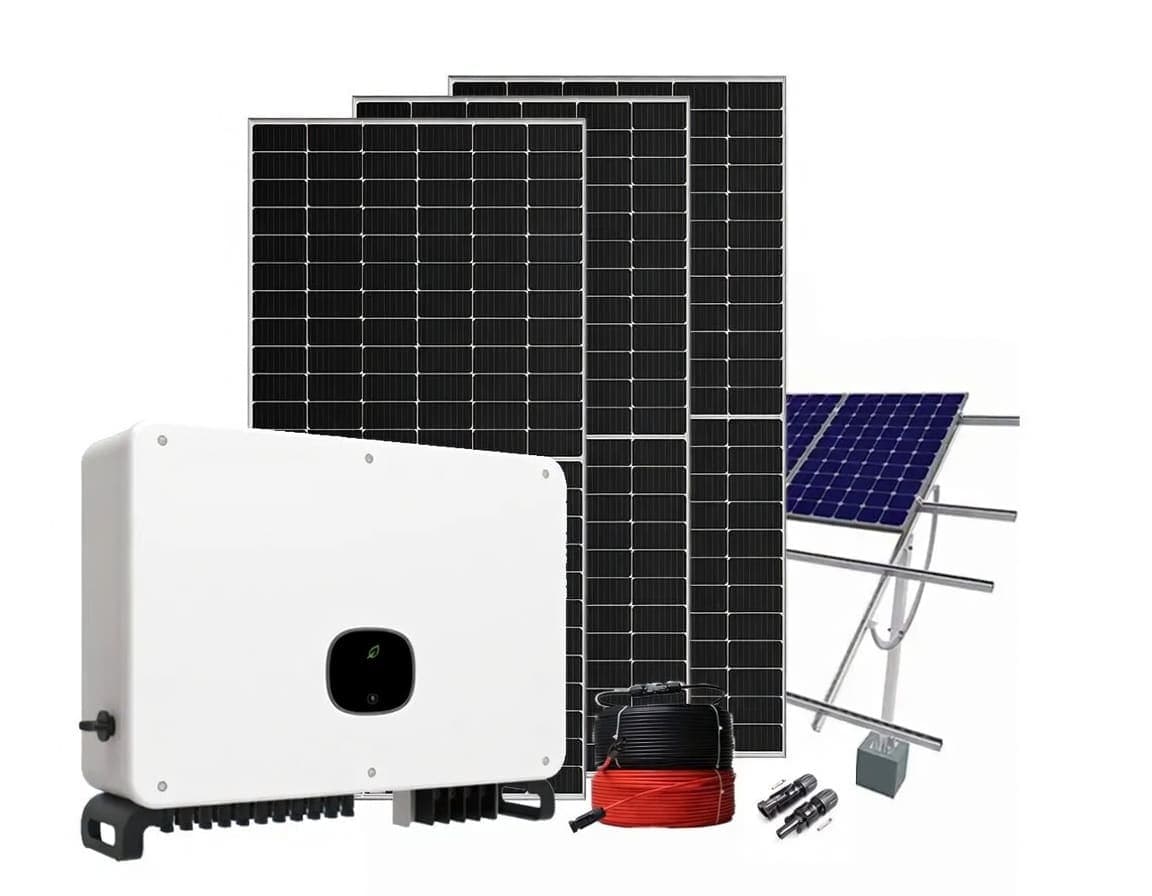
Solar for everyone: Pay Small Small
Don't let the cost stop you. Get this system installed today and pay in easy monthly installments over 6-24 months.
View Financing PlansAs your sure plug for reliable solar product supplier and installation, we at Rayspark Solar provides top-tier products to meet everyone's budget and exact needs. Call/WhatsApp: +234 706 482 6896
When it comes to finding the best inverter in Nigeria, the top choices include pure sine wave inverters from reputable brands like Luminous, Felicity, Mercury, and Sukam. The ideal choice depends heavily on your specific power requirements, ranging from small 1kVA setups designed for basic home appliances to robust 10kVA systems built to power entire offices, clinics, and heavy machinery seamlessly.




Our Team
Why You Need a Quality Inverter in Nigeria
Nigeria's power situation makes having a reliable backup power source not just a luxury, but an absolute necessity. A good inverter system ensures that your daily activities, whether relaxing at home or working diligently in the workplace, continue uninterrupted during frequent national grid power outages. Investing in the best inverter in Nigeria means you are prioritizing the longevity, efficiency, and safety of your valuable electrical appliances. Relying on noisy, polluting fuel generators is becoming increasingly expensive and unsustainable.
The Role of Pure Sine Wave Technology
When shopping for an inverter, you will frequently encounter the term "pure sine wave." Unlike modified sine wave inverters, pure sine wave models produce exceptionally clean energy that closely mimics the power supplied by the national grid. This clean output is crucial for sensitive electronics such as laptop computers, smart televisions, medical equipment, and modern refrigerators. Using a pure sine wave inverter prevents the annoying humming noise often heard in fans and fluorescent lights, and significantly extends the lifespan of your devices.
Top Inverter Brands in Nigeria
Choosing the right brand is the foundational step toward securing the best inverter in Nigeria. Here is an in-depth breakdown of the leading brands available in the market today, helping you make an educated choice.
1. Luminous Inverters
Luminous is arguably a household name in Nigeria, globally recognized for its ruggedness, longevity, and durability under tough electrical conditions. They offer a comprehensive range of capacities suitable for entirely different consumer needs.
Pros:
- Highly durable and specifically built to withstand severe voltage fluctuations.
- Excellent after-sales support and widespread availability of replacement parts.
- Advanced internal battery management system that optimizes and extends battery life.
Cons:
- Slightly more expensive than some entry-level generic brands.
- Heavy and bulky physical designs, especially in the higher capacity models.
2. Felicity Solar Inverters
Felicity inverters have gained massive popularity, particularly for their seamless integration with solar panel arrays. They are robust, technologically advanced, and highly efficient for users looking to transition to fully off-grid or hybrid solar solutions.
Pros:
- Built-in MPPT (Maximum Power Point Tracking) charge controllers in many premium models.
- Very high conversion efficiency and fast battery charging capabilities.
- User-friendly digital LCD screens for real-time monitoring of system performance.
Cons:
- Premium pricing reflects the advanced hybrid technology.
- Requires expert professional installation for optimal solar panel integration.
3. Mercury Inverters
Mercury offers some of the most budget-friendly yet dependably reliable inverters in Nigeria. They are perfectly tailored for small to medium-sized households looking for a cost-effective transition to backup power.
Pros:
- Very affordable and highly cost-effective for budget-conscious buyers.
- Compact, sleek, and lightweight physical footprints.
- Good standard overload, overcharge, and short-circuit protection features.
Cons:
- May not be suitable for continuous heavy-duty industrial or commercial use.
- Shorter warranty periods compared to their premium-tier competitors.
How to Choose the Best Inverter for Your Needs
Selecting the perfect inverter requires a precise understanding of your specific power needs. Here is a detailed step-by-step guide to help you make a highly informed purchasing decision.
Calculate Your Total Electrical Load
The first and most critical step is to calculate the total wattage of all the appliances you intend to power simultaneously. For example, if you plan to run two ceiling fans (150W total), an LED television (100W), a laptop (50W), and a few LED bulbs (50W), your total continuous load is 350W. It is strongly recommended to choose an inverter with a capacity at least twenty to thirty percent higher than your calculated total load. This buffer accounts for the initial power surges (starting watts) when appliances like refrigerators or water pumps are turned on.
Determine the Required Battery Capacity
An inverter is only the brain of the operation; it needs batteries to actually store the power. The battery capacity, measured in Ampere-hours (Ah), dictates exactly how long your appliances will run during a grid outage. For a typical Nigerian home setup, combinations of 12V 200Ah batteries are standard. You must also decide between deep-cycle tubular batteries, which require occasional maintenance, and modern lithium-ion batteries, which are maintenance-free and last much longer. You can learn more about sizing your complete system by visiting our calculator page.
Consider Complete Solar Integration
If you plan to charge your batteries using the sun rather than relying solely on erratic grid power, ensure you select a solar-compatible hybrid inverter. This dramatically reduces your reliance on the national grid and completely eliminates generator fuel costs. Check out our various comprehensively designed packages to see pre-configured solar solutions tailored specifically for your energy consumption profile.
Average Prices of Inverters in Nigeria
While market prices naturally fluctuate based on the exchange rate and global supply chain conditions, here is a general estimate of what you can currently expect to pay for different inverter capacities in the Nigerian market:
- 1kVA to 1.5kVA Inverters: Perfect for basic home setups covering a TV, fans, and lighting. Prices typically range from NGN 150,000 to NGN 250,000.
- 2.5kVA to 3.5kVA Inverters: Highly suitable for average homes running deep freezers, multiple fans, TVs, and standard appliances. Prices generally range from NGN 300,000 to NGN 600,000.
- 5kVA and Above: Specifically designed for large homes, corporate offices, and heavy inductive loads like air conditioners and water pumping machines. Prices start from NGN 800,000 and can easily go upwards of NGN 2,000,000 depending on the exact brand, technology, and specifications.
Vital Installation and Maintenance Tips
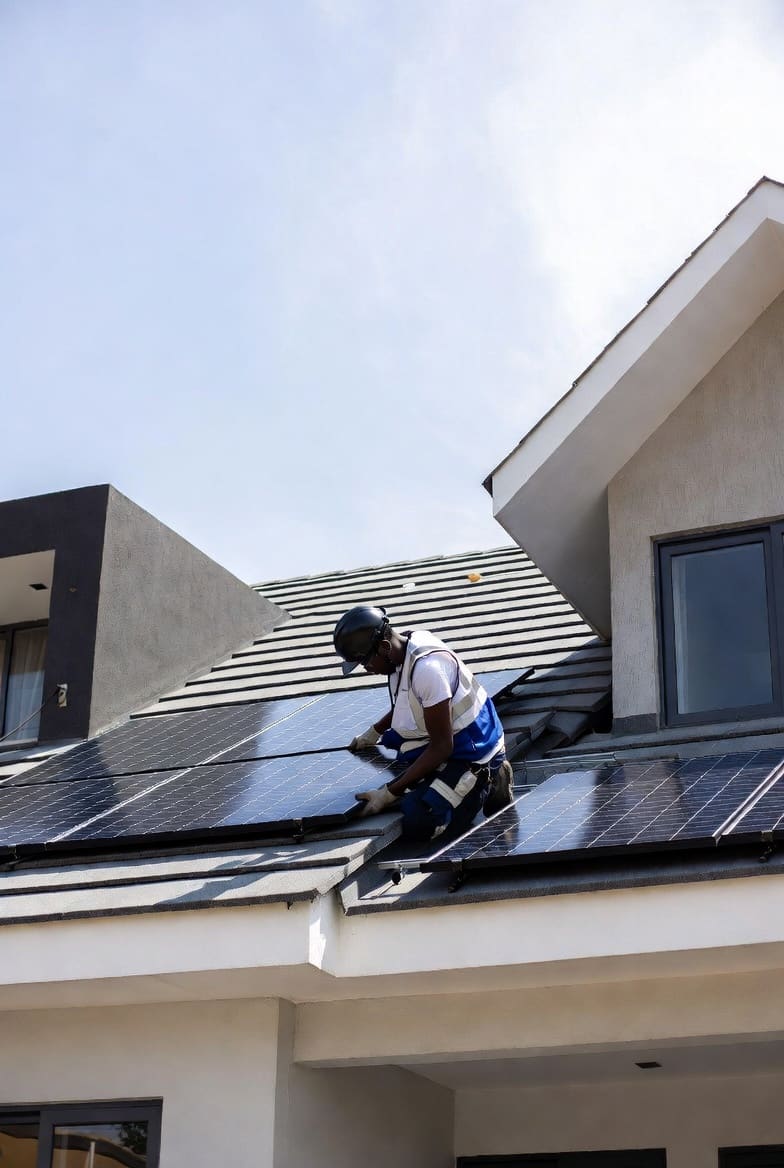
Buying the best inverter in Nigeria is only half the journey; proper professional installation and consistent maintenance are equally critical to system longevity.
- Hire Certified Professionals: Always use certified solar technicians for your installation. Incorrect wiring can lead to severe equipment damage, inefficient charging, or catastrophic fire hazards.
- Proper Ventilation: Always place your inverter and battery bank in a cool, dry, and well-ventilated area to prevent dangerous overheating during intensive charging cycles.
- Regular Routine Checks: If you utilize traditional tubular or flooded lead-acid batteries, regularly check and top up the distilled water levels. For maintenance-free lithium batteries, ensure the terminal connections remain completely clean, tight, and free of corrosion.
Frequently Asked Questions
What is the absolute best inverter brand in Nigeria?
There is no single objective "best" brand, as the right choice heavily depends on your specific budget, power load, and usage scenario. However, brands like Luminous, Felicity, and Mercury are consistently highly rated by consumers and installers for their durability, conversion efficiency, and overall value for money.
Can an inverter effectively carry a refrigerator or air conditioner?
Yes, absolutely. However, you need an inverter with a sufficiently high capacity (typically a minimum of 3kVA for standard fridges, and 5kVA or higher for air conditioners) coupled with a substantial and robust battery bank to handle the massive starting surge and continuous running power these heavy appliances demand.
How long do inverter batteries typically last?
Standard deep-cycle tubular batteries generally last between three to five years with diligent maintenance. Conversely, high-quality lithium iron phosphate (LiFePO4) batteries can comfortably last up to ten years or more with proper usage, making them a better long-term investment despite the higher initial cost.
Is a hybrid inverter better than a normal standard inverter?
A hybrid inverter is significantly better if you plan to use solar panels either now or in the future. It contains a built-in MPPT charge controller, which effectively saves you the additional cost, wiring complexity, and wall space of purchasing and installing a separate standalone charge controller unit.
Conclusion
Finding the best inverter in Nigeria requires careful, educated consideration of your daily power needs, financial budget, and the long-term reputation of the manufacturer. Whether you are aiming to power a compact urban apartment or a sprawling large corporate office, investing in a high-quality, pure sine wave inverter system will ultimately save you millions of Naira on generator fuel and provide the absolute peace of mind that comes with an uninterrupted power supply.
Do not let unpredictable power outages continuously disrupt your daily life, comfort, or business operations anymore. Take the definitive first step towards total energy independence today.
Contact us now to buy from the Rayspark Solar store. Call or WhatsApp: +234 706 482 6896.