.jpg&w=3840&q=75)
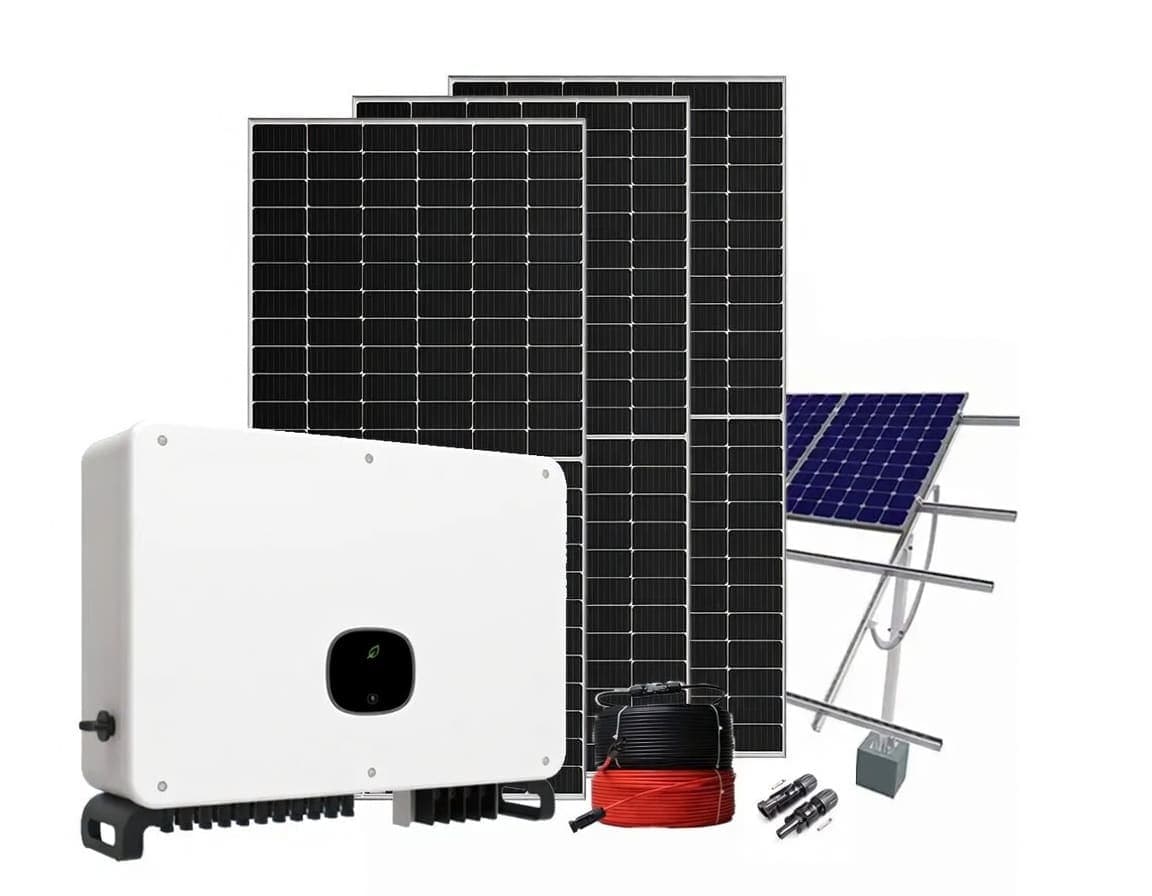
Solar for everyone: Pay Small Small
Don't let the cost stop you. Get this system installed today and pay in easy monthly installments over 6-24 months.
View Financing PlansAs your sure plug for reliable solar product supplier and installation, we at Rayspark Solar provides top-tier products to meet everyone's budget and exact needs. Call/WhatsApp: +234 706 482 6896
The best solar loans in Nigeria are typically offered by specialized solar financing companies and commercial banks that provide low-interest, flexible repayment plans for residential and commercial solar installations, allowing you to pay over 12 to 36 months with minimal upfront deposits.




Our Team
Why You Need a Solar Loan in Nigeria
Transitioning to renewable energy is no longer a luxury but a necessity for businesses and households in Nigeria. However, the initial capital required for purchasing solar panels, inverters, and high-capacity batteries can be substantial. This is where a solar loan becomes incredibly beneficial. A solar loan allows you to acquire and install a complete solar power system while spreading the payment over a convenient period. This approach ensures that you start enjoying uninterrupted power supply immediately without draining your savings.
Securing the best solar loan in Nigeria means finding a financing option that offers competitive interest rates, flexible repayment tenors, and straightforward eligibility criteria. With the right financing, the monthly cost of your solar loan can be significantly lower than what you currently spend on running diesel or petrol generators, making it a highly cost-effective long-term investment.
Types of Solar Financing Available
Understanding the various types of financing models will help you choose the best solar loan in Nigeria tailored to your specific needs.
1. Bank Loans and Green Financing
Several commercial and microfinance banks in Nigeria have introduced specialized green energy loans. These loans are designed explicitly for the purchase of renewable energy products. They often come with slightly lower interest rates compared to standard personal loans. The repayment period usually ranges from one to three years.
2. Lease-to-Own Models
Many solar companies partner with financing institutions to offer lease-to-own packages. Under this model, the solar company installs the system at your premises after you make a down payment (usually between 20% and 40% of the total cost). You then pay the balance in monthly installments. Ownership of the system transfers to you completely once the final payment is made.
3. Energy-as-a-Service (EaaS)
While not a traditional loan, Energy-as-a-Service is gaining popularity. In this arrangement, the solar provider installs, maintains, and owns the equipment. You simply pay a fixed monthly fee or pay for the power generated. This eliminates upfront costs and maintenance responsibilities.
Key Requirements for Getting a Solar Loan
To qualify for the best solar loan in Nigeria, financial institutions and solar companies require specific documentation to assess your creditworthiness. While exact requirements vary by provider, the following are standard prerequisites:
For Individuals
- Proof of Income: Recent payslips or bank statements from the last three to six months demonstrating a steady income.
- Valid Identification: A government-issued ID card, such as a National Identity Card, Driver's License, or International Passport.
- Utility Bill: A recent utility bill to serve as proof of address.
- Guarantor: Some financiers may require a guarantor who meets specific income criteria.
- Credit Check: A clean credit history with no outstanding, unserviced debts.
For Businesses
- Business Registration Documents: Certificate of Incorporation and other relevant CAC documents.
- Bank Statements: Corporate bank statements showing consistent cash flow.
- Tax Clearance: Evidence of tax compliance.
- Audited Financial Statements: For larger loan amounts, audited accounts may be requested.
Pros and Cons of Taking a Solar Loan
Before committing to a financing plan, it is essential to weigh the advantages and potential drawbacks.
Pros
- Immediate Access to Power: You can install the solar system and start enjoying reliable electricity right away without waiting to save the full amount.
- Cost Savings: The monthly loan repayment is often lower than the cumulative monthly cost of generator fuel and maintenance.
- Hedge Against Inflation: Locking in the cost of your solar system protects you from future price increases of solar equipment and fossil fuels.
- Flexible Repayment: Most loans offer flexible tenors ranging from 12 to 36 months.
Cons
- Interest Rates: Taking a loan means you will ultimately pay more than the outright purchase price due to the accumulated interest.
- Default Penalties: Failure to meet monthly repayment obligations can result in system deactivation or repossession of the equipment.
- Strict Eligibility: Not everyone will meet the credit or income requirements set by the financiers.
How to Choose the Right Solar Financing Partner
When searching for the best solar loan in Nigeria, consider the following factors to ensure you make a sound financial decision:
Compare Interest Rates
Do not settle for the first offer you receive. Compare the interest rates and the Annual Percentage Rate from multiple banks and solar companies. Even a slight difference in interest rates can significantly impact the total amount you repay over the loan tenor.
Examine the Repayment Terms
Look for flexible repayment terms that align with your cash flow. Determine whether there are penalties for early repayment if you decide to clear the loan before the tenor expires.
Assess the Equipment Quality and Warranty
Ensure that the solar loan covers high-quality equipment. A loan is a long-term commitment, and the system should have a lifespan that far exceeds the loan repayment period. Verify the warranties provided for the solar panels, inverters, and batteries.
Check Customer Support and Maintenance Policies
Select a partner that offers comprehensive after-sales support. Regular maintenance is crucial for the optimal performance of a solar system. Clarify whether maintenance is included in the loan package or if it incurs an additional cost.
Frequently Asked Questions
What is the maximum amount I can get for a solar loan?
The maximum amount depends on the financial institution and your repayment capacity. Some banks offer up to 10 million Naira for individuals and significantly more for registered businesses.
Do I need to pay a deposit?
Yes, most lease-to-own models and specialized solar loans require a down payment ranging from 20% to 40% of the total system cost.
What happens if the solar system develops a fault while I am still repaying the loan?
This depends on the agreement. Reputable solar companies include warranties and maintenance plans that cover equipment failure during the loan period, provided the fault is not due to user negligence.
Can I upgrade my system before the loan is fully paid?
System upgrades during an active loan are usually possible but will require renegotiating the terms of the loan and your monthly repayment amount.
Are there hidden charges with solar loans?
Always read the terms and conditions carefully. Ask about administrative fees, processing fees, and insurance costs, which may not be explicitly advertised.
Start Your Solar Journey Today
Investing in a solar power system is a smart decision that guarantees energy independence and significant long-term savings. By taking advantage of the best solar loan in Nigeria, you can overcome the hurdle of initial costs and transition to clean energy seamlessly.
Ready to make the switch? As your sure plug for reliable solar product supplier and installation, we at Rayspark Solar provides top-tier products to meet everyone's budget and exact needs. Contact us today to discuss your energy requirements and explore our flexible payment options.
Call/WhatsApp: +234 706 482 6896