.jpg&w=3840&q=75)
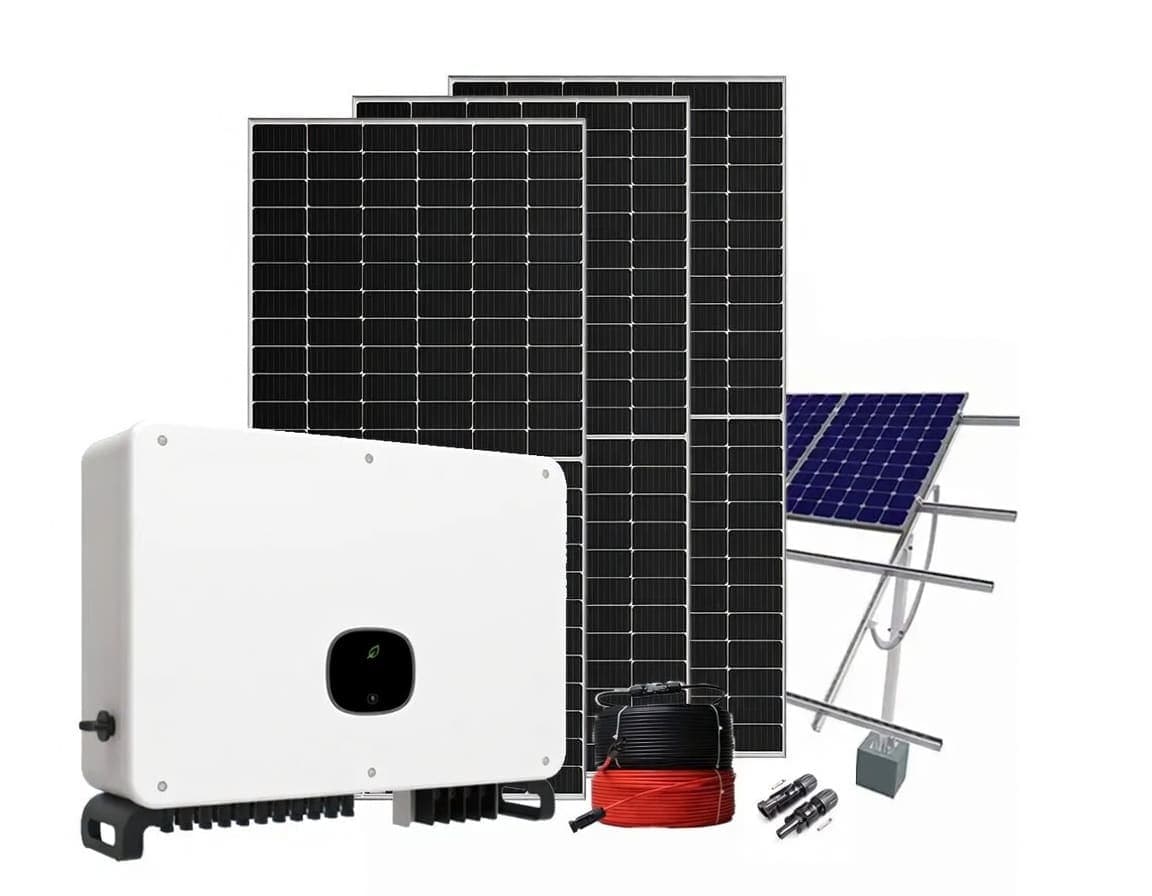
Solar for everyone: Pay Small Small
Don't let the cost stop you. Get this system installed today and pay in easy monthly installments over 6-24 months.
View Financing PlansAs your sure plug for reliable solar product supplier and installation, we at Rayspark Solar provides top-tier products to meet everyone's budget and exact needs. Call/WhatsApp: +234 706 482 6896
To buy an inverter on a buy now pay later basis in Nigeria, you typically need to provide proof of identity, proof of steady income, and a utility bill. Many financing companies require a down payment ranging from ten percent to thirty percent of the total cost, followed by monthly installments spread over three to twelve months. Approval usually takes a few days after submitting your application and meeting the credit requirements.




Our Team
The Growing Need for Alternative Power in Nigeria
Nigeria's power sector has long struggled to provide a consistent and reliable electricity supply to its vast population and growing businesses. Frequent power outages and grid collapses have forced individuals and corporations to seek alternative energy solutions. Historically, petrol and diesel generators were the go-to backup power sources. However, the rising costs of fuel, coupled with the environmental impact and noise pollution, have made generators increasingly unsustainable for daily use.
Inverters and solar power systems have emerged as the most viable and sustainable alternatives. They offer quiet operation, no recurring fuel costs, and are environmentally friendly. Despite these advantages, the initial upfront cost of acquiring a quality inverter system can be quite high, posing a significant barrier for many average-income earners and small businesses. This financial hurdle is where "Buy Now Pay Later" (BNPL) schemes come into play, bridging the gap between the desire for clean energy and the financial capacity to acquire it.
How Buy Now Pay Later Works for Inverters
The concept of Buy Now Pay Later is relatively straightforward. It is a financing arrangement that allows consumers to purchase an item immediately and pay for it over a specified period. When applied to solar inverters, this scheme enables you to get the power system installed in your home or office right away while you spread the payments over several months.
The Application Process
-
Selecting the Right System: The first step is to determine your energy needs. You must calculate the total wattage of the appliances you intend to power to select an inverter with the appropriate capacity. Whether you need a small setup for basic lighting and a laptop or a robust system to power air conditioners and heavy machinery, selecting the right size is crucial.
-
Finding a Provider: Not all solar companies offer BNPL options. You need to identify reputable solar providers or financing institutions that specialize in these plans. Rayspark Solar is positioned to assist you in navigating your options to find a suitable setup.
-
Submitting Documentation: Once you have chosen a system and a provider, you will need to submit an application. The required documents usually include a valid government-issued ID card (such as a Driver's License, National ID, or International Passport), proof of address (like a recent electricity or water bill), and proof of income (recent bank statements or pay slips).
-
Credit Assessment: The financing company will review your application to assess your creditworthiness. They need to ensure that you have a steady stream of income to meet the monthly repayment obligations.
-
Approval and Down Payment: If your application is approved, you will typically be required to make an initial deposit. This down payment usually ranges between ten and thirty percent of the total system cost.
-
Installation: After the down payment is confirmed, the solar company will schedule and execute the installation of your inverter system.
-
Monthly Repayments: You will then make regular monthly payments over the agreed-upon tenor, which usually ranges from three to twelve months, until the full amount is paid off.
Pros and Cons of Buy Now Pay Later Inverters
Before committing to a BNPL plan, it is essential to weigh the advantages and disadvantages to make an informed decision.
Advantages
- Immediate Access to Power: The most significant benefit is that you do not have to wait until you have saved the entire amount. You get immediate relief from power outages.
- Cash Flow Management: Spreading the cost over several months helps you manage your finances better. You can allocate your funds to other pressing needs or investments instead of tying up a large sum of capital at once.
- Protection Against Inflation: In an economy with fluctuating prices, buying an inverter now locks in the current price, protecting you from potential future price hikes.
- Savings on Fuel: The money you would have spent daily on fueling and maintaining a generator can be channeled toward your monthly inverter repayments. In many cases, the monthly installment is less than the monthly expenditure on generator fuel.
Disadvantages
- Higher Total Cost: Items purchased through financing plans generally cost more in the long run than items bought outright with cash. The financing company adds a margin or interest rate to cover the cost of providing the credit.
- Risk of Debt: If your financial situation changes unexpectedly and you are unable to keep up with the monthly payments, you risk falling into debt.
- Repossession: Failure to meet your repayment obligations can lead to the financing company reclaiming the inverter system.
- Strict Requirements: Not everyone qualifies for these plans. You must meet the stringent criteria set by the financiers, particularly regarding a verifiable steady income.
Choosing the Right Inverter for Your Needs
When planning to utilize a buy now pay later scheme, ensuring you pick the correct inverter is vital. Here are the main types to consider:
Pure Sine Wave Inverters
These are the most advanced and efficient type of inverters. They produce power that is identical to, or even better than, the power supplied by the national grid. Pure sine wave inverters are ideal for running sensitive electronics like medical equipment, modern televisions, refrigerators, and variable speed motors. While they are more expensive upfront, they ensure the longevity of your appliances.
Modified Sine Wave Inverters
These inverters produce a waveform that is a step-like approximation of a pure sine wave. They are generally more affordable but may cause some appliances to run less efficiently or generate a humming noise. They are suitable for simple electronics like incandescent lights and non-sensitive devices. However, they are not recommended for appliances with AC motors or delicate medical equipment.
Installation and Maintenance Considerations
Acquiring the inverter is only half the journey. Proper installation and maintenance are essential for the system's longevity.
- Professional Installation: Always ensure that your inverter system is installed by certified professionals. Incorrect wiring can lead to system failure, damage to your appliances, or even fire hazards.
- Battery Care: The batteries are the most critical component of your setup. If you are using lead-acid batteries, they require regular maintenance, including checking water levels. Lithium-ion batteries, while more expensive, require less maintenance and have a longer lifespan.
- Ventilation: Inverters and batteries generate heat during operation. Ensure they are installed in a well-ventilated area away from direct sunlight and moisture.
Frequently Asked Questions (FAQs)
What documents do I need to apply for a Buy Now Pay Later inverter?
You will typically need a valid government ID, proof of residence (such as a utility bill), and proof of steady income (like bank statements from the last three to six months or employment letters).
How long does the approval process take?
The approval process varies by provider but usually takes anywhere from twenty-four to seventy-two hours after all required documents have been submitted.
Do I have to pay a deposit?
Yes, most financing companies require an initial down payment, which is usually between ten percent and thirty percent of the total cost of the inverter system.
What happens if I miss a monthly payment?
Missing a payment may attract late fees or penalties. Consistently missing payments can lead to the repossession of the inverter system and negatively impact your credit score.
Can I upgrade my system while still paying for it?
This depends on the specific terms of the financing provider. Some may allow you to upgrade and restructure your payment plan, while others require you to complete the current payments first.
Start Enjoying Uninterrupted Power Today
Investing in an inverter system is a smart move for ensuring productivity and comfort in Nigeria. While the initial cost can be daunting, flexible payment plans make it achievable.
As your sure plug for reliable solar product supplier and installation, we at Rayspark Solar provides top-tier products to meet everyone's budget and exact needs. Call/WhatsApp: +234 706 482 6896 to discuss your power requirements and explore how you can benefit from our high-quality solar and inverter solutions today.