.jpg&w=3840&q=75)
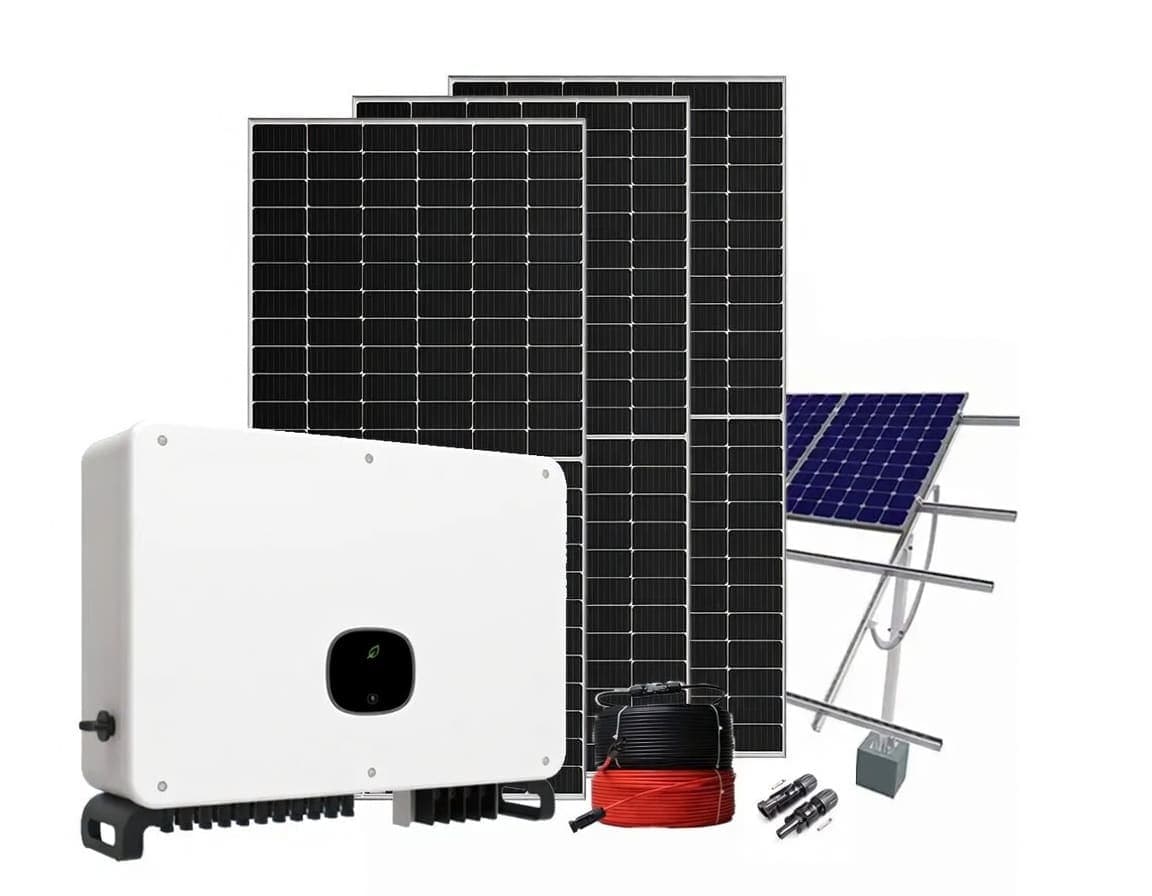
Solar for everyone: Pay Small Small
Don't let the cost stop you. Get this system installed today and pay in easy monthly installments over 6-24 months.
View Financing PlansAs your sure plug for reliable solar product supplier and installation, we at Rayspark Solar provides top-tier products to meet everyone's budget and exact needs. Call/WhatsApp: +234 706 482 6896
The cost to power a 3-bedroom house in Nigeria typically ranges from ₦1,500,000 to ₦5,000,000, depending on your energy consumption, the quality of the solar components, and the size of the battery backup system. A basic setup covering lighting and essential appliances falls on the lower end, while a comprehensive system capable of running air conditioners and heavy equipment will require a larger investment.

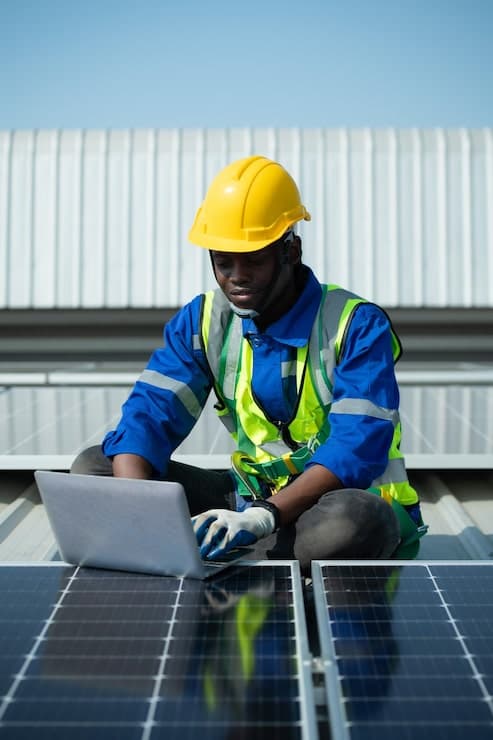
Our Team
Understanding Your Energy Needs
Before determining the exact cost, it is crucial to understand the power requirements of a standard 3-bedroom house. The total load capacity dictates the size of the inverter, the number of solar panels, and the battery storage required.
Typical Appliances in a 3-Bedroom House
A standard household in Nigeria usually operates the following appliances:
- Lighting (LED bulbs)
- Televisions and decoders
- Fans (ceiling or standing)
- Refrigerators and deep freezers
- Laptops and mobile device chargers
- Water pumping machine
- Air conditioning units
To accurately estimate your costs, you should calculate your total daily wattage. Using our solar calculator can help you find the exact system size needed for your specific usage patterns.
Breakdown of the Solar System Components
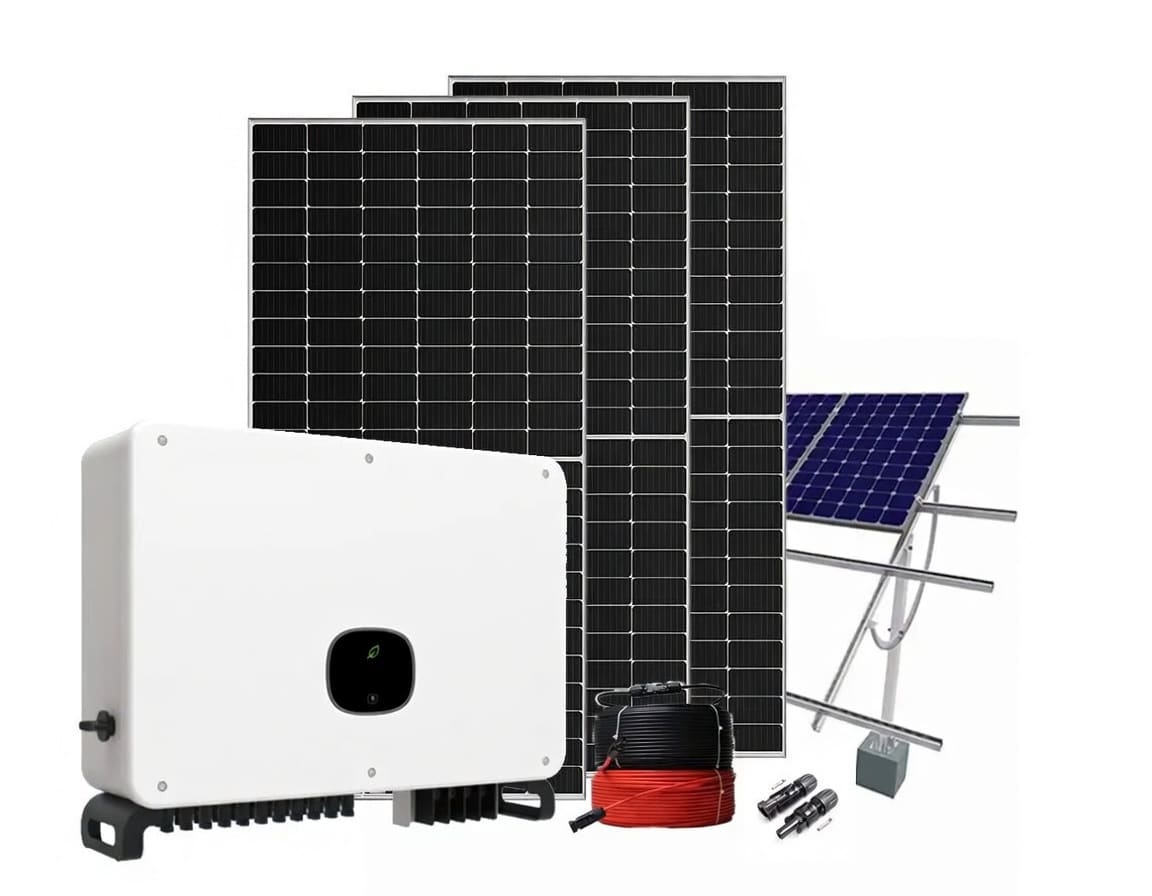
A complete solar power system consists of four main components. The quality and capacity of each part significantly influence the overall cost.
1. Solar Panels
Solar panels are responsible for capturing sunlight and converting it into electricity. For a 3-bedroom house, you will generally need between 4 to 12 panels, depending on their wattage (usually ranging from 300W to 550W per panel). High-efficiency monocrystalline panels cost more but provide better performance in limited space.
2. The Inverter
The inverter converts the direct current (DC) generated by the panels into alternating current (AC) used by your home appliances. A 3-bedroom house typically requires an inverter capacity between 3kVA and 5kVA. Hybrid inverters, which seamlessly integrate solar, battery, and grid power, are highly recommended for their efficiency.
3. Battery Storage
Batteries store excess power generated during the day for use at night or during power outages. This is often the most expensive component. You can choose between:
- Tubular Batteries: Affordable and durable but require maintenance.
- Lithium-Ion Batteries: More expensive upfront but offer a longer lifespan, deeper discharge cycles, and require zero maintenance.
4. Installation and Accessories
Do not overlook the cost of installation materials such as mounting racks, cables, circuit breakers, and the professional installation fee. Proper installation ensures safety and longevity.
Estimated Cost Tiers for a 3-Bedroom House
Here is a breakdown of the estimated costs based on different usage requirements.
The Basic Setup (Budget-Friendly)
This setup is designed to power essential appliances only. It is ideal for households with minimal power needs.
- Capacity: 3kVA Inverter, 2 to 4 Tubular Batteries, 4 Solar Panels.
- Powers: Lights, fans, TV, and basic electronics. No heavy appliances like ACs or freezers.
- Estimated Cost: ₦1,500,000 to ₦2,000,000.
The Standard Setup (Most Popular)
This is the most common choice for a 3-bedroom house, offering a balance between cost and comfort.
- Capacity: 5kVA Inverter, 4 Tubular or 1 Lithium-Ion Battery, 6 to 8 Solar Panels.
- Powers: All basic appliances plus a refrigerator, freezer, and a water pump.
- Estimated Cost: ₦2,500,000 to ₦3,500,000.
The Premium Setup (Heavy Duty)
For households that want to run air conditioners and heavy equipment seamlessly.
- Capacity: 5kVA to 10kVA Inverter, 2 or more Lithium-Ion Batteries, 8 to 12 Solar Panels.
- Powers: All household appliances including 1 or 2 energy-efficient ACs.
- Estimated Cost: ₦4,000,000 to ₦5,500,000.
For tailored packages, check out our solar packages to find the perfect fit for your home.
Pros and Cons of Solar Power for Your Home
Investing in solar energy comes with significant benefits, but it is important to consider all aspects.
Pros
- Significant reduction in monthly electricity bills and fuel costs for generators.
- Clean, quiet, and eco-friendly power generation.
- Reliable electricity supply, eliminating the frustration of frequent power outages.
- Low maintenance costs over the system's lifespan.
Cons
- High initial installation cost.
- Battery replacement costs every few years (especially for lead-acid or tubular batteries).
- Weather dependence, as generation drops during heavy rainfall or prolonged cloudy days.
Maintenance Requirements for Solar Systems
One of the most appealing aspects of solar power systems is their low maintenance requirement. Unlike diesel or petrol generators that require regular servicing, oil changes, and parts replacement, solar systems operate silently with minimal moving parts.
Panel Maintenance
Solar panels simply need to be kept clean to maintain optimal efficiency. Dust, bird droppings, and debris can block sunlight and reduce power generation. It is recommended to clean your panels every few months, especially during the dry season, using water and a soft cloth.
Inverter and Battery Maintenance
The inverter requires little to no maintenance, provided it is installed in a cool, dry, and well-ventilated area to prevent overheating. Battery maintenance depends on the type you choose. Tubular batteries require occasional topping up with distilled water every few months. In contrast, lithium-ion batteries are entirely maintenance-free, offering a "plug-and-play" experience.
Comparing Solar Power to Traditional Generators
Many homeowners in Nigeria rely on generators, but the shift towards solar is accelerating. Here is why:
Running Costs
Generators require constant fuel, the price of which has seen significant fluctuations and increases. Over a year, the cost of fueling and servicing a generator can easily exceed hundreds of thousands of Naira. Solar systems, relying on free sunlight, have virtually zero running costs.
Noise and Pollution
Generators are notorious for noise pollution and harmful exhaust emissions, which pose health risks and disturb the peace of your neighborhood. Solar setups পণ্ডিত clean, completely silent energy, creating a more comfortable living environment.
Convenience
With a properly sized solar system, transitions during power grid outages are instantaneous and seamless. You do not need to step outside in the dark or rain to pull-start a machine or switch over a manual changeover switch.
How to Choose the Right System
Choosing the correct solar setup involves assessing your current electricity consumption, prioritizing which appliances need constant power, and determining your budget. It is highly advisable to consult with experts who can conduct a proper load assessment.
Tip for Saving Costs
Invest in energy-efficient appliances. Replacing traditional incandescent bulbs with LED lights and using inverter-technology refrigerators and ACs will drastically reduce your overall power consumption, allowing you to opt for a smaller, more affordable solar system.
Conclusion
Transitioning to solar power is a smart, long-term investment that brings convenience and peace of mind. While the upfront cost may seem substantial, the savings on fuel and electricity bills make it highly worthwhile. If you are ready to make the switch, ensure you work with reputable professionals for quality products and excellent installation services.
Frequently Asked Questions
Can a 5kVA inverter carry an air conditioner?
Yes, a 5kVA inverter can carry an inverter-technology air conditioner (usually 1HP or 1.5HP), provided the battery bank is sufficiently sized. However, running an AC will drain the batteries faster.
How long do solar batteries last?
Tubular batteries typically last between 3 to 5 years with proper maintenance. Lithium-ion batteries can last between 10 to 15 years, making them a more cost-effective choice in the long run.
Is it cheaper to buy a generator or solar system?
A generator has a lower initial cost but high running costs due to continuous fuel purchases and frequent maintenance. A solar system has a higher initial cost but almost zero daily running costs, making it significantly cheaper over a period of 2 to 3 years.
Can I upgrade my system later?
Absolutely. You can start with a basic setup and add more solar panels or batteries later as your power needs increase or your budget allows.
Ready to power your 3-bedroom house with reliable solar energy? Stop worrying about power outages and start enjoying uninterrupted electricity today. Call or WhatsApp Rayspark Solar at +234 706 482 6896 to get a customized quote and buy directly from our store!