.jpg&w=3840&q=75)

Solar for everyone: Pay Small Small
Don't let the cost stop you. Get this system installed today and pay in easy monthly installments over 6-24 months.
View Financing PlansAs your sure plug for reliable solar product supplier and installation, we at Rayspark Solar provides top-tier products to meet everyone's budget and exact needs. Call/WhatsApp: +234 706 482 6896
A home backup power solution in Nigeria typically costs between NGN 350,000 to over NGN 5,000,000 depending on the total power capacity, battery type, inverter size, and the quality of the solar panels integrated into the system.

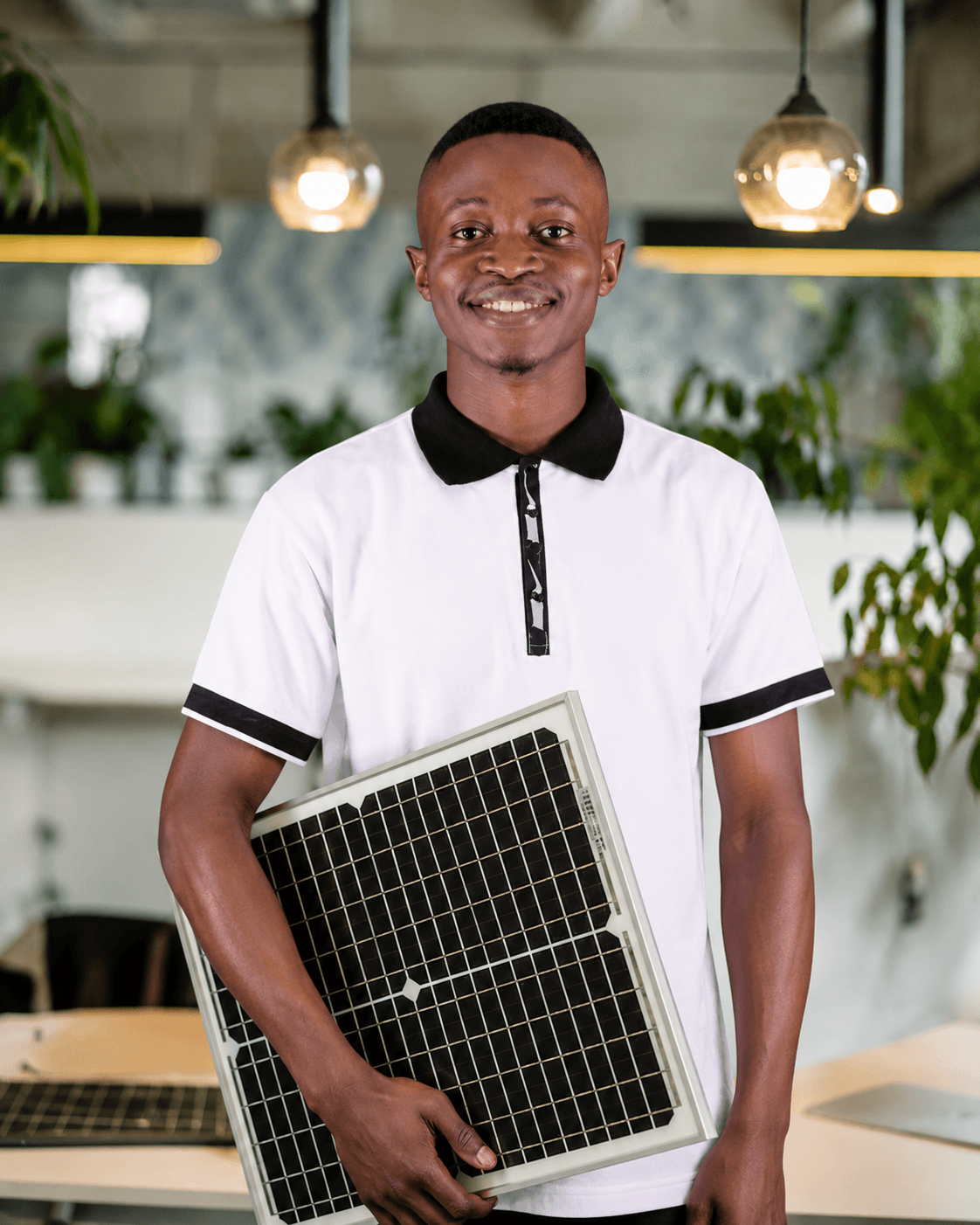

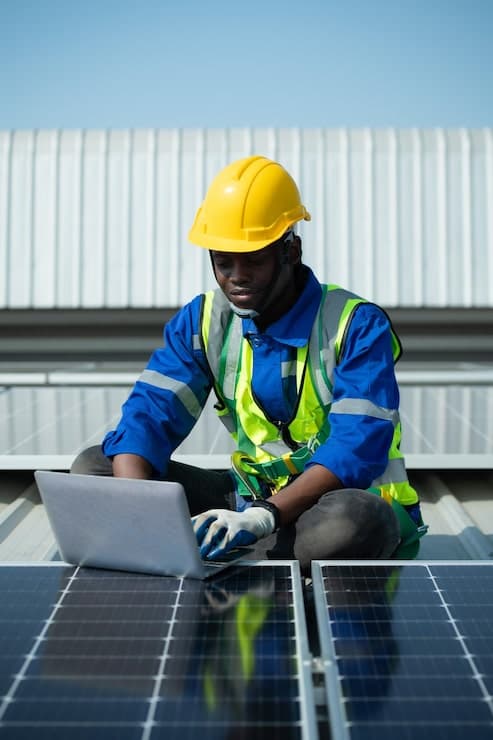
Our Team

Understanding Home Backup Power Solutions
Nigeria faces consistent challenges with public grid stability, leading to frequent power outages. According to reports from the World Bank, a significant portion of the population struggles with reliable electricity access. This unreliability makes having an independent backup power solution not just a luxury, but a necessity for homes and businesses. A robust home backup power solution ensures that your essential appliances like refrigerators, lighting, fans, televisions, and work computers remain operational during blackouts.
When we talk about a home backup power solution, we are generally referring to an inverter system paired with deep-cycle batteries, and increasingly, integrated with solar panels. This combination provides a seamless transition of power when the main grid fails, preventing data loss for those working from home, ensuring security systems remain active, and maintaining a comfortable living environment.
Key Components of a Home Backup System
To fully grasp how these systems work and how to choose the right one, it is vital to understand the primary components that make up a home backup power solution.
Inverters
The inverter is the brain of the backup system. Its primary function is to convert the direct current (DC) power stored in the batteries into alternating current (AC) power, which is the standard electrical format used by your home appliances. Inverters are rated in volt-amperes (VA) or watts (W). The size of the inverter you need depends directly on the total wattage of the appliances you intend to run simultaneously. For a basic setup, a 1kVA to 2kVA inverter might suffice, whereas larger homes with air conditioning units and water pumps might require 5kVA, 10kVA, or even higher capacities.
Deep-Cycle Batteries
Batteries store the electrical energy for use when the grid power is off. Unlike car batteries that provide a short burst of high current, deep-cycle batteries are designed to be discharged and recharged repeatedly over long periods. In Nigeria, the most common types are Tubular lead-acid batteries and Lithium-ion batteries.
Lithium-ion batteries are becoming the preferred choice due to their longer lifespan, deeper depth of discharge, and faster charging capabilities, although they come at a higher initial cost compared to lead-acid variants.
Solar Panels (Optional but Recommended)
While an inverter and battery system can charge from the grid when power is available, adding solar panels transforms your setup into an independent power generating system. Solar panels capture sunlight and convert it into DC electricity to charge your batteries during the day. This reduces your reliance on the grid and diesel generators, significantly cutting down on long-term energy costs.
Estimating Your Power Requirements
Before purchasing a system, you must conduct a load assessment. This involves listing all the appliances you want to run during a power outage and noting their power consumption in watts.
For instance:
- LED light bulbs: 10W each
- Ceiling fan: 70W
- Television: 100W
- Laptop charger: 65W
- Refrigerator: 200W (Note: refrigerators have a high starting surge)
By summing up the wattage of devices you plan to use concurrently, you can determine the minimum inverter capacity required. We recommend using our Solar Calculator to get a precise estimate based on your specific household needs.
Pros and Cons of Home Backup Power Solutions
Investing in a home backup system is a significant decision. Here is a breakdown of the advantages and potential drawbacks.
Pros
- Uninterrupted Power Supply: The most significant benefit is having continuous power, eliminating the disruptions caused by grid failures.
- Reduced Noise and Fumes: Unlike diesel or petrol generators, inverter and solar systems operate silently and produce no harmful emissions, creating a healthier home environment.
- Long-Term Cost Savings: Although the initial investment can be substantial, the reduction in fuel purchases and generator maintenance costs leads to significant savings over time.
- Low Maintenance: Solar and inverter systems require very little ongoing maintenance compared to mechanical generators.
- Increased Property Value: Homes equipped with reliable alternative power solutions are highly sought after in the Nigerian real estate market.
Cons
- High Initial Investment: The upfront cost of purchasing inverters, batteries, and solar panels can be high.
- Space Requirements: Batteries and solar panels require adequate physical space for installation.
- Battery Replacement: Depending on the battery chemistry chosen, batteries will degrade over time and will need replacement every few years (though lithium batteries last much longer).
Choosing the Right System for Your Budget
At Rayspark Solar, we offer a variety of solar packages tailored to different needs and budgets. Whether you need a basic system just to keep the lights and fans on, or a comprehensive solution capable of running air conditioners and heavy machinery, we have the right fit for you.
When selecting a system, consider the warranty offered on the products and the reputation of the installation company. Poor installation can lead to system failure and safety hazards.
Frequently Asked Questions (FAQs)
How long will a backup power system last during an outage?
The duration your system will last depends entirely on the total capacity of your battery bank and the amount of power you are consuming. If you run heavy appliances, the battery will drain faster. Proper load management is essential to extend runtime.
Can a home backup system run my air conditioner?
Yes, provided the system is sized correctly. Running an air conditioner requires a robust inverter (usually 3kVA or higher depending on the AC size) and a substantial battery bank.
How long does it take to install a home backup system?
A standard installation usually takes one to two days, depending on the complexity of the setup, the structural layout of your home, and whether solar panels are being mounted on the roof.
Do I need solar panels if I only want a backup for grid outages?
No, solar panels are not strictly necessary if you only want an inverter system that charges from the public grid. However, given the unpredictability of grid power, adding solar panels ensures your batteries remain charged even during extended grid blackouts.
Conclusion
Securing a reliable home backup power solution is a smart investment for anyone living or working in Nigeria. It brings peace of mind, improves productivity, and enhances your overall quality of life by ensuring you are never left in the dark.
Do not let power outages dictate your daily routine. Take control of your energy needs today. As your sure plug for reliable solar product supplier and installation, we at Rayspark Solar provides top-tier products to meet everyone's budget and exact needs. Call/WhatsApp: +234 706 482 6896 to speak with our experts and get a customized quote for your home or business.