.jpg&w=3840&q=75)
Solar for everyone: Pay Small Small
Don't let the cost stop you. Get this system installed today and pay in easy monthly installments over 6-24 months.
View Financing PlansAs your sure plug for reliable solar product supplier and installation, we at Rayspark Solar provides top-tier products to meet everyone's budget and exact needs. Call/WhatsApp: +234 706 482 6896
The installation of a solar power system typically takes between one to three days, depending on the size of the system, the complexity of your roof or mounting structure, and the overall scope of the project. A basic residential setup can often be completed in a single day, whereas larger commercial installations may span several days or even weeks. Understanding the exact timeline involves looking at the pre-installation requirements, the physical mounting of equipment, and the final testing phases.


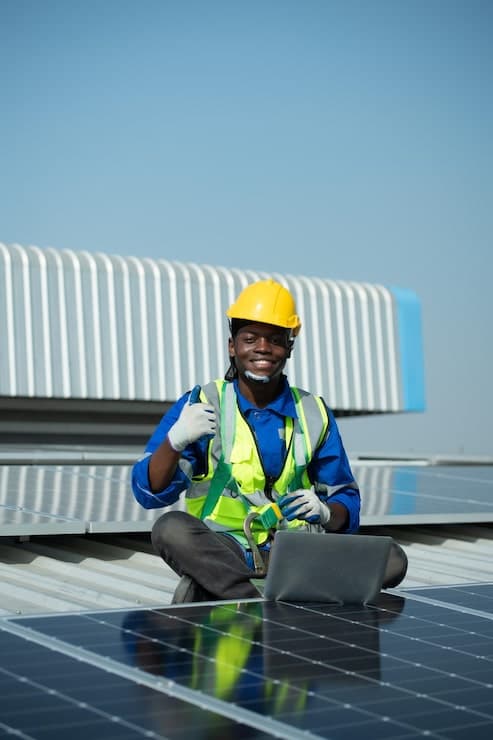
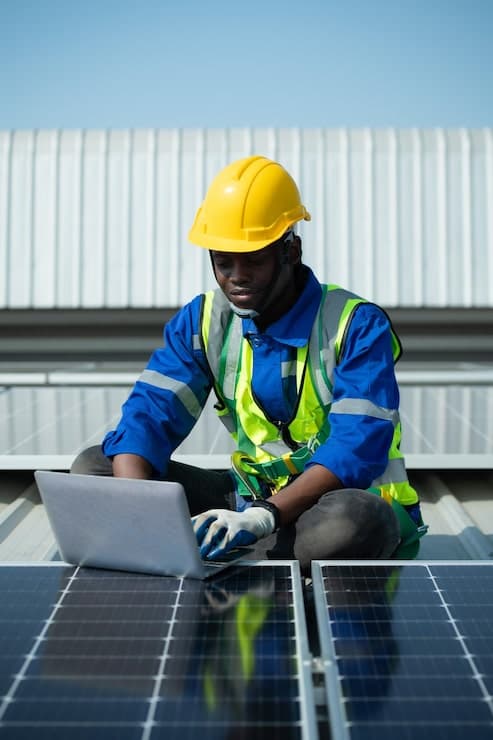
Our Team
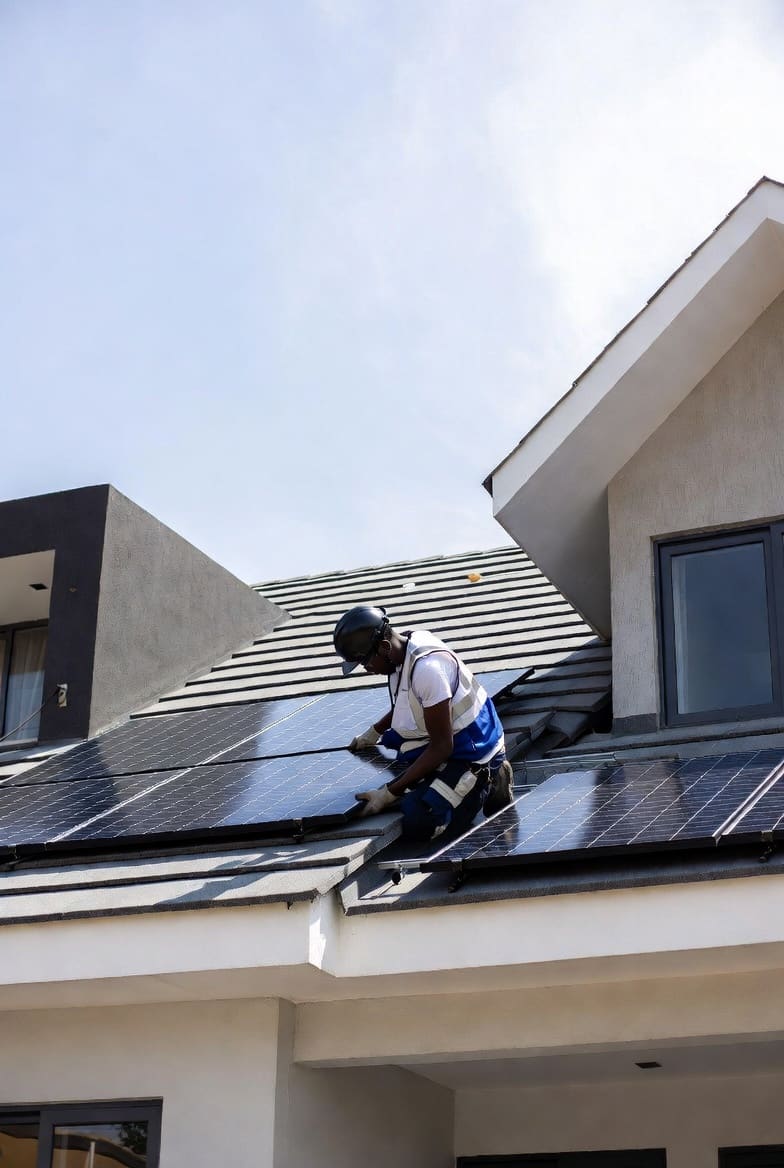
Understanding the Solar Installation Timeline
Transitioning to solar energy is a significant and highly rewarding investment. However, many property owners frequently ask about the timeline involved. While the physical installation is often quick, there are several preparatory steps that must be taken to ensure your system operates safely and optimally. Below is a comprehensive breakdown of the typical stages involved in a solar installation project.
1. Initial Consultation and Site Assessment
Before any panels are mounted, a thorough evaluation of your property is necessary. During this phase, professionals assess your energy consumption, inspect your roof condition, and determine the optimal placement for solar panels to maximize sunlight exposure.
- Duration: 1 to 2 days for scheduling and completion.
- Key Activities: Roof measurement, shading analysis, load calculation, and battery storage planning.
2. System Design and Engineering
Once the site assessment is complete, engineers design a custom solar power system tailored to your specific energy needs. This design includes the number of panels, the capacity of the inverter, and the size of the battery bank required to provide uninterrupted power during outages.
- Duration: 2 to 4 days.
- Key Activities: Component selection, drafting electrical diagrams, and finalizing the system layout.
3. Procurement of Equipment
After the design is approved, the required components—such as solar panels, inverters, charge controllers, and batteries—are sourced and delivered to the installation site. Working with a reliable supplier like Rayspark Solar ensures that high-quality materials are procured without unnecessary delays.
- Duration: 1 to 3 days (depending on stock availability).
- Key Activities: Sourcing materials, quality checks, and transportation.
4. Physical Installation of the Solar System
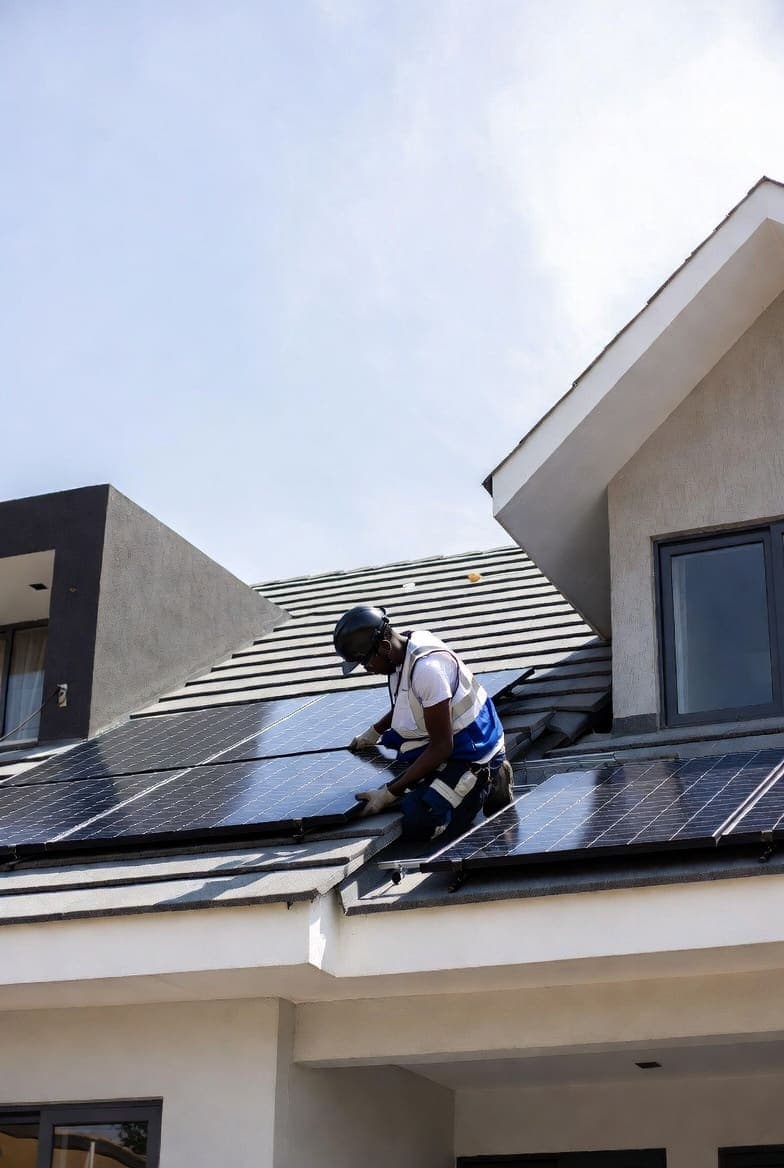
This is the most visible phase of the project. Technicians arrive at your property to physically install the system. For a standard residential property, this process is surprisingly fast.
- Duration: 1 to 3 days.
- Key Activities:
- Mounting the racking system on the roof.
- Securing the solar panels to the racks.
- Installing the inverter and battery storage unit.
- Running conduits and connecting the electrical wiring safely.
5. Final Testing and Commissioning
After the physical installation is complete, the system cannot be turned on immediately until it passes a series of rigorous tests. The installation team will check the voltage, ensure that all connections are secure, and verify that the system is charging the batteries and powering your appliances correctly.
- Duration: A few hours to 1 day.
- Key Activities: Electrical safety checks, inverter configuration, and system activation.
Factors That Can Affect the Installation Timeline
While the timeline outlined above is typical, several variables can either expedite or delay the process. Understanding these factors will help you set realistic expectations for your project.
Property Size and System Complexity
A massive commercial facility requiring a 50kVA system will naturally take longer to install than a modest 5kVA residential setup. Complex roof angles, multi-story buildings, and specialized mounting structures (such as ground mounts) add time to the physical installation phase.
Weather Conditions
Solar installation involves working on rooftops and dealing with electrical components. Heavy rain, strong winds, or extreme heat can temporarily halt installation activities to ensure the safety of the technicians and the integrity of your equipment.
Structural Modifications
If your roof is old or structurally unsound, it may require repairs or reinforcement before it can safely support the weight of solar panels. In some cases, upgrading your main electrical panel might also be necessary to handle the new power source safely.
Pros and Cons of Quick Solar Installations
Many property owners desire a rapid installation process, but speed should never compromise quality. Here are the pros and cons of fast-tracked solar projects.
Pros:
- Immediate Energy Savings: The sooner your system is active, the faster you can reduce your reliance on grid electricity and expensive generator fuel.
- Less Disruption: A shorter installation window means fewer interruptions to your daily routine or business operations.
Cons:
- Potential for Errors: Rushing the installation can lead to poorly secured panels, faulty wiring, or suboptimal panel placement, reducing overall efficiency.
- Overlooking Site Issues: A hurried site assessment might miss critical structural or shading issues that could affect long-term performance.
Why Choose Professional Installation?
Attempting a DIY solar installation or hiring unqualified technicians to save time can result in disastrous consequences, including fire hazards, equipment damage, and voided warranties. Professional installers possess the training, tools, and experience necessary to execute the project safely and efficiently. By partnering with experts, you are guaranteed a system that complies with all electrical safety standards and delivers optimal performance for decades.
For more information on sizing your system, check out our solar calculator or explore our standard solar packages.
Frequently Asked Questions (FAQs)
Will the installation process disrupt my daily activities?
For the most part, the installation process is minimally invasive. Most of the work is done outside on the roof. However, there will be a brief period where the power must be shut off to safely connect the new system to your electrical panel.
Can I expand my solar system later?
Yes, most modern solar setups are scalable. If your energy needs increase in the future, you can add more panels or expand your battery bank, provided your inverter has the capacity to handle the additional load.
Do solar panels require a lot of maintenance?
Solar panels are remarkably low maintenance. They require occasional cleaning to remove dust, leaves, or bird droppings that might obstruct sunlight. Your inverter and batteries will also require periodic professional check-ups to ensure longevity.
How long do solar panels and batteries last?
High-quality solar panels typically have a lifespan of 25 to 30 years. Deep-cycle batteries (such as Lithium-ion) can last anywhere from 5 to 15 years, depending on usage, depth of discharge, and maintenance.
Ready for Your Solar Installation?
Do not let the fear of a lengthy installation process hold you back from enjoying clean, reliable, and cost-effective energy. At Rayspark Solar, our team of seasoned engineers is committed to delivering swift, safe, and professional installations tailored to your exact needs. We use only premium components to ensure your system stands the test of time.
Take the first step towards true energy independence today. Contact us now to schedule your site assessment and get a customized quote. Call or WhatsApp us at +234 706 482 6896 to buy from the Rayspark Solar store.