.jpg&w=3840&q=75)
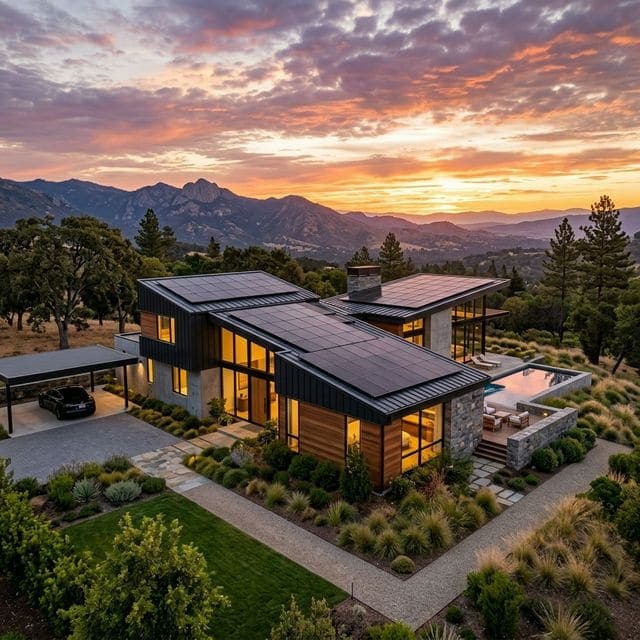
Solar for everyone: Pay Small Small
Don't let the cost stop you. Get this system installed today and pay in easy monthly installments over 6-24 months.
View Financing PlansAs your sure plug for reliable solar product supplier and installation, we at Rayspark Solar provides top-tier products to meet everyone's budget and exact needs. Call/WhatsApp: +234 706 482 6896
The number of solar panels you need depends on your daily energy consumption, the wattage of the panels, and the amount of sunlight your location receives. On average, a standard home requires between fifteen and twenty-four solar panels to fully offset its electricity usage. However, calculating your specific needs requires looking at your power bills and understanding the total kilowatt-hours you consume monthly.




Our Team
Understanding Your Energy Consumption
Before you can determine the exact number of solar panels required for your property, it is essential to understand your current energy consumption. Every household and business operates differently, and the power required to run basic appliances varies significantly.
Checking Your Electricity Bill
The most accurate way to understand your energy needs is to review your electricity bills from the past year. Look for your average monthly usage, which is measured in kilowatt-hours (kWh). A standard household might use anywhere from five hundred to one thousand kWh per month. To find your daily usage, simply divide your monthly average by thirty. Once you have this figure, you can begin to calculate the size of the solar array required to meet your needs.
Listing High Consumption Appliances
If you are planning to go completely off the grid or if you experience frequent power outages, it is helpful to list the appliances you intend to power. High-consumption devices include:
- Air conditioners
- Water heaters
- Electric ovens
- Refrigerators
- Pumping machines
By identifying these heavy load items, you can better estimate the peak power you might need at any given moment, which influences not only the number of panels but also the size of the inverter you will require. For more details on calculating system sizes, visit our calculator page.
The Role of Solar Panel Wattage
Solar panels come in various sizes and power ratings, typically ranging from two hundred and fifty watts to over six hundred watts per panel. The wattage of the panel directly impacts how many you will need to install.
Higher Wattage Equals Fewer Panels
If you choose high-efficiency panels with a higher wattage rating, you will need fewer panels to achieve the same total energy output. For instance, if your goal is a five-kilowatt system, you would need twenty panels rated at two hundred and fifty watts each. However, if you opt for five hundred-watt panels, you would only need ten panels. This is particularly important if you have limited roof space.
Pros and Cons of High-Wattage Panels
Pros:
- Require less installation space.
- Often feature newer, more efficient technology.
- Less mounting hardware and cabling required.
Cons:
- Higher initial cost per panel.
- Can be larger and heavier, making handling difficult.
Sunlight Availability and System Efficiency
The amount of direct sunlight your roof receives daily plays a massive role in solar panel efficiency. This is often referred to as peak sun hours. A peak sun hour is not just an hour of daylight; it is an hour during which the intensity of the sunlight is one thousand watts per square meter.
Calculating Based on Peak Sun Hours
If your area receives an average of five peak sun hours per day, a five hundred-watt panel will produce approximately two point five kWh per day. By dividing your daily energy requirement by the daily output of a single panel, you can accurately estimate the number of panels needed.
Factors Affecting Sunlight
Several factors can reduce the amount of sunlight your panels receive:
- Shading: Trees, nearby buildings, or chimneys can cast shadows over your roof.
- Roof Orientation: Panels facing south typically receive the most sunlight throughout the day.
- Weather Patterns: Areas with frequent cloud cover or heavy rainfall will experience reduced solar output.
Sizing Your Solar System
Let us look at a practical example to help clarify the calculation process. Suppose your daily energy requirement is twenty kWh, and your location receives four peak sun hours per day.
- Calculate total system size: Divide twenty kWh by four peak sun hours. This gives you a required system size of five kilowatts (or five thousand watts).
- Determine the number of panels: If you are using four hundred-watt panels, divide five thousand by four hundred. This results in twelve point five. Since you cannot install half a panel, you would round up to thirteen panels.
It is always advisable to add a twenty to twenty-five percent buffer to your calculation to account for system inefficiencies, dust, and degradation over time. Therefore, a fifteen-panel system would be a safer and more reliable choice.
Professional Installation and Consultation
While calculating your needs is a great starting point, a professional assessment is crucial. An expert will evaluate your roof structure, electrical wiring, and specific energy goals to design a customized system. Proper installation ensures maximum efficiency, safety, and longevity of your solar investment.
If you are considering different setups, you might want to check our available packages to see what aligns best with your calculations. Also, consider researching external resources on solar energy efficiency to broaden your understanding before making a purchase.
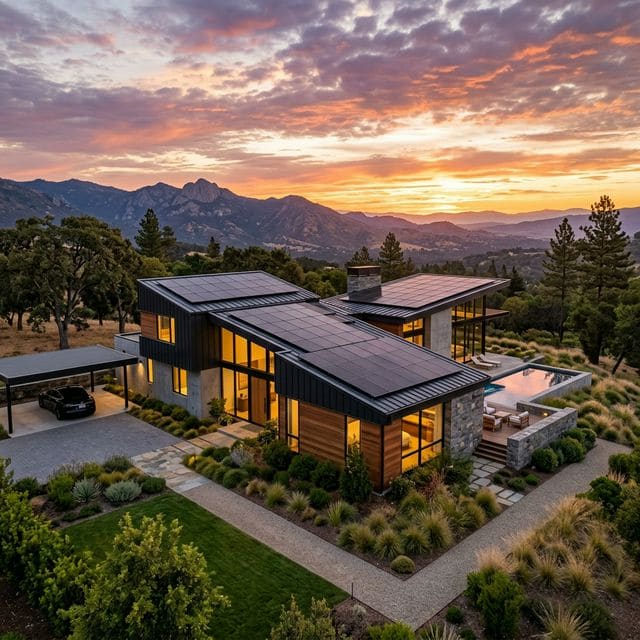
Frequently Asked Questions
How much space do I need on my roof for solar panels? A typical residential solar panel is about eighteen square feet. A system requiring fifteen panels would need roughly two hundred and seventy square feet of unshaded roof space.
Can I run my air conditioner on solar power? Yes, but air conditioners draw a significant amount of power. You will need a larger solar array and a substantial battery bank to support air conditioning, especially during the night.
What happens on cloudy days? Solar panels still generate electricity on cloudy days, although their output will be reduced. Having a battery storage system allows you to use stored energy when solar production is low.
Do I still need to be connected to the grid? This depends on your system design. Off-grid systems require large battery banks to store power for nighttime and cloudy days. Grid-tied systems allow you to draw power from the utility company when your panels are not producing enough electricity.
Take the Next Step Towards Solar Independence
Ready to make the switch to clean, reliable, and cost-effective energy? Let us help you determine the exact specifications for your property and provide a seamless installation experience. Call or WhatsApp Rayspark Solar today at +234 706 482 6896 to speak with our experts and secure the perfect solar setup for your needs.