.jpg&w=3840&q=75)
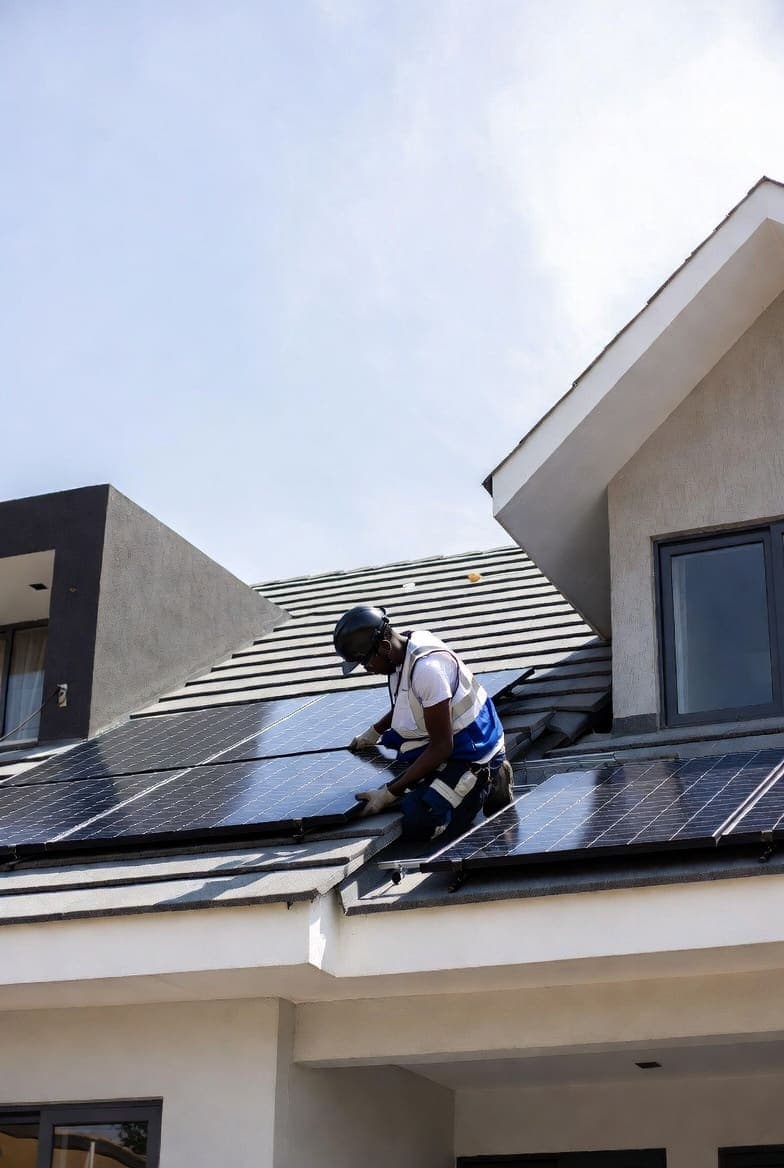
Solar for everyone: Pay Small Small
Don't let the cost stop you. Get this system installed today and pay in easy monthly installments over 6-24 months.
View Financing PlansAs your sure plug for reliable solar product supplier and installation, we at Rayspark Solar provides top-tier products to meet everyone's budget and exact needs. Call/WhatsApp: +234 706 482 6896
To keep your home powered during blackouts, you can invest in a solar power and inverter system, utilize a standalone battery inverter setup, purchase a portable power station, use a traditional petrol or diesel generator, or install an uninterruptible power supply (UPS) for essential electronics. These solutions offer varying levels of power independence, cost-effectiveness, and ease of installation to suit different household demands.

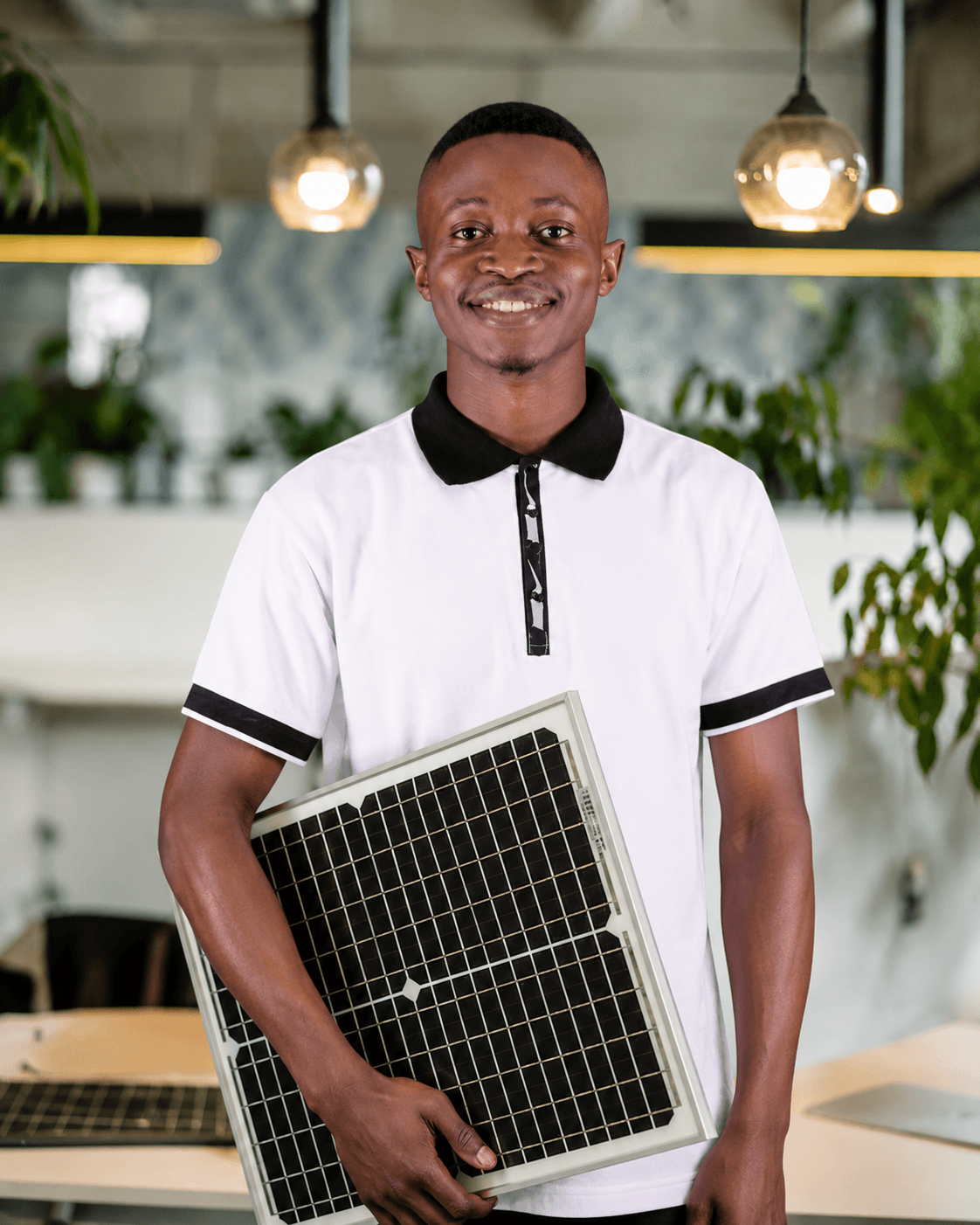
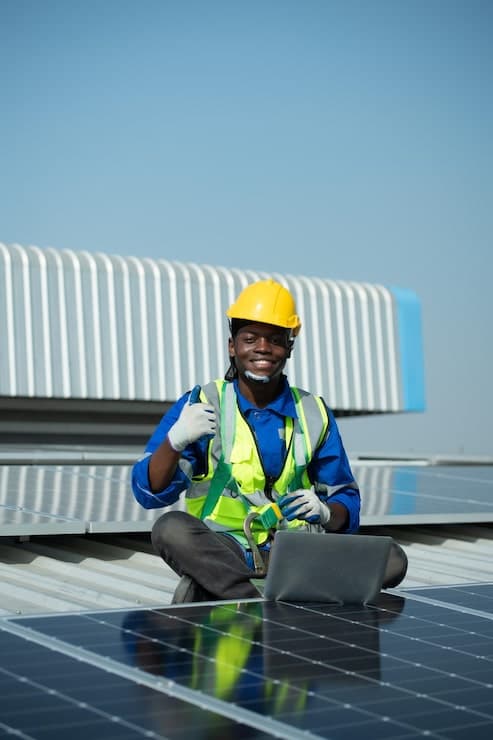
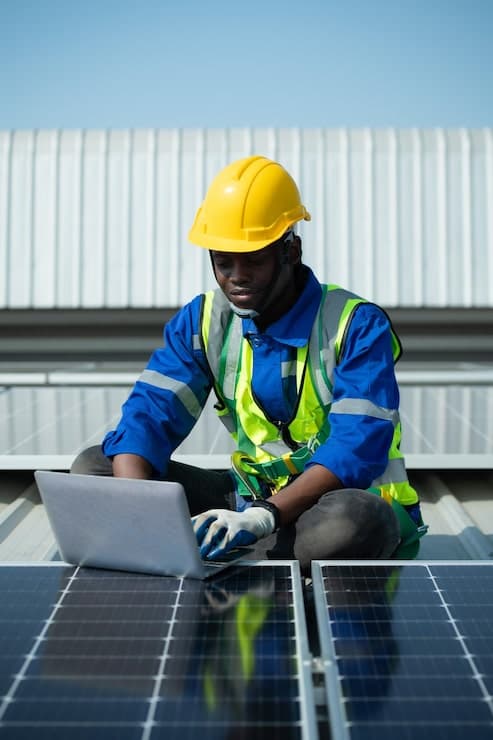
Our Team
Understanding the Impact of Power Outages
In regions experiencing frequent power grid failures or daily blackouts, maintaining a consistent power supply is more than a luxury; it is an absolute necessity. Unpredictable power cuts can disrupt work-from-home schedules, spoil refrigerated goods, damage sensitive electronic appliances due to power surges, and compromise home security systems. Finding the right backup power solution is critical to ensuring your household runs smoothly regardless of the national grid's performance. The objective is to identify a reliable, cost-effective, and long-term solution to keep your home powered during blackouts.
5 Reliable Ways to Keep Your Home Powered During Blackouts
There are several methods to ensure your home remains illuminated and functional during a power outage. Below, we explore five of the most effective strategies.
1. Solar Power Systems (Inverters and Panels)
A complete solar power system is widely considered the most sustainable and efficient way to achieve power independence. This system combines solar panels, deep-cycle batteries (often Lithium-ion or Tubular), and an inverter. During the day, the solar panels harness energy from the sun to power your home and charge the batteries. At night or during a blackout, the system seamlessly switches to battery power. Check out our Solar Packages to find a suitable setup for your home.
Pros:
- Zero fuel costs and significantly reduced monthly electricity bills.
- Silent operation with zero carbon emissions.
- Low maintenance requirements and long lifespan (panels can last over 25 years).
- Provides true energy independence.
Cons:
- Higher initial installation cost compared to traditional generators.
- Requires adequate roof space with good sunlight exposure.
2. Standalone Inverter and Battery Systems
If you live in an apartment where installing solar panels is not feasible, a standalone inverter and battery system is an excellent alternative. This setup uses the grid power to charge the batteries when electricity is available. When a blackout occurs, the inverter automatically kicks in, drawing stored energy from the batteries to power your appliances.
Pros:
- Completely noiseless and suitable for indoor installation.
- Instant switch-over, meaning your appliances will not restart during a power cut.
- Lower initial cost compared to a full solar package.
Cons:
- Relies on the national grid or an external generator to charge the batteries.
- Battery lifespan heavily depends on usage and depth of discharge.
3. Portable Power Stations
Portable power stations are basically large, high-capacity power banks equipped with standard AC outlets, USB ports, and DC carports. They are designed to power smaller loads such as laptops, televisions, fans, and medical devices (like CPAP machines). They are incredibly versatile and can be recharged via the wall outlet, a car charger, or portable solar panels.
Pros:
- Highly portable and excellent for camping or mobile workspaces.
- Plug-and-play functionality with no professional installation required.
- Safe to use indoors as they emit no fumes.
Cons:
- Limited capacity; cannot power heavy appliances like air conditioners or large refrigerators.
- Recharging can take several hours depending on the power source.
4. Fuel Generators (Petrol or Diesel)
Traditionally, generators have been the go-to solution for backup power. They work by combusting fossil fuels to generate electricity. While they come in various sizes, from small portable units to massive industrial setups, they are highly reliable as long as you have a steady supply of fuel. According to energy reports, generators remain a common stopgap, though there is a strong shift toward renewable energy sources.
Pros:
- Capable of powering heavy appliances depending on the capacity (kVA rating).
- Lower upfront purchase price for smaller units.
- Can provide continuous power as long as fuel is added.
Cons:
- High ongoing running costs due to the continuous purchase of petrol or diesel.
- Noise pollution and harmful carbon monoxide emissions.
- Requires frequent and sometimes costly mechanical maintenance.
5. Uninterruptible Power Supply (UPS)
A UPS is a localized backup solution primarily designed for desktop computers, routers, and other sensitive electronics. It provides a small window of power, usually between 10 to 30 minutes, allowing you to save your work and safely shut down your equipment during an unexpected power cut.
Pros:
- Protects sensitive devices from voltage spikes and power surges.
- Very affordable and easy to set up.
- Ensures internet connectivity is maintained during brief outages.
Cons:
- Very short runtime, not suitable for long-term power backup.
- Cannot power large household appliances.
How to Choose the Right Solution for Your Needs
Selecting the ideal backup power solution depends on several factors, including your budget, the size of your household, and the appliances you intend to run.
- Calculate Your Energy Load: Make a list of all essential appliances you want to run during a blackout. Check their wattage to determine the total power required. You can use our Energy Calculator for a precise estimate.
- Determine Your Budget: While a full solar setup requires a larger initial investment, it pays for itself over time through savings on fuel and electricity bills. Standalone inverters are great middle-ground solutions.
- Consider Installation Space: Solar panels require unshaded roof space, while generators need outdoor, well-ventilated areas due to noise and exhaust. Inverters and portable stations can safely sit indoors.
- Evaluate Outage Duration: If blackouts in your area last for several days, a solar setup or a large generator is necessary. For brief, scheduled cuts, a battery-inverter system might suffice.
Frequently Asked Questions (FAQs)
How long can a solar battery keep my home powered? The duration depends on the capacity of the battery bank and the total power draw of your appliances. A properly sized lithium-ion battery can easily power essential loads overnight until the sun comes up to recharge it.
Can I run an air conditioner on a solar inverter system? Yes, but you will require a high-capacity inverter (usually 5kVA and above) and a substantial battery bank. Air conditioners consume a lot of power, so it is crucial to consult with professionals to size the system correctly.
Are portable power stations better than generators? For small electronics and indoor use, portable power stations are superior because they are silent and emit no fumes. However, if you need to run an entire household with heavy appliances, a large generator or a robust solar system is required.
How do I maintain my solar inverter system? Maintenance is minimal. Keep the solar panels clean from dust and debris to ensure maximum efficiency. If you use tubular batteries, you may need to top them up with distilled water periodically. Lithium-ion batteries are maintenance-free.
Conclusion and Next Steps
Dealing with unpredictable power supply does not have to be a permanent struggle. By understanding the available backup power options, you can make an informed decision that guarantees comfort, productivity, and security for your family. From portable power stations to comprehensive solar panel installations, the right choice will depend on your specific energy needs and budget.
As your sure plug for reliable solar product supplier and installation, we at Rayspark Solar provides top-tier products to meet everyone's budget and exact needs. Call/WhatsApp: +234 706 482 6896. Reach out today to transform the way you power your home!