.jpg&w=3840&q=75)

Solar for everyone: Pay Small Small
Don't let the cost stop you. Get this system installed today and pay in easy monthly installments over 6-24 months.
View Financing PlansAs your sure plug for reliable solar product supplier and installation, we at Rayspark Solar provides top-tier products to meet everyone's budget and exact needs. Call/WhatsApp: +234 706 482 6896
The price of a portable solar generator in Nigeria typically ranges from NGN 150,000 to NGN 2,500,000 or more, depending largely on the battery capacity, power output, brand reputation, and included features such as solar panels and inverter quality. Smaller units suitable for charging phones and laptops are on the lower end, while high-capacity models capable of powering heavy appliances like refrigerators and televisions command higher prices.




Our Team
Understanding Portable Solar Generators
A portable solar generator is a compact, self-contained power unit that captures sunlight through solar panels, stores that energy in an internal battery system, and converts it into usable electricity for various devices and appliances. Unlike traditional gasoline or diesel generators, they produce no noise, emit no toxic fumes, and require zero fuel maintenance.
In Nigeria, where power supply can be inconsistent, having a reliable backup solution is not just a luxury; it is a necessity for maintaining productivity and comfort. Portable solar generators offer a unique advantage because they are lightweight enough to be moved from room to room, taken on camping trips, or deployed on job sites where grid power is inaccessible.
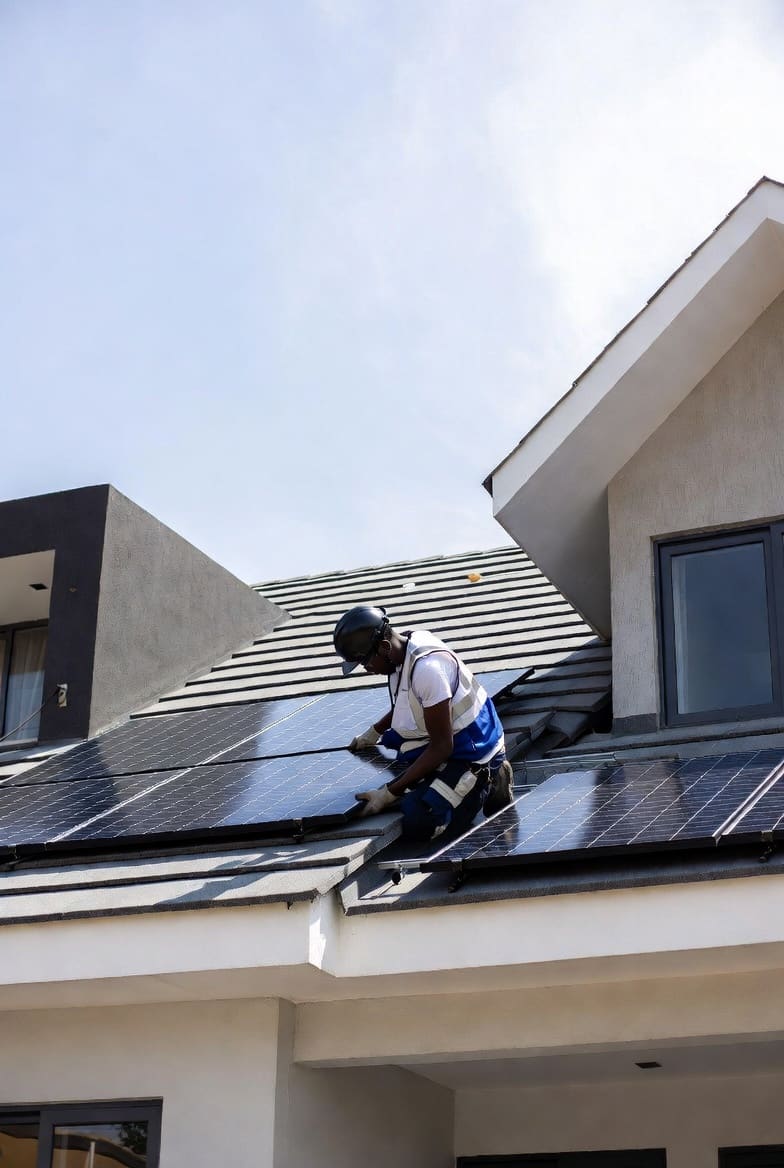
Portable Solar Generator Price in Nigeria: A Detailed Breakdown
When evaluating the portable solar generator price in Nigeria, it is important to categorize them by capacity, as this is the primary driver of cost. Below is a detailed breakdown of what you can expect to pay based on your power requirements.
1. Small Capacity (150Wh to 300Wh)
- Estimated Price Range: NGN 150,000 to NGN 350,000
- Best For: Charging smartphones, tablets, laptops, and powering small LED lights or portable fans.
- Ideal Users: Students, remote workers, and individuals who need a basic backup for personal electronics during short power outages.
2. Medium Capacity (500Wh to 1000Wh)
- Estimated Price Range: NGN 400,000 to NGN 850,000
- Best For: Powering multiple laptops, internet routers, small televisions, standing fans, and CPAP machines.
- Ideal Users: Small offices, households needing to keep essential entertainment and cooling devices running, and outdoor enthusiasts.
3. Large Capacity (1500Wh to 3000Wh)
- Estimated Price Range: NGN 900,000 to NGN 1,800,000
- Best For: Running refrigerators, microwaves, small power tools, desktop computers, and multiple room appliances simultaneously.
- Ideal Users: Larger households, business owners, and professionals needing reliable power for heavy-duty work equipment.
4. Extra-Large / Expandable Capacity (Over 3000Wh)
- Estimated Price Range: NGN 2,000,000 to NGN 4,000,000+
- Best For: Whole-house backup for critical circuits, running air conditioners (for limited durations), and heavy-duty industrial tools.
- Ideal Users: Luxury homes, comprehensive office setups, and industrial applications requiring robust off-grid capabilities.
Note: Prices are subject to market fluctuations, exchange rates, and the specific brand or retailer. Always consult a reputable dealer for the most current pricing.
Must-Know Facts Before Buying
Before making an investment, there are several critical factors you must understand to ensure you select the right system for your needs.
Assess Your Power Requirements
Do not guess your power needs. Calculate the total wattage of the appliances you intend to run simultaneously. Ensure the generator's continuous AC output rating exceeds this total. For devices with motors (like refrigerators), you must also account for the surge wattage, which can be double or triple the running wattage. You can use our calculator to help determine your exact needs.
Understand Battery Chemistry
Most modern portable solar generators use either Lithium-ion (NMC) or Lithium Iron Phosphate (LiFePO4) batteries. LiFePO4 batteries are highly recommended as they offer a significantly longer lifespan (often over 3000 charge cycles compared to 500-800 for NMC) and are generally safer due to better thermal stability.
Check Solar Input Capacity
The battery capacity is only half the equation; how fast it recharges matters equally. Check the maximum solar input rating. A large battery with a low solar input will take entirely too long to recharge, rendering it ineffective during brief periods of sunlight. Ensure the unit can accept adequate solar panel wattage for rapid charging.
Portability vs. Capacity Trade-off
Higher capacity means a larger and heavier battery. If you plan to move the generator frequently, pay close attention to the weight and the design of the carrying handles or wheels.
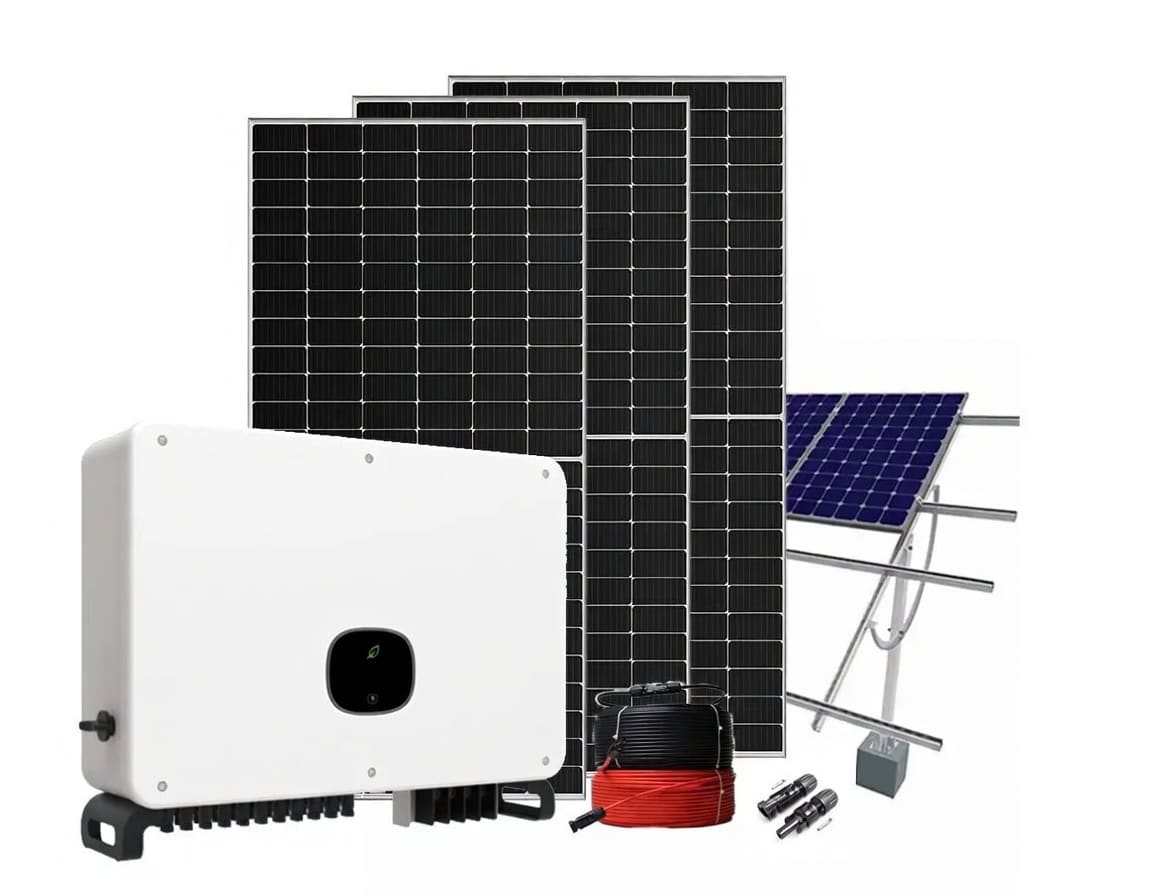
Pros and Cons of Portable Solar Generators
To make an informed decision, it is essential to weigh the advantages and disadvantages of these systems.
Pros
- Zero Fuel Costs: Once the initial investment is made, the energy generated from the sun is entirely free, protecting you from fluctuating diesel and petrol prices.
- Silent Operation: Unlike noisy mechanical generators, solar generators operate in near silence, making them perfect for indoor use, quiet neighborhoods, and office environments.
- Eco-Friendly: They produce zero emissions, contributing to a healthier environment and reducing your carbon footprint.
- Low Maintenance: With no moving parts, oil changes, or spark plugs to replace, solar generators require virtually zero maintenance.
- Plug-and-Play Convenience: They are extremely user-friendly. Simply plug in your devices, and you are ready to go without the need for complex electrical installations.
Cons
- High Initial Cost: The upfront investment is significantly higher than a traditional gas generator of similar power output.
- Weather Dependent: Recharging via solar panels relies on adequate sunlight. During extended periods of rain or heavy cloud cover, charging efficiency drops substantially.
- Limited Sustained Output: While great for electronics and medium appliances, most portable units struggle to run high-drain appliances like large air conditioners or electric heaters for extended periods.
- Battery Degradation: All batteries degrade over time. Eventually, the internal battery will lose its ability to hold a full charge and will need to be replaced.
Frequently Asked Questions (FAQs)
How long does a portable solar generator last?
The lifespan of the unit depends largely on the battery chemistry. Units with Lithium Iron Phosphate (LiFePO4) batteries can last for 10 years or more with regular use, often exceeding 3000 charge cycles before the capacity drops to 80%. The electronic components (inverter and charge controller) generally have a similar lifespan if well-maintained.
Can I charge the generator using a wall outlet or my car?
Yes. Nearly all portable solar generators offer multiple charging methods, including AC wall charging and 12V car charging, in addition to solar panel input. This versatility ensures you can keep the unit charged even when sunlight is unavailable.
Will it run my refrigerator?
It depends on the capacity of the generator and the power requirements of your refrigerator. A medium to large capacity unit (1000Wh and above) with a sufficient AC inverter rating can typically run an average home refrigerator for several hours to a full day, depending on the fridge's energy efficiency.
Do I need to buy solar panels separately?
Some retailers sell them as bundled kits, while others sell the power station and solar panels separately. Be sure to clarify what is included in the price before purchasing.
Make the Smart Choice Today
Investing in a portable solar generator is a significant step towards energy independence and uninterrupted productivity. By understanding your specific needs and the varying price points in the Nigerian market, you can select a system that provides reliable power for years to come.
If you want to explore our wide range of tailored solar packages, visit our packages page to see what fits your lifestyle.
Are you ready to secure reliable power for your home or business? As your sure plug for reliable solar product supplier and installation, we at Rayspark Solar provides top-tier products to meet everyone's budget and exact needs. Call/WhatsApp: +234 706 482 6896 to buy from the Rayspark Solar store today!