.jpg&w=3840&q=75)
Solar for everyone: Pay Small Small
Don't let the cost stop you. Get this system installed today and pay in easy monthly installments over 6-24 months.
View Financing PlansAs your sure plug for reliable solar product supplier and installation, we at Rayspark Solar provides top-tier products to meet everyone's budget and exact needs. Call/WhatsApp: +234 706 482 6896
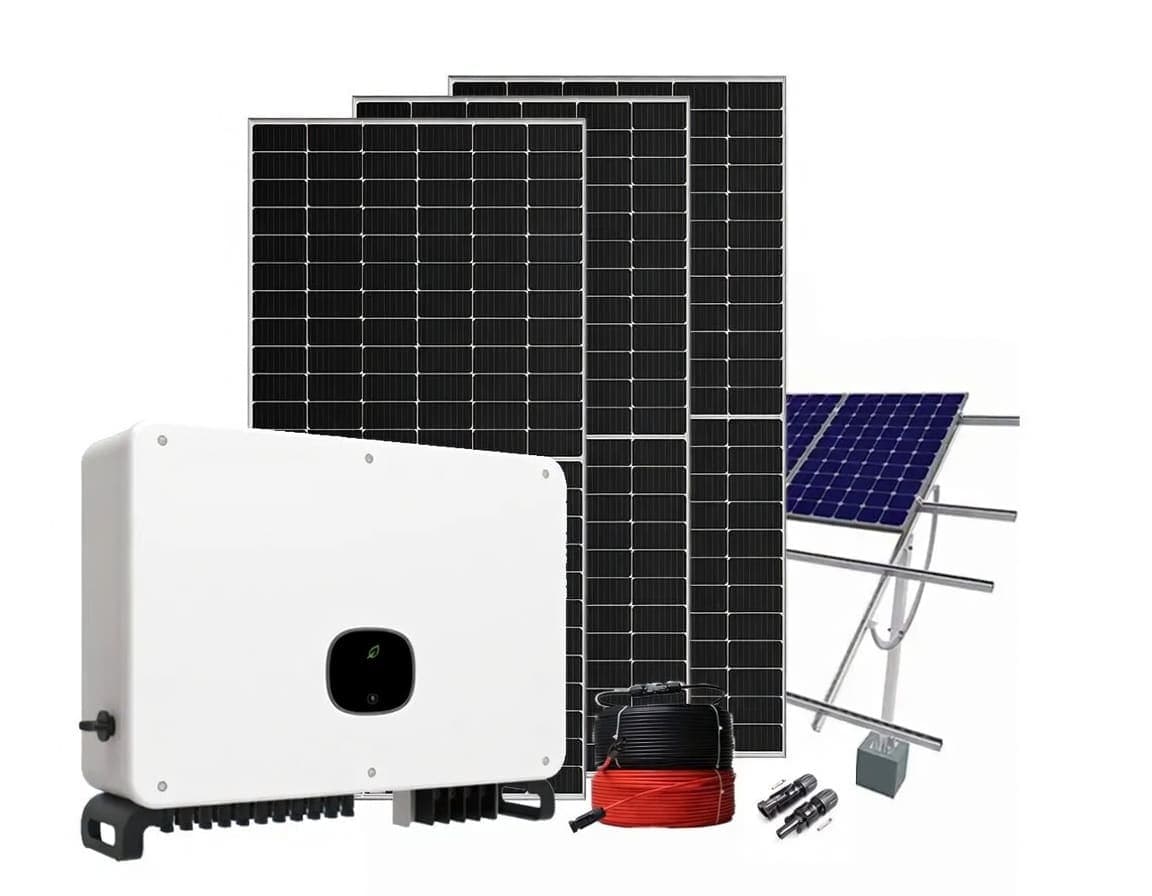
A solar system for POS business and office equipment typically includes a high-capacity lithium or tubular battery, a reliable pure sine wave inverter, and high-efficiency solar panels capable of running laptops, thermal printers, POS terminals, internet routers, and cooling fans efficiently for 24 hours without interruption. Prices range based on the exact load capacity, but investing in a robust setup ensures zero downtime and massive long-term savings on expensive generator fuel and maintenance.




Our Team
Understanding the Power Needs of POS Businesses and Small Offices
Running a POS business or a modern small office requires constant, uninterrupted electricity. The core tools of the trade—POS terminals, receipt printers, smartphones, laptops, and networking equipment—must remain powered throughout business hours to prevent loss of revenue and customer dissatisfaction. A reliable solar system is no longer a luxury but a fundamental necessity for operational continuity.
Unlike heavy industrial setups, the power requirement for office equipment and POS businesses is usually moderate but highly sensitive to power fluctuations. Therefore, choosing a solar system tailored to these specific needs involves understanding the cumulative wattage of your devices and ensuring the inverter system provides clean, stable energy.
Components of an Ideal Solar System for Office Equipment
To build a robust solar power solution for your business, the system must comprise carefully selected, high-quality components. Here is what makes up an efficient setup:
High-Efficiency Solar Panels
The solar panels are responsible for capturing sunlight and converting it into electricity. For a standard POS business or small office, monocrystalline solar panels are highly recommended due to their superior efficiency, especially in areas with varying sunlight intensity. These panels charge the battery bank during the day while simultaneously powering your connected devices.
Pure Sine Wave Inverter
Office equipment such as laptops, routers, and specialized thermal printers have sensitive electronic circuitry. A pure sine wave inverter is mandatory because it provides electricity that is identical to, or even better than, standard grid power. Using modified sine wave inverters can cause equipment to overheat, malfunction, or suffer permanent damage over time.
Deep Cycle Batteries
The battery bank is the heart of the solar system, storing excess energy generated during the day for use at night or during cloudy weather. For business applications, lithium-iron-phosphate batteries or high-grade tubular batteries are the best options. Lithium batteries, while having a higher initial price, offer a significantly longer lifespan, faster charging times, and the ability to discharge deeply without sustaining damage.
Charge Controller
A high-quality Maximum Power Point Tracking charge controller regulates the voltage and current coming from the solar panels to the battery bank. It ensures that the batteries are charged optimally and prevents overcharging, which can drastically reduce battery life.
Pros and Cons of Solar Systems for POS and Office Use
Before making an investment, it is helpful to weigh the advantages and potential drawbacks of transitioning your business to solar power.
Pros
- Uninterrupted Operations: Solar systems provide seamless power transition, ensuring your POS machines and computers never abruptly shut down during a transaction.
- Massive Cost Savings: Once installed, solar energy drastically cuts down operational costs by eliminating the need for petrol or diesel, as well as the associated generator maintenance fees.
- Quiet and Clean Environment: Unlike noisy generators that emit harmful fumes, solar setups operate silently, creating a professional and comfortable atmosphere for your staff and customers.
- Scalability: You can start with a basic setup to power essential equipment and expand the system by adding more panels and batteries as your business grows.
Cons
- Initial Investment Cost: The upfront price for high-quality panels, inverters, and lithium batteries can be significant. However, this cost is easily recouped over time through operational savings.
- Space Requirements: Installing solar panels requires adequate roof space with direct access to sunlight, which might be a challenge in some rented commercial properties.
How to Determine the Right Size for Your Business
To ensure you purchase the correct solar system, you must calculate your total energy load.
First, list all the devices you intend to power. For a typical POS kiosk, this might include:
- Two POS terminals
- One smartphone
- One rechargeable fan
- One LED bulb
For a small office, the list expands to:
- Two laptops
- One internet router
- One desktop printer
- Multiple LED lights
- One standing fan
Calculate the total wattage of these devices and multiply it by the number of hours you need them to run daily. This total watt-hour calculation will guide our engineers at Rayspark Solar in recommending the perfect inverter capacity and battery bank size for your specific business operations.
Tips for Maintaining Your Business Solar Setup
Maximizing the lifespan of your solar investment requires minimal but consistent maintenance.
- Keep Solar Panels Clean: Dust, bird droppings, and debris can significantly reduce the efficiency of your solar panels. Wipe them down periodically to ensure maximum sunlight absorption.
- Monitor Battery Health: If you are using tubular or lead-acid batteries, check the water levels regularly and top them up with distilled water as required. Lithium batteries are virtually maintenance-free.
- Ensure Proper Ventilation: Inverters and charge controllers generate heat during operation. Install them in a well-ventilated, dry area away from direct sunlight to prevent overheating.
- Avoid Overloading: Stick to the load capacity recommended by your installer. Do not plug in heavy appliances like electric kettles, irons, or large refrigerators unless your system was explicitly designed to handle them.
Frequently Asked Questions
What is the price of a solar system for a POS business?
The price varies depending on the specific load requirements, battery type, and inverter capacity. A basic entry-level setup to power just a POS machine, phone, and fan will cost significantly less than a system designed to run multiple laptops and office equipment. Contact us directly for a custom quote based on your exact needs.
Can the solar system run 24 hours a day?
Yes, absolutely. By sizing the battery bank correctly and installing adequate solar panels to charge them fully during the day, your system can provide continuous, round-the-clock power.
Will the system work during the rainy season?
Yes. Solar panels generate electricity from daylight, not just direct sunlight. While the energy production might drop during heavy rain or thick cloud cover, your battery bank is designed to store enough reserve power to carry you through these periods.
How long do the batteries last?
Tubular batteries typically last between three to five years with proper maintenance, while premium lithium batteries can last upwards of ten years, making them a more cost-effective choice in the long run.
Final Thoughts and Next Steps
Securing a reliable power source is one of the most critical decisions you will make for your POS business or small office. A customized solar system not only protects your electronic equipment from power surges but also guarantees that your business remains open and profitable regardless of grid failures.
Take the next step towards energy independence and increased business efficiency. As your sure plug for reliable solar product supplier and installation, we at Rayspark Solar provides top-tier products to meet everyone's budget and exact needs. Call/WhatsApp: +234 706 482 6896 to speak with our experts and get your customized solar solution today.