.jpg&w=3840&q=75)
Solar for everyone: Pay Small Small
Don't let the cost stop you. Get this system installed today and pay in easy monthly installments over 6-24 months.
View Financing PlansAs your sure plug for reliable solar product supplier and installation, we at Rayspark Solar provides top-tier products to meet everyone's budget and exact needs. Call/WhatsApp: +234 706 482 6896
The average price of a comprehensive solar system for a restaurant in Nigeria typically ranges from NGN 3,500,000 to NGN 15,000,000 depending on the size of your establishment, the capacity of the appliances you run, and the hours of uninterrupted power supply you need daily. A well-designed solar system will comfortably power commercial refrigerators, freezers, lighting, POS systems, and air conditioning units.

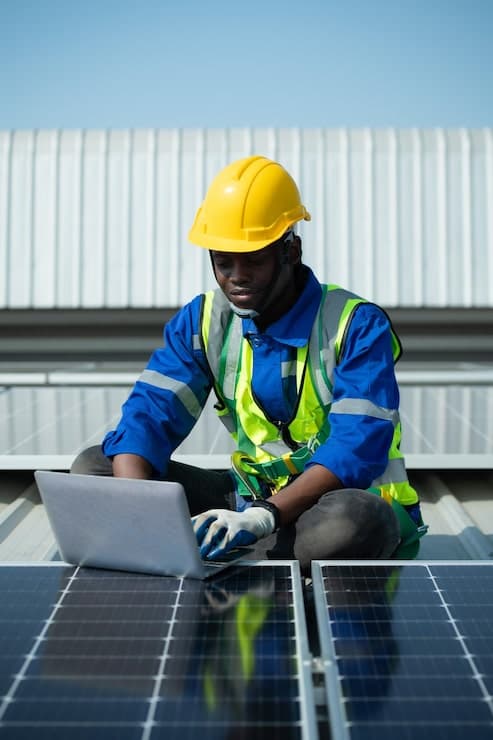
Our Team
Why Your Restaurant Needs a Reliable Solar System
Running a restaurant in Nigeria comes with its unique set of challenges, and arguably the most significant is the erratic power supply. For a business that relies heavily on refrigeration to keep ingredients fresh, ovens, blenders, and a well-lit ambiance for customers, power outages can lead to massive losses. Relying solely on diesel or petrol generators has become increasingly expensive due to rising fuel costs and maintenance requirements.
Transitioning to a solar power system is no longer just a luxury; it is a vital business strategy. A solar system guarantees that your food items stay frozen, your customers remain comfortable, and your operational costs are significantly reduced over time.
Key Components of a Restaurant Solar System
To fully understand what you are investing in, it is important to know the core components of a commercial solar setup.
Solar Panels
These are the power generators. For a restaurant, you will need high-efficiency monocrystalline panels that can harvest maximum sunlight even on cloudy days. Because commercial kitchens consume a lot of energy, a large array of panels is usually required, meaning you will need adequate roof space.
Inverters
The inverter converts the direct current generated by the solar panels into alternating current, which is what your restaurant appliances use. A hybrid inverter is highly recommended as it can seamlessly switch between solar power, battery storage, and the national grid.
Deep Cycle Batteries
Since restaurants often operate late into the night, battery storage is critical. Lithium-ion batteries are the best choice for commercial setups because they have a longer lifespan, discharge more efficiently, and require zero maintenance compared to traditional tubular or lead-acid batteries.
Charge Controllers
This device regulates the voltage and current coming from the solar panels to the batteries, preventing overcharging and extending the lifespan of your battery bank.
Assessing Your Restaurant's Power Needs
Before making a purchase, you must calculate your total energy load. Restaurants have high-energy appliances. Here is a breakdown of common items you might need to power:
- Commercial Freezers and Refrigerators: These must run 24/7 to prevent food spoilage.
- Air Conditioning Units: Essential for keeping the dining area comfortable for customers.
- Kitchen Appliances: Microwaves, blenders, commercial extractors, and food processors.
- Lighting: Both indoor ambient lighting and outdoor security lights.
- Electronics: Point of Sale systems, televisions, and sound systems.
By adding up the wattage of these appliances and multiplying by the number of hours they will be in use, you get your total daily energy requirement. You can check our calculator to get an estimate of what you might need.
Pros and Cons of Solar Power for Restaurants
Pros
- Massive Reduction in Operating Costs: Once installed, the energy generated is practically free, saving you millions of Naira annually on diesel and petrol.
- Uninterrupted Power: Say goodbye to the noise and fumes of generators, and enjoy seamless power transitions that keep your POS systems online and customers happy.
- Eco-Friendly: Operating a green business improves your brand image and appeals to environmentally conscious customers.
- Low Maintenance: Solar panels and lithium batteries require very little maintenance compared to internal combustion generators.
Cons
- High Initial Investment: The upfront cost for a commercial-grade solar system is significant.
- Space Requirements: Generating enough power for a restaurant requires a substantial amount of roof or ground space for the solar panels.
How to Choose the Right System Size
Choosing the right size is critical to ensuring you do not overspend or underpower your business. For a small cafe, a 5kVA to 10kVA system might suffice to run essential lighting, a freezer, and a coffee machine. However, for a mid-sized to large restaurant with multiple air conditioners and heavy-duty cold rooms, you will likely be looking at a 20kVA to 50kVA system.
It is always best to consult with professionals to conduct an energy audit of your premises. We offer specialized packages designed to meet various commercial requirements.
Maintenance Tips for Your Solar Investment
To get the most out of your solar system, basic maintenance is required:
- Clean the Panels: Dust and debris can reduce panel efficiency. Have them cleaned periodically, especially during the dry season.
- Monitor System Performance: Most modern inverters come with smart monitoring systems. Keep an eye on energy production and consumption to quickly identify any faults.
- Regular Inspections: Schedule annual check-ups with your installer to ensure all wiring and connections remain secure.
Frequently Asked Questions
Can a solar system power my commercial ovens and heavy heating equipment?
While it is technically possible, heating elements consume an enormous amount of electricity. It is usually more cost-effective to use gas for cooking and baking, while reserving the solar system for cooling, lighting, and electronic appliances.
How long do solar panels and batteries last?
High-quality solar panels can last 25 to 30 years with minimal degradation. Lithium-ion batteries typically last between 10 to 15 years depending on the depth of discharge and general usage.
Will the system work during the rainy season?
Yes. Solar panels generate electricity from light, not heat. While efficiency drops during heavy cloud cover, a properly sized system with adequate battery storage will still provide enough power to meet your needs.
Is financing available for commercial solar installations?
Depending on the scale of the project, we can discuss flexible payment plans or point you toward green energy financing options available through Nigerian financial institutions.
Take the Next Step for Your Business
Investing in a solar system is one of the smartest financial decisions you can make for your restaurant. It stabilizes your operations, reduces overhead, and allows you to focus on serving great food rather than worrying about the next power outage.
As your sure plug for reliable solar product supplier and installation, we at Rayspark Solar provides top-tier products to meet everyone's budget and exact needs. Call/WhatsApp: +234 706 482 6896 today to request a site assessment and a custom quote tailored perfectly for your restaurant!