.jpg&w=3840&q=75)

Solar for everyone: Pay Small Small
Don't let the cost stop you. Get this system installed today and pay in easy monthly installments over 6-24 months.
View Financing PlansAs your sure plug for reliable solar product supplier and installation, we at Rayspark Solar provides top-tier products to meet everyone's budget and exact needs. Call/WhatsApp: +234 706 482 6896
The cost of a solar system for a supermarket in Nigeria typically ranges from ₦5,000,000 to over ₦30,000,000 depending on the exact size of the supermarket, the total power draw of cooling appliances (like chest freezers, display chillers, and multiple air conditioners), heavy lighting requirements, and the desired backup duration. A reliable commercial setup usually requires high-capacity lithium battery banks, heavy-duty hybrid inverters, and high-efficiency solar panels designed to handle continuous commercial power loads efficiently without breaking down.

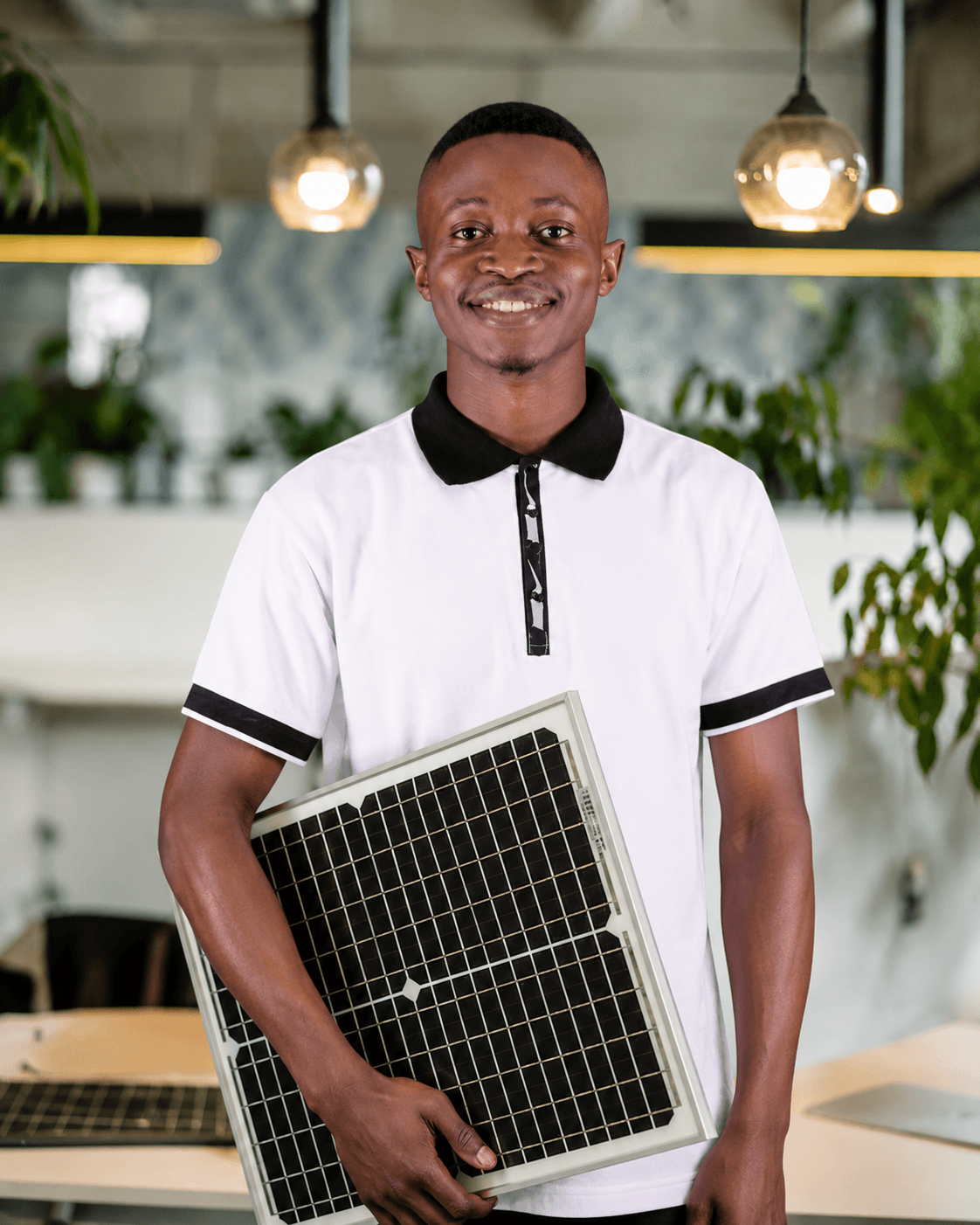
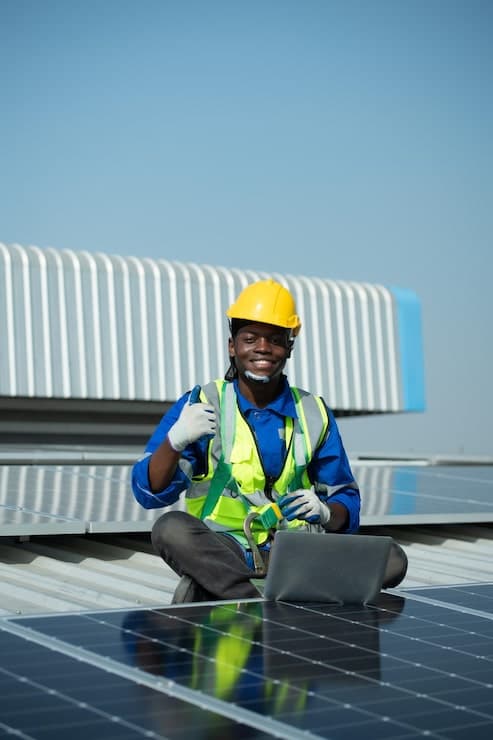
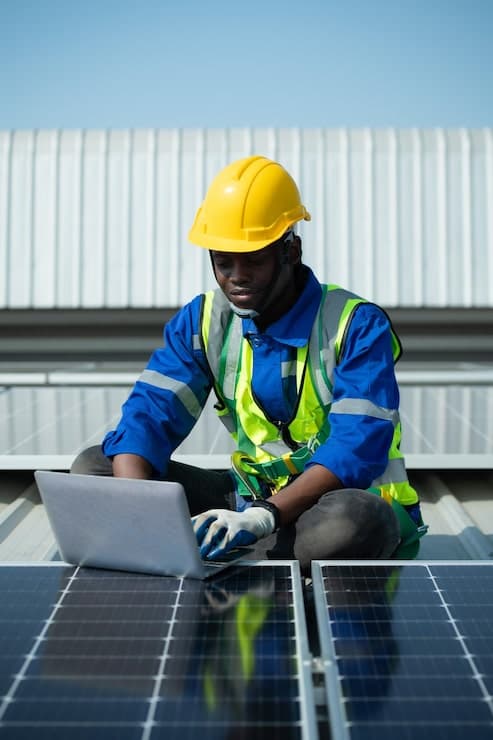
Our Team
The Rising Need for Solar Energy in Supermarkets
Operating a supermarket in Nigeria comes with significant overhead costs, and power generation often takes the absolute lion's share of monthly and annual expenses. Supermarkets rely heavily on continuous, uninterrupted electricity to power heavy appliances such as display freezers, cold rooms, air conditioning units, electronic payment terminals, and extensive overhead lighting arrays that must remain on all day. In a business environment characterized by an erratic grid power supply and continually soaring diesel prices, finding a cost-effective and highly reliable alternative is no longer a luxury but an absolute business necessity for survival.
Transitioning to a dedicated solar power system provides supermarket owners with true energy independence, highly predictable fixed power costs, and a sustainable way to keep perishable products fresh and visiting customers comfortable. By investing in a premium, commercial-grade solar power solution, retail businesses can drastically reduce their reliance on noisy, fuel-guzzling generators and unpredictable public grids, thereby protecting their profit margins from inflation and fuel scarcity.
How to Determine Your Supermarket Power Requirements
Before purchasing a solar system for your commercial retail space, it is critically important to perform a comprehensive energy audit. Sizing a system correctly ensures you do not under-power your critical loads, which could lead to system tripping, or overspend on unnecessary excessive capacity.
Identifying Critical Loads versus Non-Critical Loads
You must categorize all your appliances into critical and non-critical loads to prioritize energy usage effectively. Critical loads in a standard supermarket include:
- Deep freezers, cold rooms, and display chillers specifically for perishable goods like meat, dairy, and frozen foods.
- Point of Sale (POS) terminals, receipt printers, and backend computing systems.
- Security infrastructure, including CCTV cameras and automated doors.
- Essential overhead lighting required for staff to work and customers to shop safely.
Non-critical loads might include secondary, localized air conditioning units in break rooms or decorative exterior building lighting that can be temporarily switched off during prolonged grid outages or heavy cloud cover without halting business operations.
Calculating Total Wattage and Surge Demand
You need to sum the total running wattage of all devices you intend to power simultaneously. For commercial settings like supermarkets, where large compressor-based cooling systems are running constantly, calculating the "surge" or "starting" watts is vital. Compressors require three to five times their running wattage just to start. Therefore, it is highly recommended to consult with professional solar installers who can accurately calculate starting surges and continuous running watts to recommend the perfectly sized inverter.
Key Components of a Supermarket Solar Installation
A robust solar solution designed for heavy commercial use differs significantly from a standard residential setup meant for a few fans and a TV. It requires industrial-grade components capable of running continuously under heavy electrical strain.
High-Efficiency Solar Panels
To maximize daytime power generation, especially when commercial roof space might be limited relative to high power consumption, high-wattage monocrystalline solar panels (typically 500W and above) are strongly recommended. These advanced panels offer superior conversion efficiency and perform much better in the high-temperature environments typical across Nigeria.
Heavy-Duty Hybrid Inverters
The inverter acts as the central brain of your solar power system. For a medium to large supermarket, you will likely need a high-capacity three-phase hybrid inverter or multiple large single-phase inverters running in parallel. These industrial units must be robustly built to handle massive surge currents when multiple compressors in freezers or large air conditioners inevitably start up simultaneously.
High-Capacity Lithium-Ion Battery Storage
Traditional lead-acid or tubular batteries are generally inadequate for the heavy, repeated discharge cycles demanded by a bustling supermarket. High-capacity lithium iron phosphate (LiFePO4) batteries are the absolute gold standard for this application. They offer deeper safe discharge depths, exponentially faster charging times from both solar and grid, and a significantly longer lifespan, making them a far more cost-effective investment when evaluated over a ten-year horizon.
Pros and Cons of a Solar System for a Supermarket
Pros
- Massive Reduction in Operating Costs: Drastically cuts down daily diesel and petrol expenses, directly and immediately increasing your business profit margins.
- Uninterrupted Operations: Completely prevents the costly loss of perishable goods due to sudden power outages and keeps checkout systems running smoothly to avoid customer frustration.
- Low Maintenance: Unlike large diesel generators that require frequent oil changes, oil filter replacements, and expensive mechanical repairs, solar power systems have virtually no moving parts and require very minimal ongoing maintenance.
- Quiet and Clean: Eliminates the deafening noise and toxic exhaust fumes associated with running large generators, creating a far better, more premium shopping environment for your customers.
Cons
- High Initial Capital Outlay: Purchasing heavy-duty commercial inverters, large lithium battery banks, and numerous high-efficiency solar panels requires a significant upfront financial investment.
- Considerable Space Requirements: Generating enough power to run a supermarket requires a large, unshaded surface area for solar panel installation, which might be a constraint depending on the building's physical roof structure.
Expert Tips for Maximizing Your Solar Investment
To get the absolute most out of your solar installation and ensure rapid return on investment, consider the following expert best practices:
- Invest in Energy-Efficient Appliances: Replace old, power-hungry traditional freezers with modern, inverter-compressor models. This drastically reduces your total power requirement and significantly lowers the overall cost of the solar system needed to run them.
- Optimize Operating Hours: Try to run heavy power consumers (like water pumps, baking ovens, or secondary deep freezers) strictly during peak sunlight hours (typically 11 AM to 3 PM) when the solar panels are generating maximum direct output. This saves crucial battery power for the evening and nighttime hours.
- Regular Panel Cleaning: Dust, bird droppings, and debris can severely reduce solar panel efficiency by blocking sunlight. Schedule regular cleaning of the panels, especially during the dusty Harmattan dry season, to maintain optimal energy production.
- Professional Installation is Non-Negotiable: Commercial solar is complex engineering. Ensure you hire experienced, certified professionals who understand three-phase wiring, load balancing, and commercial system design. You can explore our solar packages to see structured options, or use our interactive solar calculator to estimate your specific needs before buying.
Frequently Asked Questions (FAQs)
Can a solar system completely replace my generator in a supermarket?
Yes, a properly sized solar system with adequate high-capacity battery storage can completely replace a generator. However, many practical supermarket owners prefer a hybrid approach, using solar as the primary 24/7 power source and keeping a standby generator strictly as an emergency backup for days with exceptionally poor weather or prolonged heavy rain.
How long do the solar batteries actually last?
High-quality lithium iron phosphate batteries, which are highly recommended for all commercial setups, typically last between 10 to 15 years depending on daily usage patterns, operating temperatures, and depth of discharge.
Will the system power all my large air conditioners and chest freezers?
Absolutely. The system can power any heavy appliance as long as the inverter and battery bank are designed and sized specifically to handle those high loads. An accurate energy audit prior to installation ensures all your heavy appliances are fully supported without overloading the system.
How much roof space do I need for the installation?
This strictly depends on your total energy requirements. Commercial systems for supermarkets can require anywhere from 20 to over 150 panels. If traditional roof space is insufficient or compromised, ground-mounted solar arrays or constructing solar carports in the customer parking area are excellent, dual-purpose alternatives.
Conclusion and Next Steps
Investing in a commercial-grade solar system for your supermarket is undoubtedly one of the smartest, most profitable decisions you can make to secure your retail business against perpetually rising energy costs. It ensures perfectly smooth daily operations, entirely protects your valuable perishable inventory from spoiling, and dramatically improves the overall shopping experience for your customers.
Ready to make the permanent switch to clean, reliable, and highly cost-effective power? Do not let erratic power outages and astronomically expensive diesel eat into your hard-earned profits for another month.
Call/WhatsApp Rayspark Solar today at +234 706 482 6896 to consult directly with our technical experts, request a comprehensive site inspection, and purchase the perfect commercial solar system customized for your supermarket!