.jpg&w=3840&q=75)
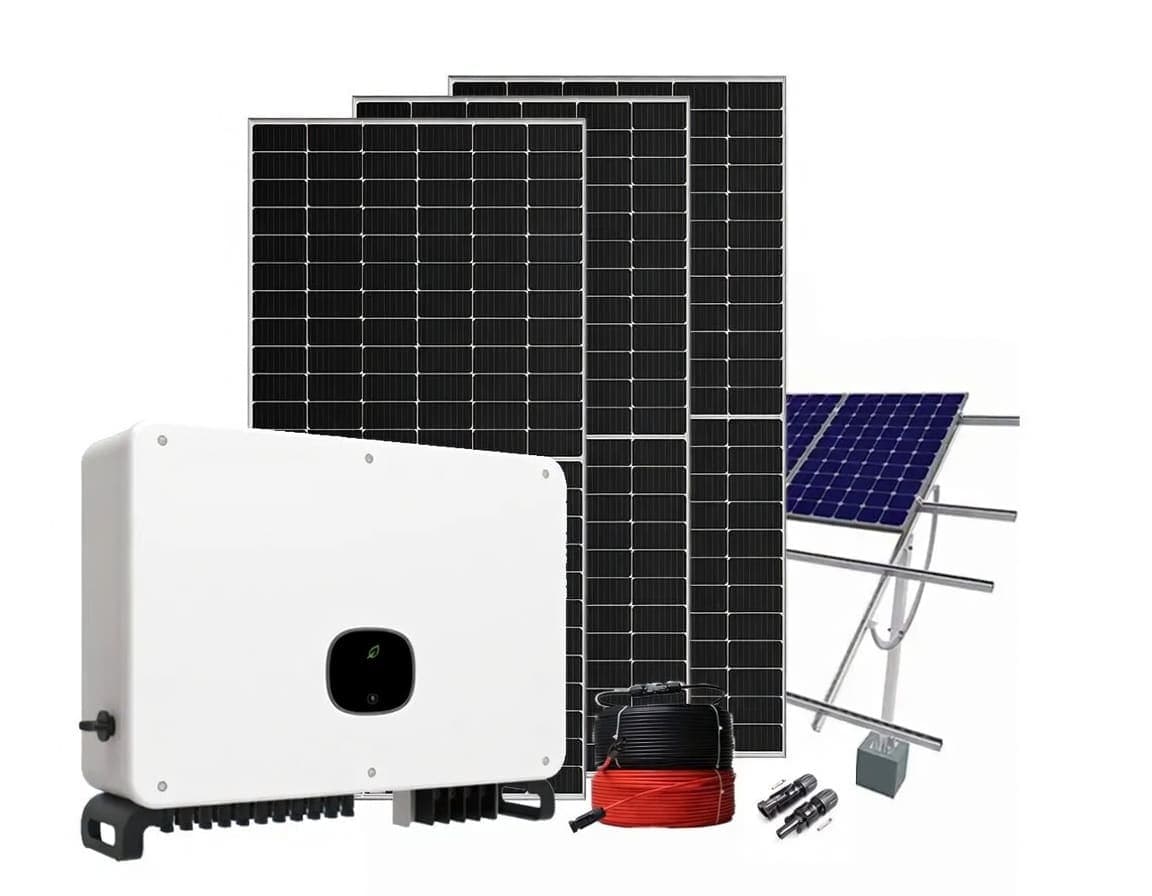
Solar for everyone: Pay Small Small
Don't let the cost stop you. Get this system installed today and pay in easy monthly installments over 6-24 months.
View Financing PlansAs your sure plug for reliable solar product supplier and installation, we at Rayspark Solar provides top-tier products to meet everyone's budget and exact needs. Call/WhatsApp: +234 706 482 6896
A solar solution solves power outages by utilizing solar panels to capture sunlight, converting it into direct current electricity, and storing it in deep-cycle batteries. An inverter then transforms this stored energy into alternating current to power your household appliances or office equipment seamlessly during a NEPA blackout, ensuring zero interruption to your activities.

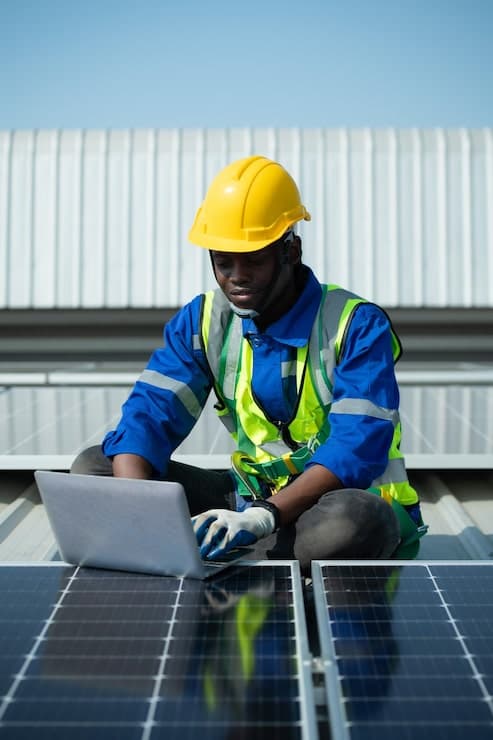
Our Team
Understanding the NEPA Problem in Nigeria
For decades, the unreliable power supply from the national grid, often colloquially referred to as NEPA (National Electric Power Authority) or currently as various DisCos (Distribution Companies), has been a significant hurdle for households and businesses across Nigeria. Frequent blackouts, power surges, and low voltage issues disrupt daily life, halt business operations, and lead to increased dependency on noisy and expensive petrol or diesel generators.
The financial burden of buying fuel daily, coupled with the rising cost of petroleum products, makes generators an unsustainable long-term solution. Furthermore, the environmental impact and noise pollution associated with generators severely affect the quality of life in residential areas and professional environments. This is why finding a robust and reliable alternative is critical for anyone looking to maintain a consistent power supply.
Why a Solar Solution is the Ultimate Answer
Transitioning to a solar energy system offers a permanent and highly effective remedy to the persistent power challenges in Nigeria. A well-sized solar installation provides clean, silent, and uninterrupted electricity, completely independent of the national grid.
Financial Savings
One of the most compelling reasons to adopt a solar solution is the massive reduction in operational costs. While the initial investment in solar panels, batteries, and inverters might seem substantial, the return on investment is relatively quick. Once installed, the energy from the sun is entirely free. You eliminate the daily or weekly expenses associated with purchasing generator fuel, as well as the recurrent maintenance costs of servicing generator engines. Over a few years, a solar system pays for itself multiple times over.
Reliability and Convenience
A solar power system, particularly one equipped with high-quality lithium-ion or tubular batteries, ensures you have power whenever you need it. The transition from grid power to battery power during a blackout is typically instantaneous, meaning your appliances, computers, and critical work tools will not turn off. This level of reliability is indispensable for professionals working from home, businesses requiring constant uptime, and households seeking comfort.
Environmental Benefits
Solar energy is a green and renewable resource. By relying on solar power, you drastically reduce your carbon footprint. Unlike generators that emit toxic fumes and contribute to air pollution, solar systems operate silently and cleanly, promoting a healthier living and working environment.
Components of a Complete Solar Solution
To effectively combat NEPA problems, you need a comprehensive solar setup tailored to your specific energy consumption.
Solar Panels
The solar panels are the heart of the system. They are responsible for capturing sunlight and generating direct current (DC) electricity. Depending on your energy needs, you may require multiple high-efficiency panels installed on your roof or a dedicated mounting structure.
Inverter
The inverter acts as the brain of the solar power system. It converts the DC electricity generated by the panels or stored in the batteries into alternating current (AC) electricity, which is the standard electrical format required to run your household and office appliances. Modern hybrid inverters can intelligently switch between solar power, battery power, and the grid to optimize efficiency.
Deep-Cycle Batteries
Batteries store the electrical energy generated by the solar panels during the day for use at night or during cloudy periods. Choosing the right battery technology, such as lithium iron phosphate (LiFePO4) or high-grade tubular lead-acid batteries, is crucial for longevity and performance.
Charge Controller
The charge controller regulates the voltage and current coming from the solar panels to the battery, preventing overcharging and extending the lifespan of your battery bank.
Pros and Cons of Solar Energy Systems
Pros
- Zero fuel costs and significantly reduced electricity bills.
- Silent operation without the noise pollution associated with generators.
- Clean energy with no harmful emissions or fumes.
- Low maintenance requirements compared to traditional mechanical generators.
- Increases the value of your property.
- Instant power switchover, ensuring appliances do not reboot during grid failures.
Cons
- High initial upfront cost for purchasing high-quality components.
- Requires adequate roof space or land area for panel installation.
- Power generation is dependent on weather conditions and sunlight availability.
Selecting the Right Capacity for Your Needs
Before purchasing a solar solution, it is essential to determine your total power requirement. This involves calculating the total wattage of all the appliances you intend to power simultaneously and deciding how many hours of backup you need.
For a basic setup to power lighting, fans, a television, and laptops, a 1kVA to 3kVA system is often sufficient. However, if you plan to run heavy appliances such as air conditioners, pumping machines, or deep freezers, you will need a more robust system, ranging from 5kVA to 10kVA or higher. At Rayspark Solar, we provide professional load assessment and consultation to ensure you get a system that perfectly matches your requirements without overspending.
Frequently Asked Questions
How long do solar panels last?
High-quality solar panels can last for 25 to 30 years with minimal degradation in performance, providing decades of reliable energy generation.
Can a solar system power my air conditioner?
Yes, a properly sized solar system with a sufficient inverter capacity and a robust battery bank can comfortably run air conditioners.
Do solar panels work during the rainy season in Nigeria?
Yes, solar panels still generate electricity on cloudy or rainy days, although the efficiency and output will be lower compared to a bright sunny day.
How much maintenance does a solar system require?
Solar systems require very little maintenance. Occasional cleaning of the solar panels to remove dust and debris, and periodic checks on battery connections, are usually sufficient to keep the system running optimally.
Contact Us Today
Investing in a solar solution is the smartest decision you can make to permanently resolve your power supply issues. Say goodbye to the noise, the fumes, and the endless expenses of generator fuel.
Take the final step toward uninterrupted power today. Contact Rayspark Solar, your trusted partner for premium solar products and expert installation. Call/WhatsApp: +234 706 482 6896 to discuss your energy needs, get a customized quote, and buy from the Rayspark Solar store!