.jpg&w=3840&q=75)
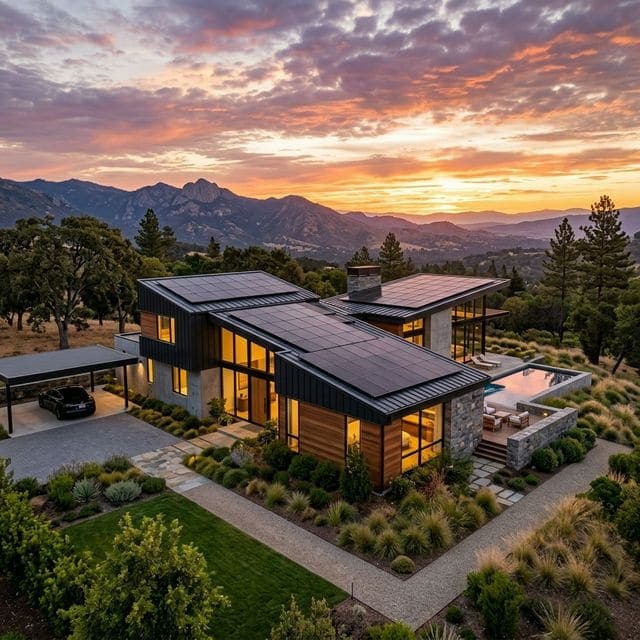
Solar for everyone: Pay Small Small
Don't let the cost stop you. Get this system installed today and pay in easy monthly installments over 6-24 months.
View Financing PlansAs your sure plug for reliable solar product supplier and installation, we at Rayspark Solar provides top-tier products to meet everyone's budget and exact needs. Call/WhatsApp: +234 706 482 6896
A complete solar system for homes in Nigeria typically costs between ₦500,000 and ₦10,000,000 depending on the required capacity, quality of components, and installation requirements. This complete system usually includes high-efficiency solar panels, a durable inverter, long-lasting batteries, and necessary installation accessories.
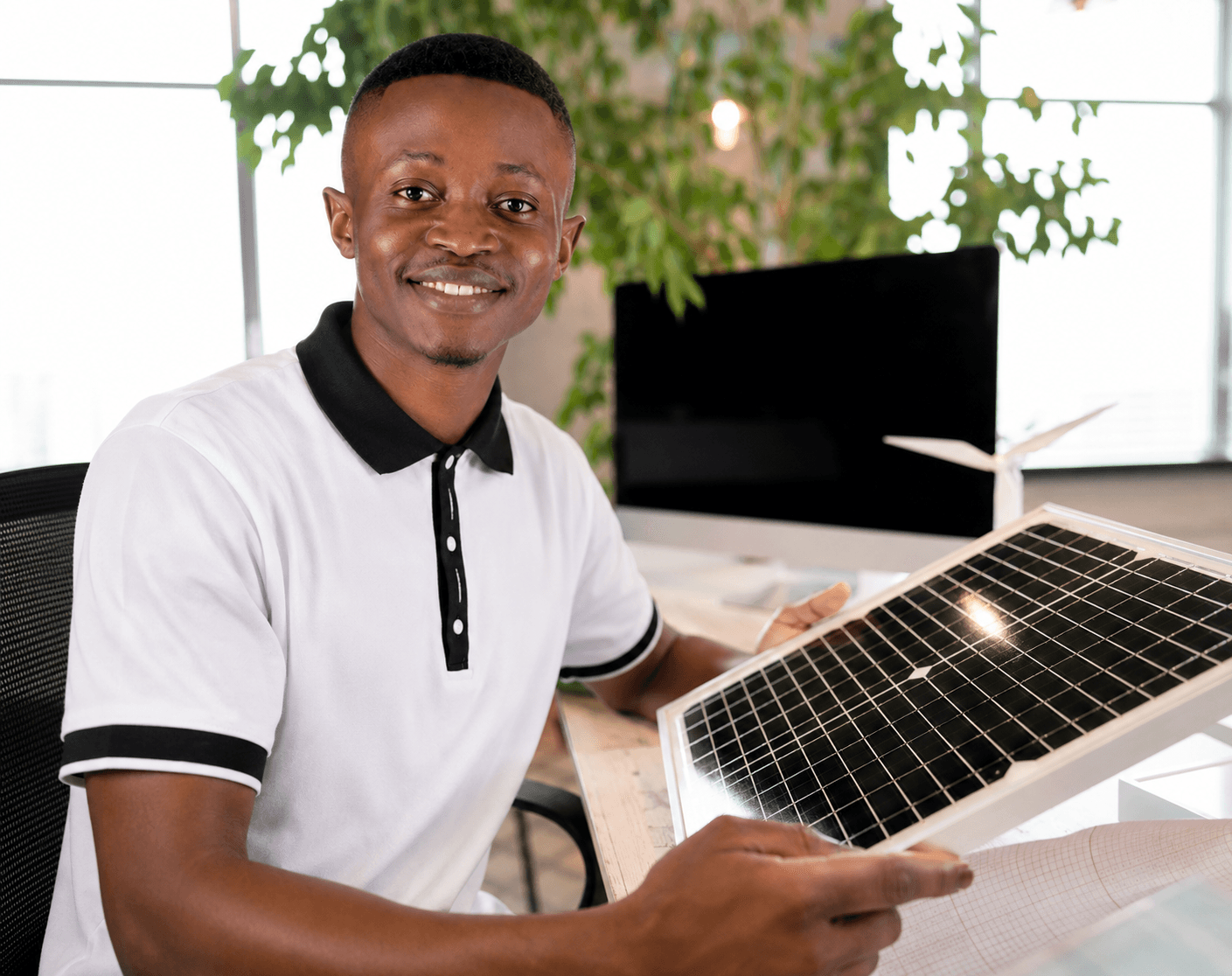
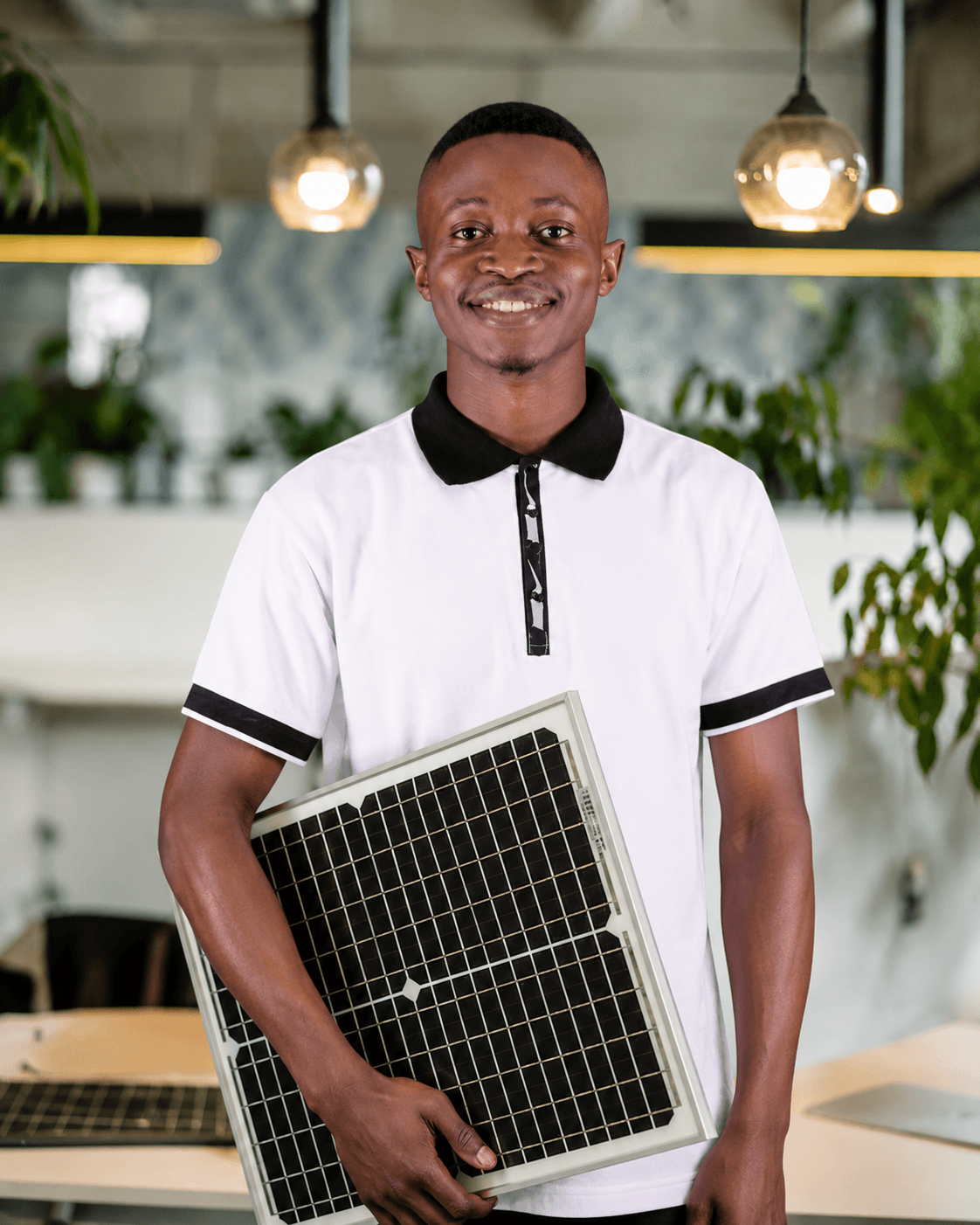
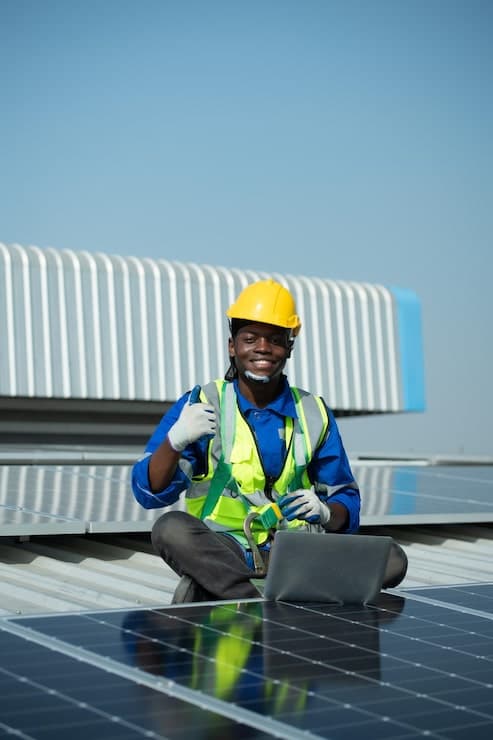
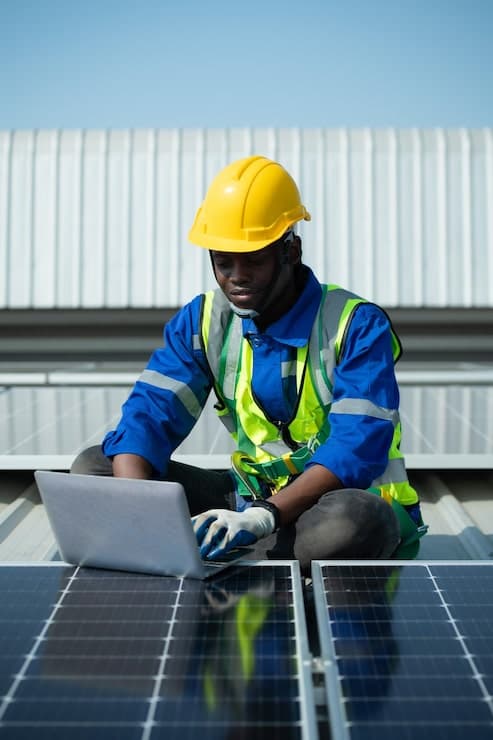
Our Team
What is a Home Solar System?
A home solar system is a power generation setup designed to capture energy from the sun and convert it into usable electricity for residential applications. In a country like Nigeria, where power supply can be highly erratic, having a dependable alternative source of electricity is no longer just a luxury but a necessity for comfortable living. A solar system provides this reliable power without the noise, pollution, and recurring fueling costs associated with traditional gasoline or diesel generators.
When you install a solar system, you are essentially establishing your own miniature power plant. The system harnesses sunlight during the day, powers your household appliances directly, and stores any excess energy in a battery bank. This stored energy is then utilized during the night or on cloudy days when sunlight is insufficient. This seamless transition ensures that your home remains powered around the clock, providing peace of mind and significantly reducing your dependence on the national grid.
Core Components of a Solar System
To understand how a solar system functions and why prices vary, it is essential to look at the core components that make up the entire setup.
Solar Panels
Solar panels are the most visible part of the system. They are typically mounted on the roof of your house and are responsible for capturing sunlight and converting it into direct current electricity. The quality, size, and number of panels determine how much power your system can generate. High-efficiency monocrystalline panels are usually recommended for homes in Nigeria because they perform exceptionally well even in varying weather conditions.
Inverters
The inverter is the brain of the solar system. The electricity generated by the solar panels is direct current, but most household appliances run on alternating current. The inverter's job is to convert the direct current into alternating current. It also manages the flow of electricity between the solar panels, the battery bank, and your home. Investing in a high-quality pure sine wave inverter is crucial to protect sensitive electronics like televisions and refrigerators.
Batteries
The battery bank is where the magic happens for night-time power. Since solar panels only generate electricity when the sun is shining, batteries store the excess energy produced during the day. In Nigeria, the two most common types of batteries used in home solar systems are tubular lead-acid batteries and lithium-ion batteries. While tubular batteries are more affordable initially, lithium-ion batteries offer a longer lifespan, better depth of discharge, and superior overall performance, making them a more cost-effective choice in the long run.
Charge Controllers
The charge controller regulates the voltage and current coming from the solar panels to the battery bank. It prevents the batteries from overcharging, which can cause severe damage and reduce their lifespan. Modern MPPT (Maximum Power Point Tracking) charge controllers are highly efficient and ensure that your batteries are charged optimally under all weather conditions.
Why You Need a Solar System for Your Home in Nigeria
Investing in a solar system offers numerous advantages that go beyond just having electricity.
Overcoming Unreliable Grid Power
The primary reason most Nigerians invest in solar energy is to counteract the frequent power outages from the national grid. A well-designed solar system provides uninterrupted power, ensuring that your daily activities, from working remotely to preserving food in the refrigerator, are not disrupted.
Eliminating the High Cost of Fuel
With the rising cost of petrol and diesel, running a traditional generator has become increasingly expensive. A solar system requires zero fuel to operate. Once the initial investment is made, the energy generated from the sun is entirely free. This translates to massive savings on monthly energy expenses, allowing the system to pay for itself over time.
Environmental Benefits and Quiet Operation
Generators produce harmful exhaust fumes and contribute significantly to noise pollution. A solar system, on the other hand, operates silently and produces zero emissions. This creates a healthier and more peaceful living environment for you and your neighbors, while also reducing your carbon footprint.
Estimated Prices of Solar Systems for Homes in Nigeria
The cost of a solar system varies based on the total load you intend to power and the specific components chosen. Here is a general breakdown of what to expect:
1kVA to 3kVA Systems (Small Homes and Basic Appliances)
These systems are ideal for small apartments or homes looking to power basic necessities. A 1kVA to 3kVA setup can comfortably run energy-efficient lighting, fans, a television, laptops, and charging mobile devices. Depending on the battery type and panel capacity, prices for these systems generally range from ₦500,000 to ₦1,500,000.
5kVA to 10kVA Systems (Medium to Large Homes)
For homes with higher energy demands, such as multiple air conditioners, large refrigerators, water pumps, and other heavy appliances, a 5kVA to 10kVA system is required. These robust setups provide substantial power and often utilize high-capacity lithium batteries. The cost for these premium systems typically falls between ₦2,500,000 and ₦8,000,000 or more, depending on the exact specifications and brand choices.
The Installation Process for Home Solar Systems
Understanding the installation process can help you prepare for the transition to solar energy. The process typically involves several key steps carried out by professional installers to ensure safety and optimal performance.
Site Assessment and Planning
Before any equipment is installed, a thorough site assessment is conducted. Technicians will evaluate your roof structure, orientation, and shading from nearby trees or buildings. This assessment helps determine the best location for the solar panels to capture maximum sunlight throughout the day. They will also inspect your electrical panel to ensure it can integrate safely with the new solar system.
Mounting the Solar Panels
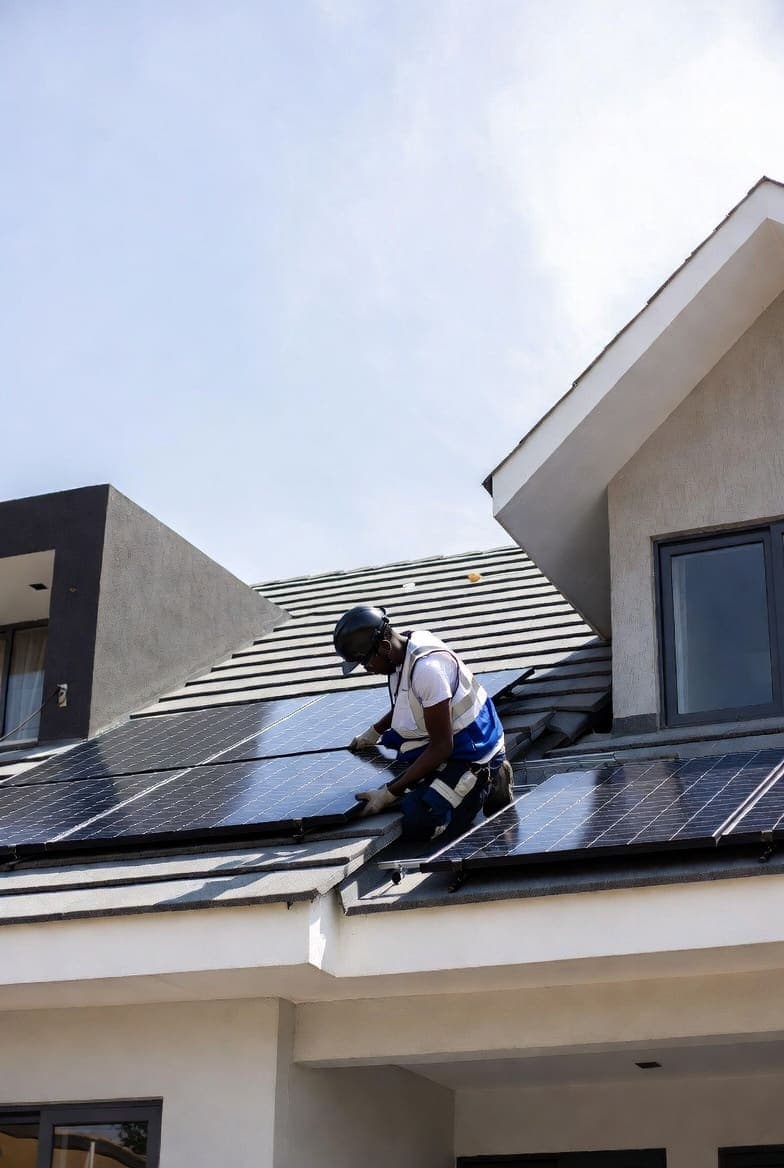
Once the planning is complete, the physical installation begins with the mounting system. Racking equipment is securely attached to your roof to hold the solar panels in place. It is crucial that this step is done correctly to prevent any roof leaks and to ensure the panels can withstand strong winds and harsh weather conditions. After the racks are secured, the panels are carefully mounted and wired together.
Installing the Inverter and Battery Bank
While the panels are being mounted on the roof, another team will set up the inverter and battery bank inside your home or in a dedicated utility room. These components must be installed in a well-ventilated, dry, and secure location. The wiring connecting the roof panels to the indoor equipment is routed neatly and safely, adhering to all electrical codes and standards.
System Testing and Commissioning
After all components are physically installed and wired, the entire system undergoes rigorous testing. Installers will verify the voltage, check for any faults, and ensure that the inverter is correctly converting the solar power for household use. Once testing is successful, the system is commissioned, and you will be given a walkthrough on how to monitor its performance and understand the basic controls.
Maintenance Requirements for Long-Term Efficiency
One of the most significant advantages of a home solar system is its low maintenance requirement. Unlike fuel generators that require frequent oil changes, filter replacements, and mechanical repairs, solar systems have no moving parts. However, a little routine care goes a long way in maximizing the lifespan and efficiency of your investment.
Routine Cleaning of Solar Panels
As mentioned in the FAQs, keeping your solar panels clean is the most common maintenance task. Depending on your location and the level of dust in the air, you may need to clean them every few months. Rinsing them with water early in the morning or late in the evening when the panels are cool is usually sufficient.
Battery Care and Monitoring
If your system uses lead-acid batteries, you may need to check the water levels periodically and top them up with distilled water as required by the manufacturer. Lithium-ion batteries, on the other hand, are virtually maintenance-free. Regardless of the battery type, it is important to monitor the charge controller to ensure the batteries are charging and discharging within safe parameters.
Professional Annual Inspections
It is highly recommended to schedule an annual inspection with your solar provider. A qualified technician will check all electrical connections, inspect the wiring for any signs of wear or pest damage, and verify that the inverter and other components are operating at peak efficiency. This proactive approach helps identify and resolve minor issues before they escalate into costly repairs.
Pros and Cons of Home Solar Systems
Before making a purchase, it is helpful to weigh the advantages and potential drawbacks.
Pros
- Provides a reliable power supply independent of the national grid.
- Drastically reduces or completely eliminates monthly fuel expenses for generators.
- Increases the overall value of your property.
- Requires very minimal maintenance compared to mechanical generators.
- Environmentally friendly with zero noise and air pollution.
Cons
- The initial upfront cost of purchasing and installing the equipment can be high.
- Requires adequate roof space with good sunlight exposure for panel installation.
- Batteries, especially lead-acid types, will eventually need replacement after a few years.
How to Choose the Right Solar System
Selecting the correct solar system requires careful consideration of your specific needs. The first step is to conduct an energy audit of your home. This involves listing all the appliances you want to power, their wattage, and the number of hours you plan to use them daily.
Once your total energy consumption is calculated, you can determine the appropriate inverter capacity, the number of solar panels required, and the size of the battery bank. It is highly recommended to consult with experienced professionals who can design a system tailored exactly to your requirements, rather than buying off-the-shelf kits that may not meet your expectations.
Frequently Asked Questions
Can a solar system power my air conditioner and pumping machine?
Yes, a properly sized solar system can power heavy appliances like air conditioners and water pumps. However, this requires a higher capacity inverter (usually 5kVA and above) and a substantial battery bank to handle the surge and continuous power draw.
How long do solar panels and batteries last?
High-quality solar panels can last for 25 years or more with minimal degradation in performance. The lifespan of batteries depends on the type; tubular batteries typically last 3 to 5 years, while premium lithium-ion batteries can last 10 to 15 years with proper care.
Do I need to clean my solar panels?
Yes, it is advisable to clean your solar panels periodically. Dust, bird droppings, and debris can accumulate on the surface and reduce their efficiency. Wiping them down with a soft cloth and water every few months ensures optimal energy generation.
Can I upgrade my solar system later?
Absolutely. A well-designed solar system is modular. You can always add more solar panels to increase power generation or expand your battery bank to store more energy as your household power demands grow.
Conclusion and Next Steps
Making the transition to solar energy is one of the best investments you can make for your home in Nigeria. It guarantees reliable power, saves you money on fuel, and provides a quieter, cleaner living environment. If you are ready to say goodbye to power outages and expensive generator maintenance, it is time to take action.
As your sure plug for reliable solar product supplier and installation, we at Rayspark Solar provides top-tier products to meet everyone's budget and exact needs. Call/WhatsApp: +234 706 482 6896 to speak with our experts today and get a customized quote for your home!