.jpg&w=3840&q=75)
Solar for everyone: Pay Small Small
Don't let the cost stop you. Get this system installed today and pay in easy monthly installments over 6-24 months.
View Financing PlansAs your sure plug for reliable solar product supplier and installation, we at Rayspark Solar provides top-tier products to meet everyone's budget and exact needs. Call/WhatsApp: +234 706 482 6896
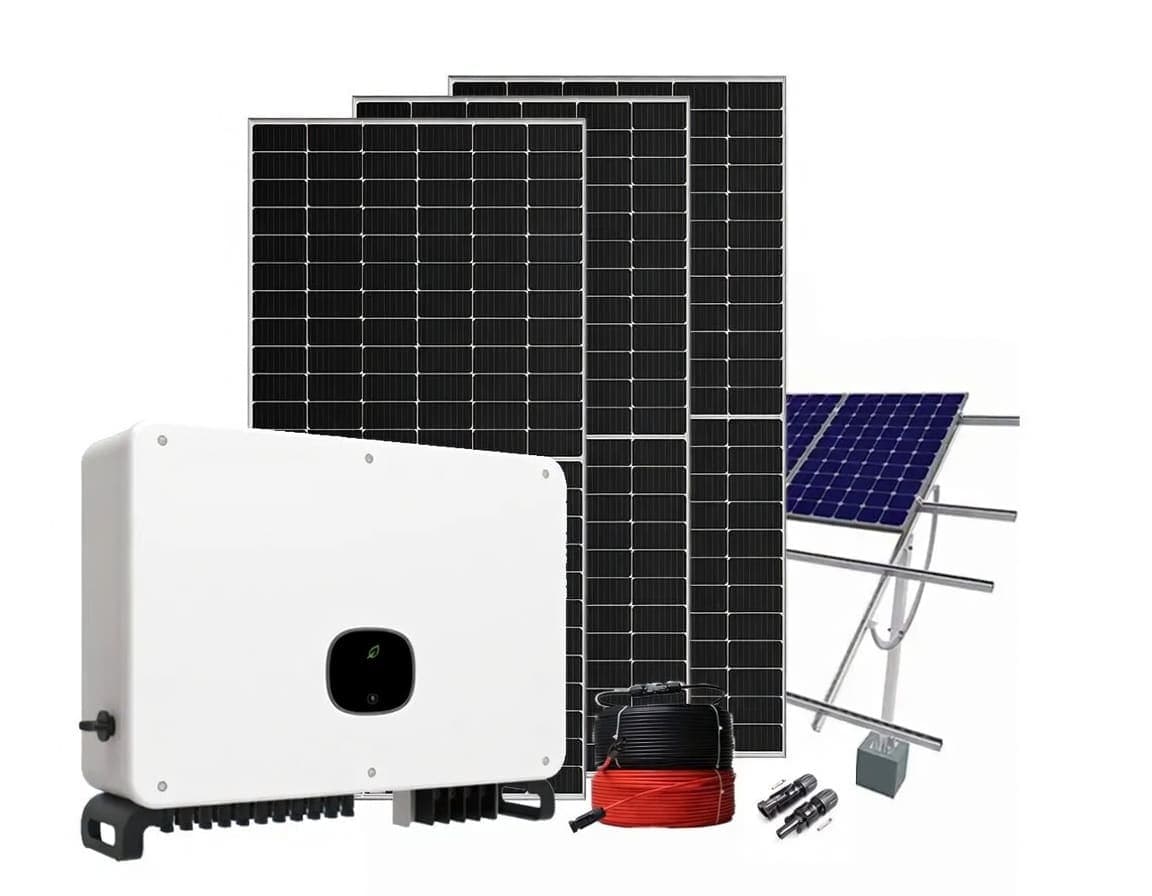
To power a standard air conditioner in Nigeria entirely on solar, you will typically need a 5kVA to 10kVA inverter system paired with at least 4 to 8 high-capacity solar panels (500W and above) and a robust lithium battery bank (e.g., 5kWh to 10kWh). Prices for a complete setup capable of running an AC usually start from 3.5 million Naira and can go up depending on the AC capacity (1 HP, 1.5 HP, or 2 HP) and your desired runtime.
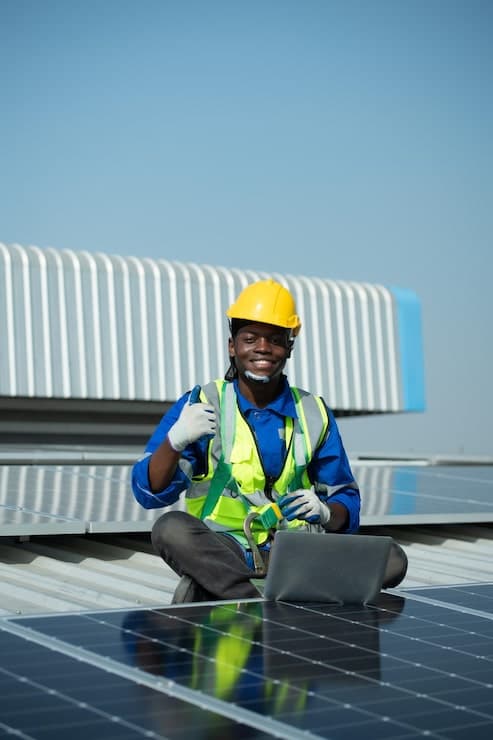
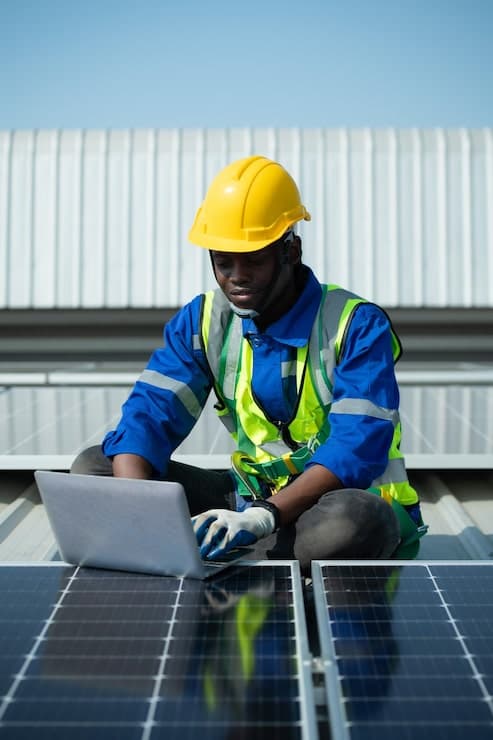
Our Team
Understanding the Energy Demands of Air Conditioners
Air conditioners are among the most energy-intensive appliances in any home or office. Unlike standard fans or televisions, an air conditioning unit contains a compressor that requires a significant surge of power to start up and a continuous, high draw of energy to maintain cooling. When planning a solar system that can power AC units, it is crucial to understand these power dynamics to avoid overloading your inverter or rapidly draining your batteries.
Typically, an air conditioner is rated in Horsepower (HP). A 1 HP unit might consume around 750 to 900 watts continuously, but it can draw two to three times that amount during startup. Older, non-inverter air conditioners have massive startup surges, making them challenging for smaller solar setups. Modern inverter air conditioners, however, ramp up their power draw gradually, making them much more compatible with solar power systems.
Choosing the Right Solar Setup for Your Air Conditioner
When sizing a solar system that can power AC units, the capacity of your solar inverter, the size of your battery bank, and the total wattage of your solar array must be carefully calculated. Here is a breakdown of what to expect based on the size of your AC unit.
For a 1 HP Air Conditioner
A 1 HP air conditioner is ideal for smaller rooms and typically consumes about 800 watts per hour when running. To power this efficiently:
- Inverter Capacity: A minimum of a 3kVA to 5kVA inverter is recommended to handle the startup surge and allow you to run other basic appliances simultaneously.
- Battery Bank: You will need a reliable battery setup, preferably a 5kWh lithium battery or four 220Ah tubular batteries, to keep the unit running for a few hours after sunset.
- Solar Panels: At least 4 to 6 units of 500W solar panels will ensure your batteries charge adequately during the day while the AC is running.
For a 1.5 HP Air Conditioner
A 1.5 HP unit is common for standard-sized living rooms and master bedrooms. It consumes approximately 1200 to 1500 watts continuously.
- Inverter Capacity: A 5kVA inverter is the absolute minimum here, though a 7.5kVA or 10kVA system provides a better safety margin.
- Battery Bank: A 10kWh lithium battery bank is highly recommended to provide sufficient backup power without deep discharging, which degrades battery life.
- Solar Panels: A minimum of 8 units of 500W to 550W solar panels is necessary to support the load and charge the batteries.
For a 2 HP Air Conditioner
Designed for large spaces, a 2 HP air conditioner draws significant power, often exceeding 1800 watts.
- Inverter Capacity: A 10kVA inverter or higher is required to manage this load alongside other household appliances.
- Battery Bank: You will need a substantial battery bank, typically 10kWh to 15kWh of lithium storage.
- Solar Panels: A large array of 12 or more 500W panels is essential for a reliable experience.
Key Components of a High-Capacity Solar Setup
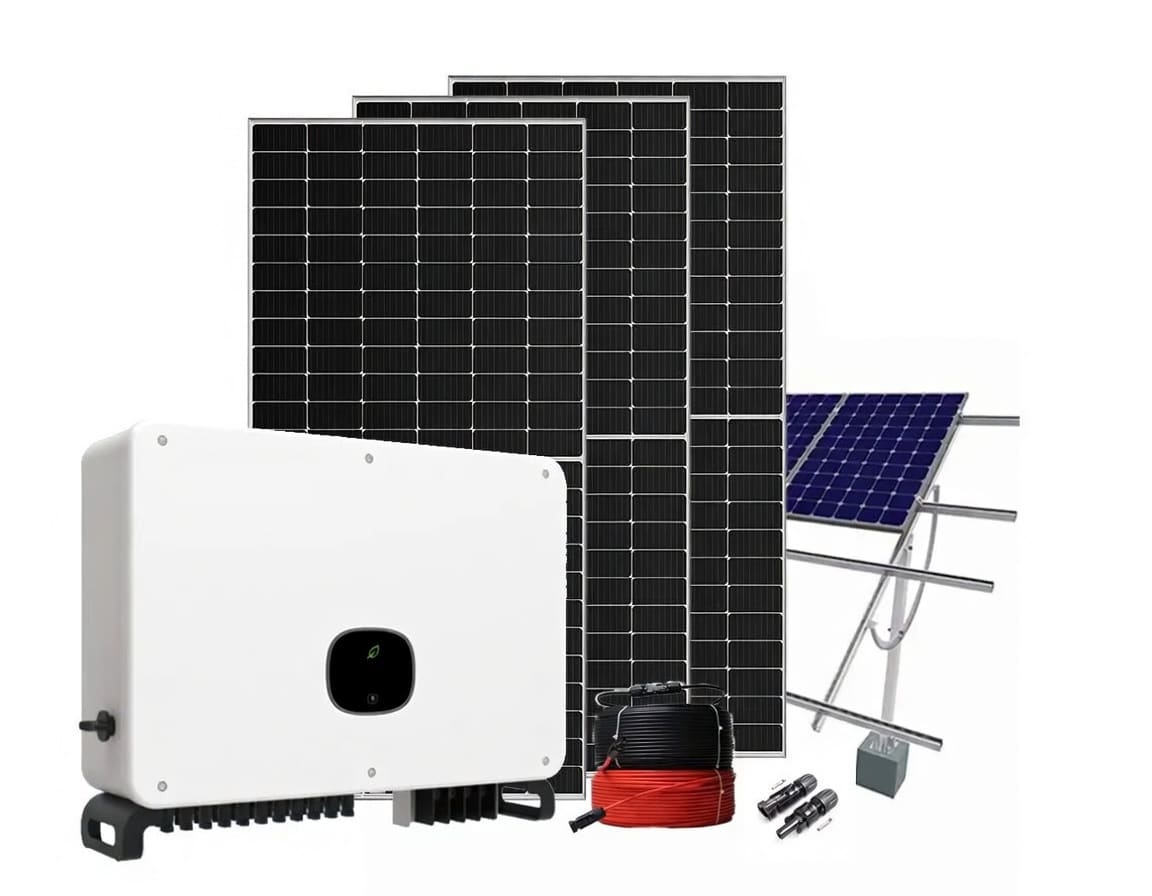
Building a reliable system requires selecting the right components. Each part plays a vital role in ensuring your air conditioner runs smoothly.
- The Solar Panels: These are the engines of your setup. For high-demand appliances, monocrystalline panels are the best choice due to their high efficiency and better performance in low-light conditions. You should look for panels with a rating of 500 watts or higher to maximize your roof space.
- The Inverter: The inverter converts the direct current (DC) generated by the panels into alternating current (AC) used by your appliances. A pure sine wave inverter is absolute necessary for running sensitive motors like those found in air conditioner compressors. Modified sine wave inverters can damage your AC and should be avoided entirely.
- The Charge Controller: Often built into modern hybrid inverters, the MPPT (Maximum Power Point Tracking) charge controller regulates the voltage and current coming from the panels to the battery. An MPPT controller is crucial as it extracts the maximum possible power from your array, which is essential when trying to run heavy loads.
- The Battery Bank: This is where energy is stored for nighttime use or when the sun goes behind a cloud. Lithium Iron Phosphate (LiFePO4) batteries are the gold standard here. They offer deep discharge capabilities, meaning you can use more of the stored energy without damaging the battery, and they last thousands of cycles longer than traditional lead-acid options.
Pros and Cons of a Solar System That Can Power AC
Investing in a high-capacity solar setup comes with various advantages and a few considerations.
Pros:
- Zero Running Costs: Once installed, you generate free electricity from the sun, eliminating exorbitant diesel or petrol generator costs.
- Silent Operation: Unlike noisy generators, solar systems operate silently, providing a peaceful environment for work or sleep.
- Uninterrupted Comfort: With a properly sized battery bank, you can enjoy cool air during grid outages without experiencing power cuts.
- Eco-Friendly: Solar power produces no emissions, reducing your carbon footprint and contributing to a cleaner environment.
Cons:
- High Initial Investment: Purchasing high-capacity inverters, large battery banks, and numerous panels requires a significant upfront cost.
- Space Requirements: You need adequate, unshaded roof space to install the necessary number of solar panels.
- Weather Dependent: Prolonged cloudy or rainy days can reduce solar generation, requiring careful energy management or occasional grid/generator backup.
Important Tips for Maximizing Efficiency
To get the most out of your solar system that can power AC, consider the following best practices:
- Invest in Inverter ACs: Always choose inverter-type air conditioners. They are highly energy-efficient and lack the harsh startup power surges that can trip solar inverters.
- Optimal Temperature Settings: Set your AC to a comfortable but reasonable temperature, such as 24 degrees Celsius. Lower temperatures force the compressor to work harder and consume significantly more power.
- Proper Insulation: Ensure your room is well-sealed. Keep windows and doors closed, and use heavy curtains to block out direct sunlight, reducing the cooling load on the AC.
- Daytime Running: Run your AC primarily during peak sunlight hours when your solar panels are generating maximum power. This saves your battery reserve for nighttime use.
Financing and Return on Investment
For many homeowners and business operators in Nigeria, the main barrier to acquiring a system capable of handling heavy cooling loads is the initial capital expenditure. However, it is essential to view this not as an expense, but as a long-term investment. Consider the cumulative costs of running a diesel generator for just five years, factoring in fuel, frequent oil changes, replacement parts, and the inevitable wear and tear. When compared to these ongoing expenses, a high-quality solar installation often reaches its breakeven point within a short time. After this period, the electricity you generate is essentially free. Furthermore, having a reliable power source increases the value of your property and drastically improves your quality of life. For more detailed insights on building your specific setup, you can refer to the extensive resources provided by the International Renewable Energy Agency (IRENA).
You can check out our solar packages to see various options or use our solar calculator to get a more personalized estimate based on your specific load requirements.
Frequently Asked Questions (FAQs)
Can a 3kVA solar system power an air conditioner? Generally, a 3kVA system is too small to reliably power a standard AC, especially non-inverter models, due to the high startup surge. However, it might run a very small, modern 1 HP inverter AC if all other appliances are turned off, but a 5kVA system is highly recommended for safety and longevity.
How many solar panels do I need to run a 1.5 HP AC? To run a 1.5 HP AC comfortably while charging your batteries, you will need at least 6 to 8 solar panels rated at 500W each.
Can I run my AC all night on solar power? Yes, but this requires a massive battery bank. Running an AC through the night relies entirely on stored energy. For a 1 HP AC, you would need at least a 10kWh lithium battery to run it overnight without damaging the battery.
Are lithium batteries necessary for powering ACs? While tubular lead-acid batteries can work, lithium batteries are highly recommended. They can handle heavy discharge rates better, charge faster, and have a significantly longer lifespan, making them ideal for heavy loads like air conditioners.
Make the Smart Switch Today
Investing in a robust power solution is a decision that guarantees long-term comfort and massive savings. Stop enduring the heat and the noise of expensive generators.
As your sure plug for reliable solar product supplier and installation, we at Rayspark Solar provides top-tier products to meet everyone's budget and exact needs. Call/WhatsApp: +234 706 482 6896 to get a free consultation and let us design the perfect solar system that can power AC for your home or business.