.jpg&w=3840&q=75)
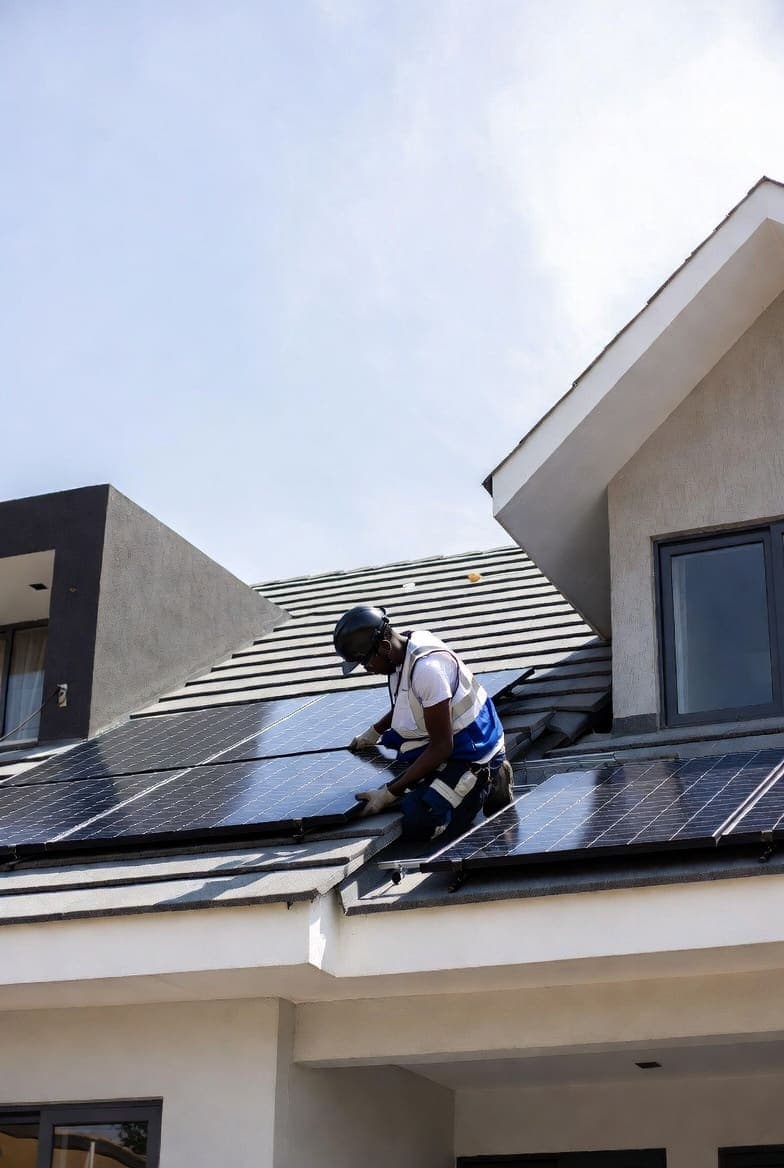
Solar for everyone: Pay Small Small
Don't let the cost stop you. Get this system installed today and pay in easy monthly installments over 6-24 months.
View Financing PlansAs your sure plug for reliable solar product supplier and installation, we at Rayspark Solar provides top-tier products to meet everyone's budget and exact needs. Call/WhatsApp: +234 706 482 6896.
To determine what size inverter you need, you should calculate your total running wattage by adding the power ratings of all the appliances you want to run simultaneously, then add an additional 20 to 30 percent safety margin to account for surge power and ensure the inverter does not operate at maximum capacity continuously.




Our Team
Understanding Inverter Sizing
When transitioning to solar energy or setting up a backup power system in Nigeria, one of the most critical questions homeowners and business operators face is determining the correct inverter capacity. The inverter is the heart of your power system. It converts the direct current produced by solar panels or stored in batteries into alternating current, which is the standard electrical format used by household and office appliances. Choosing the right size ensures that your system operates efficiently, safely, and reliably over a long lifespan.
Why Size Matters
Selecting an inverter that is too small for your power requirements will lead to frequent system overloads, automatic shutdowns, and potential damage to both the inverter and your appliances. Conversely, purchasing an oversized inverter represents an unnecessary financial expenditure and can lead to inefficiencies, as inverters typically operate best when loaded to a certain percentage of their rated capacity.
Step-by-Step Guide to Sizing Your Inverter
Step 1: Calculate Total Wattage
The first step in determining what size inverter you need is to conduct a load audit. This involves listing all the electrical appliances you intend to power at the same time. You can find the power rating (in watts) of most appliances on a label usually located at the back or bottom of the device.
For example:
- 4 LED Bulbs at 15W each = 60W
- 1 LED Television = 100W
- 2 Ceiling Fans at 70W each = 140W
- 1 Laptop Charger = 65W
- Total Continuous Load = 365W
Step 2: Account for Surge Power
Many appliances, particularly those with electric motors or compressors like refrigerators, air conditioners, and water pumps, require a substantial amount of extra power to start up. This is known as surge power or starting wattage. A standard rule of thumb is to multiply the continuous wattage of these specific appliances by two or three to estimate their surge requirements. Your inverter must be capable of handling this momentary spike in demand.
Step 3: Add a Safety Margin
It is highly recommended not to run an inverter at its absolute maximum capacity for extended periods. Doing so can cause the inverter to overheat and significantly reduce its operational lifespan. To ensure longevity and reliable performance, add a safety margin of at least 20 to 30 percent to your total calculated continuous wattage and surge wattage.
In our previous example with a total load of 365W, a 30 percent safety margin would be approximately 110W. Therefore, your total target capacity would be 475W. An inverter rated for 500W to 800W would be a suitable and safe choice for this specific setup.
Common Inverter Sizes and Their Applications
1kVA to 2kVA Inverters
These smaller capacity inverters are excellent for basic power backup needs in small apartments or shops. They can comfortably run essential lighting, televisions, fans, laptop computers, and mobile device chargers. They are not suitable for heavy appliances like air conditioners or large deep freezers.
3.5kVA to 5kVA Inverters
This range represents the most popular choice for average-sized homes and small to medium offices in Nigeria. An inverter in this capacity range can handle the basic loads mentioned above, alongside moderately heavy appliances such as a standard refrigerator, a pumping machine (depending on its horsepower), and perhaps a small, energy-efficient air conditioning unit.
7.5kVA to 10kVA Inverters and Above
Large residential properties and commercial establishments with significant power demands require heavy-duty inverters. These robust systems can support multiple air conditioning units, heavy medical or industrial equipment, large server rooms, and multiple high-capacity freezers.
Pros and Cons of Upgrading Your Inverter Size
Pros
- Future-Proofing: A larger inverter allows you to add more appliances to your household or office in the future without needing to replace your core power system.
- Improved Reliability: Operating well below maximum capacity reduces strain on the internal components, leading to fewer breakdowns and a longer overall lifespan.
Cons
- Higher Initial Cost: Larger capacity inverters are significantly more expensive to purchase.
- Increased Battery Requirements: A larger inverter often requires a more substantial battery bank (such as a 48V or 96V system instead of a 12V or 24V system) to operate efficiently, further increasing the initial investment cost.
Frequently Asked Questions (FAQs)
Can I run an air conditioner on a 2kVA inverter?
It is highly unlikely and generally not recommended. Most standard air conditioners have a high starting surge that a 2kVA inverter cannot handle. For an air conditioner, you typically need an inverter rated at 3.5kVA or higher, and it is crucial to ensure you have a sufficient battery bank to support the high power consumption.
What is the difference between Watts and Volt-Amperes (VA)?
Watts represent real power consumed by the appliance, while VA represents apparent power. Because inverters are not 100 percent efficient (this is known as the power factor), their rating in VA is usually higher than the actual Watts they can supply. Always check the power factor of the inverter to determine its actual output in Watts.
How do I know if I need a pure sine wave inverter?
Pure sine wave inverters produce clean, stable electricity identical to grid power. You must use a pure sine wave inverter if you plan to power sensitive electronics, medical equipment, modern televisions, or appliances with variable speed motors. Modified sine wave inverters are cheaper but can cause a hum in audio equipment and reduce the lifespan of some appliances.
Conclusion
Choosing the correct size inverter is a foundational step in building a reliable alternative power system. By carefully calculating your total load, factoring in surge requirements, and allowing for a safety margin, you can select an inverter that will provide years of uninterrupted service.
As your sure plug for reliable solar product supplier and installation, we at Rayspark Solar provides top-tier products to meet everyone's budget and exact needs. Call/WhatsApp: +234 706 482 6896. Contact us today to secure the best power solutions tailored to your unique requirements.