.jpg&w=3840&q=75)
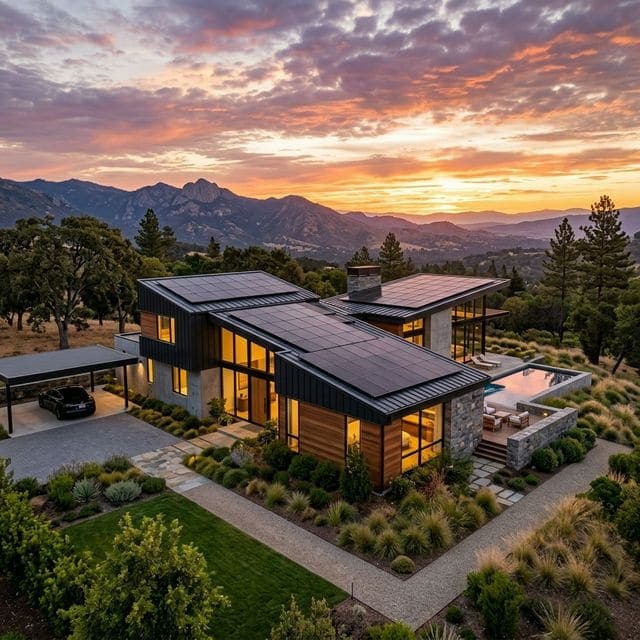
Solar for everyone: Pay Small Small
Don't let the cost stop you. Get this system installed today and pay in easy monthly installments over 6-24 months.
View Financing PlansAs your sure plug for reliable solar product supplier and installation, we at Rayspark Solar provides top-tier products to meet everyone's budget and exact needs. Call/WhatsApp: +234 706 482 6896
The right solar system for you depends entirely on your power consumption, your available roof space, and your budget. For a basic setup to power lights, fans, and a television, a 1kVA to 2kVA solar inverter system is sufficient. If you need to run heavy appliances such as air conditioners, pumping machines, and refrigerators, you should consider a 5kVA to 10kVA solar system. Assessing your total energy load is the critical first step before making a purchase.
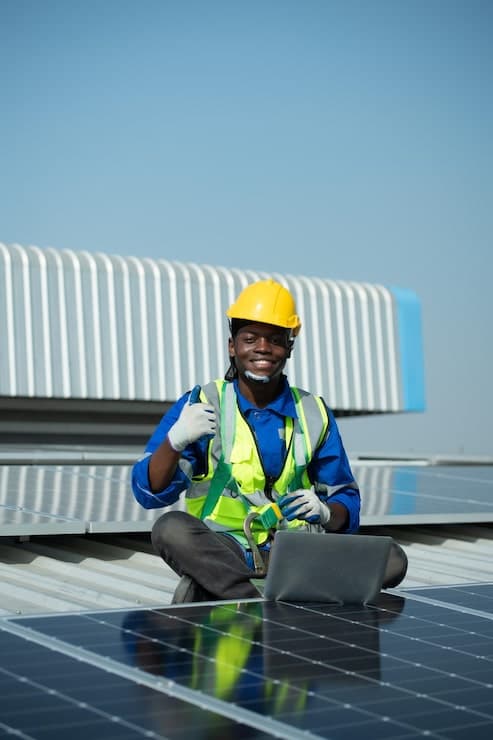
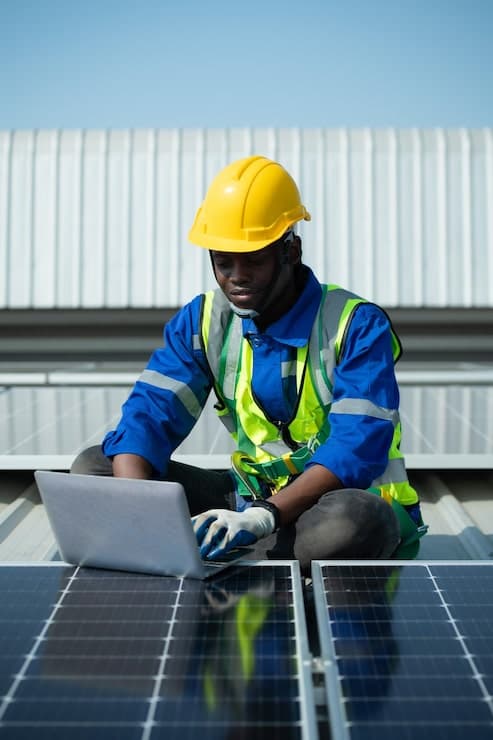
Our Team
Understanding Solar Energy Needs in Nigeria
Nigeria faces unique energy challenges characterized by frequent grid power outages. This has made solar energy not just an alternative, but a necessity for homes and businesses seeking uninterrupted power supply. However, navigating the market can be daunting. With various components like solar panels, inverters, and batteries, understanding how they work together is essential for making an informed decision.
When you ask "which solar system should I buy," you are essentially asking how to match your daily energy usage with the right solar hardware. Buying an undersized system will leave you frustrated with power cuts, while buying an oversized system may strain your finances unnecessarily.
Assessing Your Power Consumption
Before diving into specific product recommendations, you must calculate your energy requirements. This involves listing all the appliances you intend to power simultaneously and noting their wattage.
Basic Appliances
For basic household or small office needs, your appliance list might include:
- LED Bulbs (10W - 15W each)
- Ceiling or Standing Fans (60W - 80W each)
- Laptops (50W - 80W)
- Televisions (100W - 150W)
If your power needs fall strictly into this category, a small-scale solar setup will be highly efficient and cost-effective.
Heavy-Duty Appliances
If your lifestyle or business operations demand higher power, you must account for:
- Refrigerators and Freezers (200W - 800W)
- Air Conditioners (1000W - 2500W)
- Water Pumping Machines (750W - 1500W)
- Washing Machines (500W - 1000W)
To get an accurate estimate of your requirements, you can use our Solar Calculator to determine the exact system size needed for your property.
Types of Solar Systems Available
There are three primary categories of solar power systems. Understanding these will help narrow down your choices.
1. Off-Grid Solar Systems
An off-grid system operates entirely independently of the national power grid. It relies heavily on solar panels to generate electricity during the day and deep-cycle batteries to store power for nighttime use.
Pros:
- Complete independence from grid power failures.
- No monthly electricity bills.
- Ideal for remote areas without grid access.
Cons:
- Requires a larger battery bank, increasing the initial cost.
- Demands careful energy management during extended rainy or cloudy days.
2. Grid-Tied Solar Systems
Grid-tied systems are connected to the national utility grid. They do not typically require batteries. You use solar power during the day, and draw from the grid at night.
Pros:
- Lower initial investment since no batteries are required.
- Highly efficient for businesses operating primarily during daylight hours.
Cons:
- If the grid goes down, the solar system also shuts down for safety reasons.
- Not ideal for areas with severe grid instability.
3. Hybrid Solar Systems
A hybrid system combines the best of both worlds. It connects to the grid but also includes a battery backup. It prioritizes solar power, uses the grid as a backup, and stores excess energy in batteries for use during outages.
Pros:
- Provides uninterrupted power supply.
- Flexible energy management.
- Maximizes the return on investment.
Cons:
- More complex installation.
- Higher initial cost compared to purely grid-tied systems.
System Size Recommendations
Based on typical usage patterns in Nigeria, here are some standard solar system sizes and what they can power:
1kVA - 2kVA Solar Inverter Systems
This is the entry-level system for individuals seeking relief from power outages for basic needs.
- Ideal for: 1-2 bedroom apartments or small shops.
- Can power: Lights, fans, a TV, a laptop, and phone chargers.
- Limitations: Cannot power heating or cooling appliances.
3kVA - 5kVA Solar Inverter Systems
This is the most popular choice for average households and medium-sized offices.
- Ideal for: 3-4 bedroom flats and standard office spaces.
- Can power: All basic appliances plus a medium-sized refrigerator, a washing machine, and occasionally a low-energy inverter air conditioner (strictly managed).
- Limitations: Heavy simultaneous use of heating appliances will drain the battery quickly.
10kVA and Above Systems
Designed for large homes, hospitals, and heavy commercial use.
- Ideal for: Duplexes, large offices, and industrial facilities.
- Can power: Multiple air conditioners, deep freezers, pumping machines, and all standard household appliances simultaneously.
- Limitations: Requires significant roof space for solar panels and a substantial budget.
Check out our Solar Packages to see detailed breakdowns of these systems.
Key Factors to Consider Before Buying
Battery Technology: Lithium-ion vs. Tubular
The battery bank is the heart of your off-grid or hybrid system. You have two main choices:
- Tubular Lead-Acid Batteries: More affordable upfront but require regular maintenance and have a shorter lifespan (typically 3 to 5 years).
- Lithium-ion Batteries: More expensive initially, but they require zero maintenance, offer deeper discharge rates, and last significantly longer (up to 10 years or more).
Solar Panel Quality
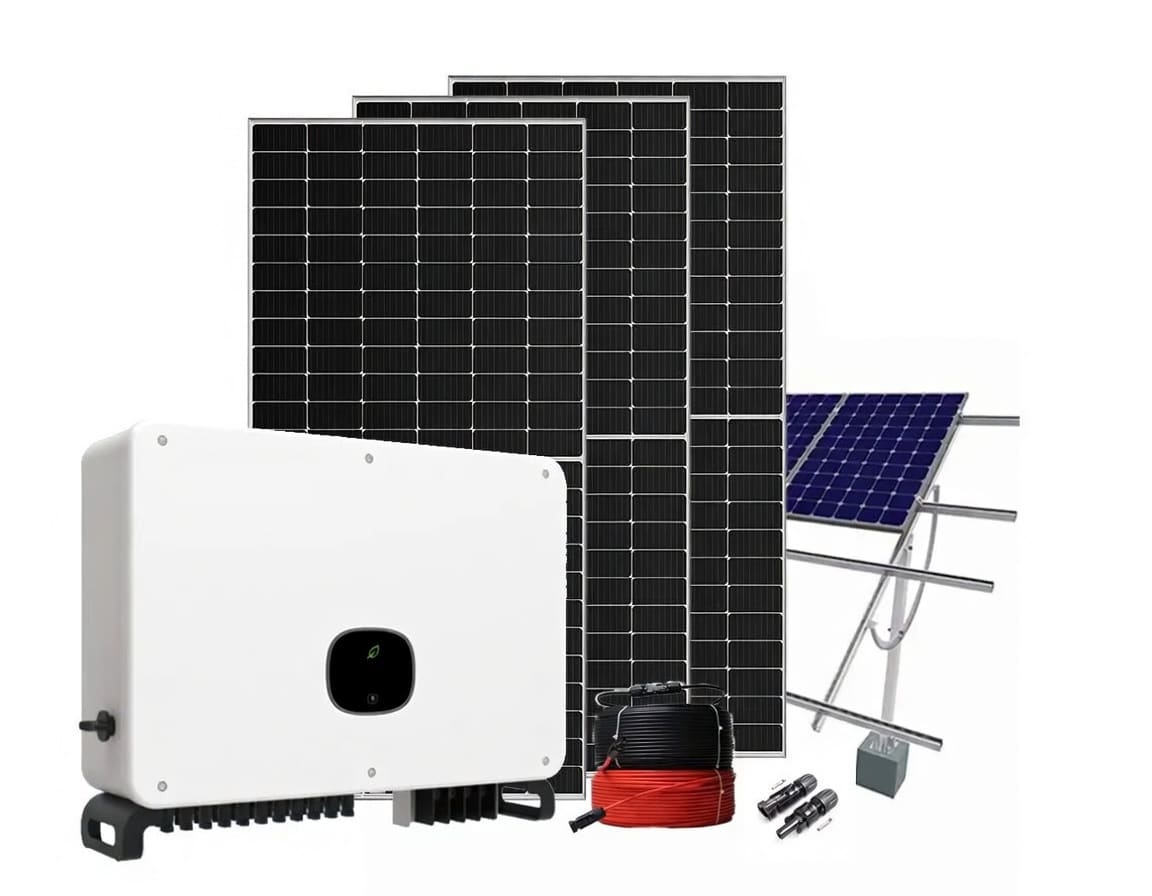
Always opt for Tier 1 Monocrystalline solar panels. They are more efficient in converting sunlight into electricity, especially in low-light conditions, compared to Polycrystalline panels.
Installation Expertise
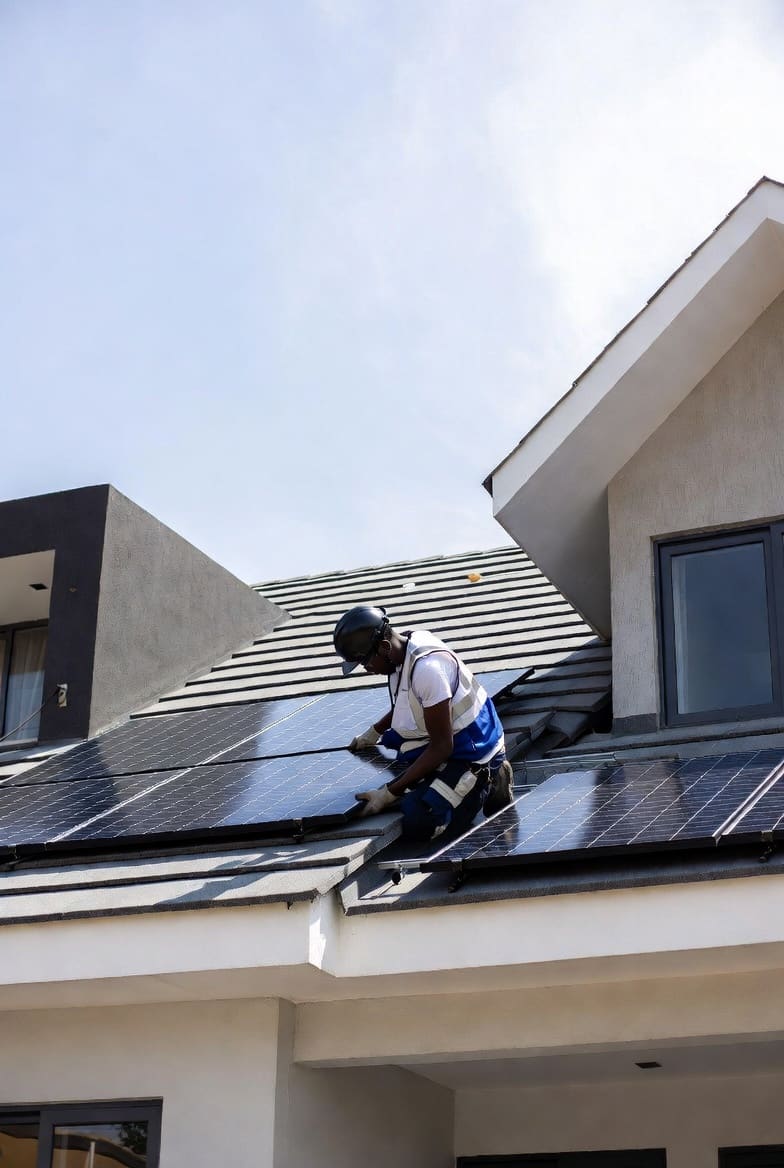
Even the best solar components will fail if installed poorly. It is crucial to hire experienced professionals who understand load balancing, wiring standards, and optimal panel placement.
Frequently Asked Questions
How long do solar panels last?
High-quality solar panels can last between 25 to 30 years with minimal degradation in efficiency. They require very little maintenance other than occasional cleaning to remove dust.
Can solar systems run air conditioners?
Yes, solar systems can run air conditioners. However, you will need a robust system, typically starting from 5kVA, paired with a sufficient battery bank and adequate solar panels to handle the heavy surge and continuous power draw.
Is solar energy expensive in Nigeria?
While the initial setup cost is a significant investment, solar energy is highly cost-effective in the long run. When you calculate the money saved from not buying fuel or diesel and reduced electricity bills, the system usually pays for itself within 2 to 4 years.
How many solar panels do I need for a 3-bedroom flat?
This depends on your appliance load, but typically, a 3-bedroom flat utilizing a 3kVA or 5kVA inverter system will require between 4 to 8 solar panels (ranging from 400W to 550W each).
Conclusion
Deciding which solar system to buy does not have to be a complicated process. By accurately assessing your energy needs, choosing the right system type, and investing in quality components, you can enjoy years of reliable, clean energy. Remember that cheaper is not always better when it comes to solar technology; prioritizing quality ensures longevity and peace of mind.
Ready to make the switch to reliable power? As your sure plug for reliable solar product supplier and installation, we at Rayspark Solar provides top-tier products to meet everyone's budget and exact needs. Call/WhatsApp: +234 706 482 6896 today, and let our experts design the perfect solar system for your home or business!