.jpg&w=3840&q=75)
Solar for everyone: Pay Small Small
Don't let the cost stop you. Get this system installed today and pay in easy monthly installments over 6-24 months.
View Financing PlansAs your sure plug for reliable solar product supplier and installation, we at Rayspark Solar provides top-tier products to meet everyone's budget and exact needs. Call/WhatsApp: +234 706 482 6896
Nigerian homeowners are rapidly transitioning from fuel-dependent generators to solar energy systems due to the escalating costs of petrol and diesel, frequent and unpredictable national grid outages, and the significant long-term financial advantages of renewable energy. Solar power provides a clean, silent, and highly dependable alternative that ultimately saves households hundreds of thousands of Naira annually while ensuring a seamless, uninterrupted power supply for daily living and essential home appliances.

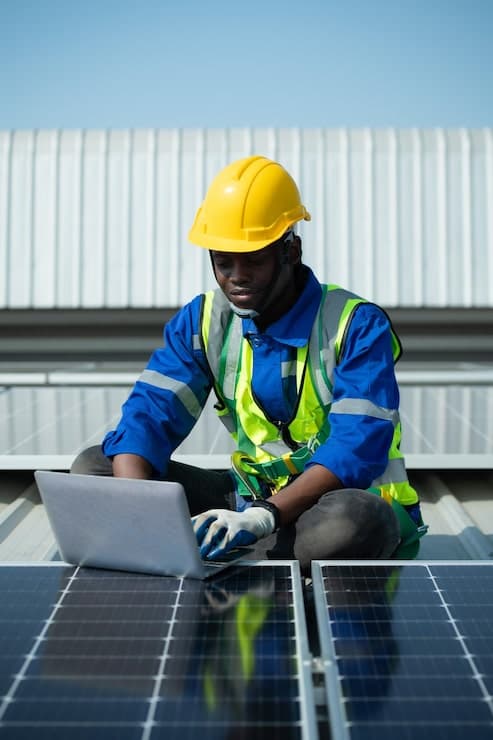
Our Team
The Core Reasons Behind the Massive Shift to Solar Energy
The landscape of energy consumption in Nigeria is undergoing a massive transformation. For decades, the ubiquitous noise of petrol and diesel generators was the standard soundtrack of Nigerian neighborhoods. However, this is changing quickly. Here is an in-depth look at why homeowners are making the permanent switch to solar energy.
1. Escalating Fuel and Ongoing Maintenance Costs
The most prominent driver of the solar revolution in Nigeria is the economic reality of running a generator. With the removal of fuel subsidies and the global fluctuations in oil prices, the cost of petrol and diesel has skyrocketed. Homeowners find themselves spending exorbitant amounts weekly just to keep the lights on, power refrigerators, and run air conditioners.
Beyond the cost of fuel, generators require frequent servicing. You have to change the oil, replace spark plugs, fix carburetors, and occasionally overhaul the entire engine. Over a year, these maintenance costs compound significantly. In contrast, once a solar energy system is installed, the "fuel" is abundant, free sunlight. Solar panels have no moving parts, meaning maintenance is virtually non-existent aside from occasional cleaning.
2. Unreliable National Grid Power Supply
Dependence on the national grid is often a frustrating experience due to frequent collapses, load shedding, and erratic voltage fluctuations that can damage sensitive household appliances. For professionals working from home, students relying on the internet, or families simply wanting comfort, power interruptions are highly disruptive. Solar power provides energy independence. With a properly sized solar inverter and battery storage system, your home remains powered 24/7, completely isolated from the inconsistencies of the public grid.
3. Elimination of Noise and Air Pollution
Generators are notoriously loud and emit toxic fumes, including carbon monoxide, which poses serious health risks to families. The constant vibrating hum of a generator can cause noise fatigue and disrupt sleep patterns. Solar energy systems operate in absolute silence. There are no exhaust fumes, no oil spills, and no vibrating engine blocks. Switching to solar instantly elevates the peace, quiet, and air quality of your immediate living environment, creating a healthier home for you and your loved ones.
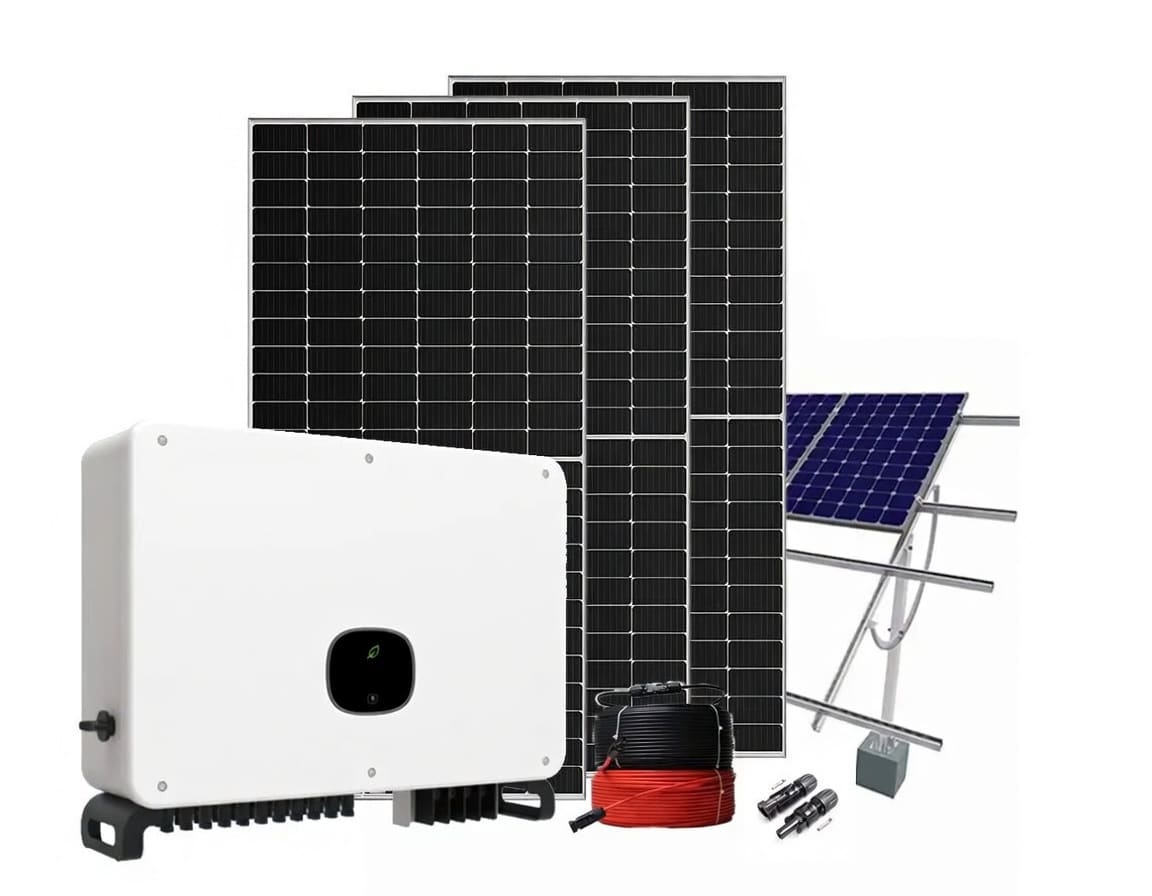
Understanding How Solar Energy Works for Your Home
To appreciate the value of solar power, it is helpful to understand the basic components that make up a residential system:
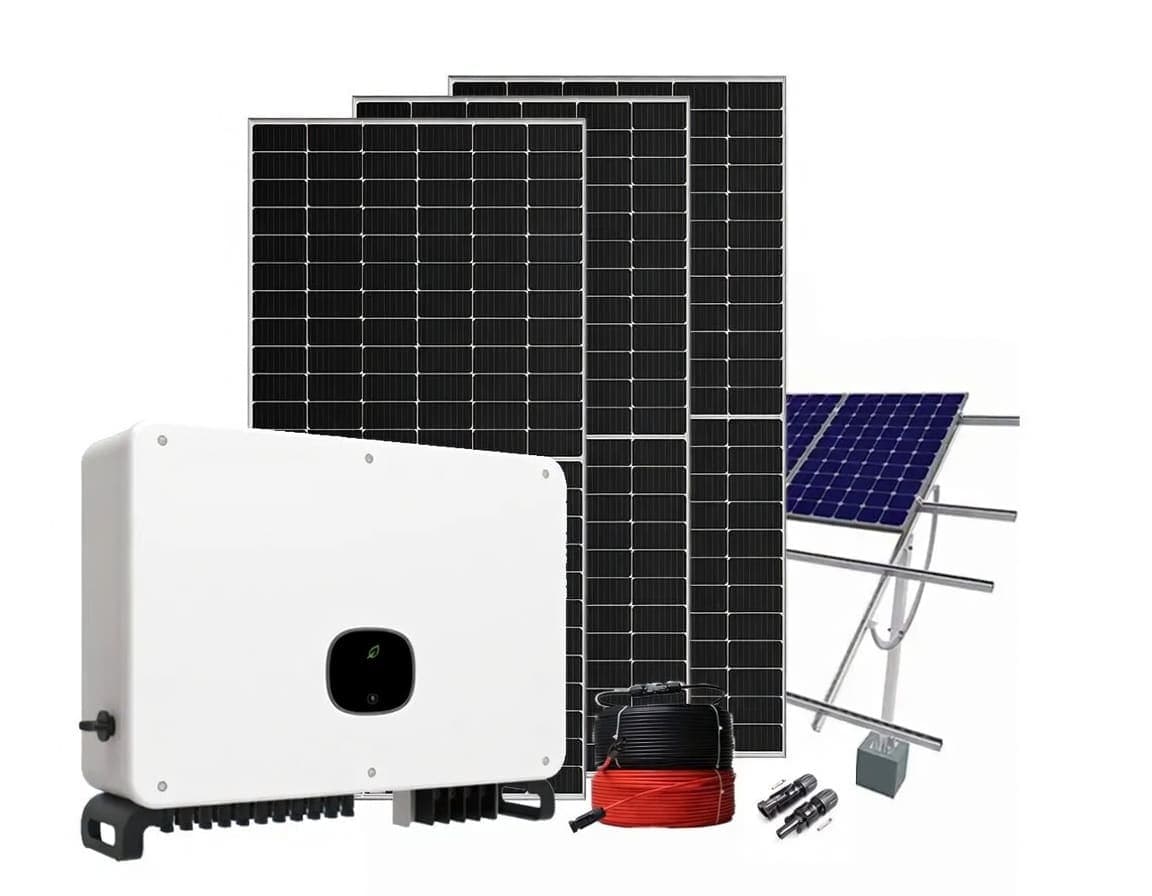
- Solar Panels: Installed on your roof, these panels capture sunlight and convert it into direct current (DC) electricity.
- Inverter: This crucial device converts the DC electricity generated by the panels into alternating current (AC) electricity, which is the standard format used by your household appliances.
- Batteries: Because the sun does not shine at night, batteries store the excess energy generated during the day. This stored power is then utilized during the evening, night, or on particularly cloudy days.
- Charge Controller: This regulates the voltage and current coming from the solar panels going to the battery, preventing overcharging and extending battery life.
Pros and Cons of Switching to Solar Energy
While the benefits are overwhelming, making an informed decision requires looking at both sides of the equation.
Pros of Solar Power
- Massive Reduction in Energy Bills: Once your system is fully paid for, your electricity generation is essentially free, shielding you from rising utility tariffs and fuel prices.
- Noise-Free Operation: Enjoy the tranquility of your home without the intrusive roar of a generator.
- Minimal Maintenance Requirements: Solar panels are highly durable and typically come with warranties lasting up to 25 years. They require very little upkeep.
- Environmentally Friendly: By utilizing renewable energy, you significantly reduce your household's carbon footprint, contributing to a cleaner, greener planet.
- Increased Property Value: Homes equipped with robust solar installations are often valued higher and are more attractive to potential buyers or tenants.
Cons of Solar Power
- High Initial Setup Cost: The upfront capital required to purchase quality panels, deep-cycle or lithium batteries, and a reliable inverter can be substantial. However, this should be viewed as a long-term investment rather than an expense.
- Space Requirements: Depending on your energy needs, you may require significant roof space to accommodate the necessary number of solar panels.
- Weather Dependence: Energy production drops during heavy rain or heavily overcast days, making battery storage an absolute necessity for continuous power.
What to Consider Before Buying a Solar System
Before you dive in, it is crucial to assess your specific needs to ensure you get a system that serves you perfectly.
- Conduct an Energy Audit: Calculate the total wattage of all the appliances you intend to power simultaneously. This will determine the capacity of the inverter you need. You can visit our Solar Packages page to see options tailored for different usage levels.
- Choose the Right Battery Technology: Lithium-ion batteries have a higher upfront cost but offer a longer lifespan and deeper discharge capabilities compared to traditional Tubular or AGM lead-acid batteries.
- Professional Installation is Key: Even the best equipment will perform poorly if installed incorrectly. Always rely on experienced professionals like Rayspark Solar to handle the mounting, wiring, and configuration of your system to guarantee safety and efficiency.
Frequently Asked Questions (FAQs)
How long do solar panels last in Nigeria?
High-quality solar panels are designed to be incredibly durable and can last between 25 to 30 years with minimal degradation in their power output efficiency.
Can solar power run air conditioners and pumping machines?
Yes, absolutely. However, to run heavy appliances like air conditioners, pumping machines, and electric ovens, you need a high-capacity inverter (typically 5kVA and above) and a robust battery bank.
Do I need to clean my solar panels?
Yes, dust and debris can accumulate on the panels over time, especially during the dry season, slightly reducing their efficiency. It is recommended to have them gently cleaned with water and a soft brush every few months.
What happens when it rains for days?
Your solar panels will still generate power on cloudy or rainy days, but at a reduced efficiency. This is why having a properly sized battery bank is critical, as it stores enough energy to get you through periods of low sunlight.
How much does it cost to install a solar system for a 3-bedroom flat?
The cost varies greatly depending on the appliances you want to power. A basic system for lights, fans, and a TV will cost significantly less than a system designed to run multiple air conditioners. Contact us for a personalized quote based on your exact energy audit.
Secure Your Energy Independence Today
The transition to solar energy is no longer a luxury; it is a practical, economical, and essential upgrade for the modern Nigerian home. Stop burning your hard-earned money on expensive fuel and constant generator repairs. Experience the peace of mind that comes with reliable, silent, and clean electricity.
Take the first step towards an uninterrupted power supply. Our team of expert engineers is ready to assess your energy needs and recommend the perfect setup for your home.
As your sure plug for reliable solar product supplier and installation, we at Rayspark Solar provides top-tier products to meet everyone's budget and exact needs.
Call/WhatsApp: +234 706 482 6896 to get started today!