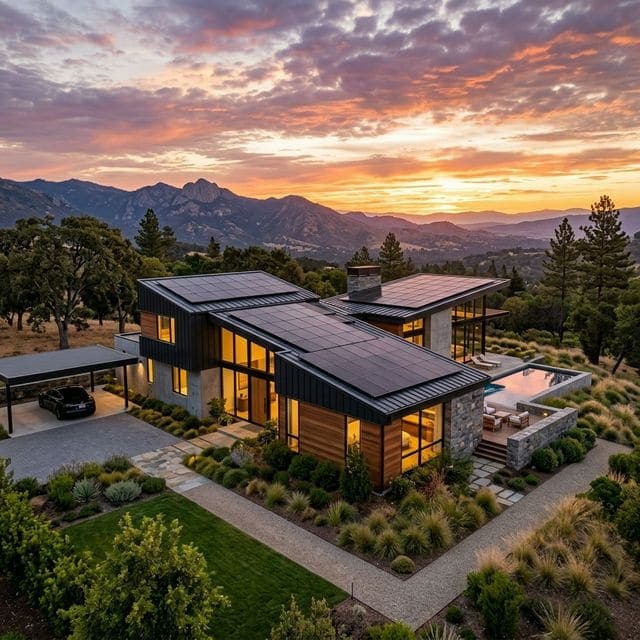
.jpg&w=3840&q=75)

Solar for everyone: Pay Small Small
Don't let the cost stop you. Get this system installed today and pay in easy monthly installments over 6-24 months.
View Financing PlansAs your sure plug for reliable solar product supplier and installation, we at Rayspark Solar provides top-tier products to meet everyone's budget and exact needs. Call/WhatsApp: +234 706 482 6896
In this guide, you’ll discover the best solar panel + inverter combinations in Nigeria, what to look for before buying, and how to choose the right system for your needs.
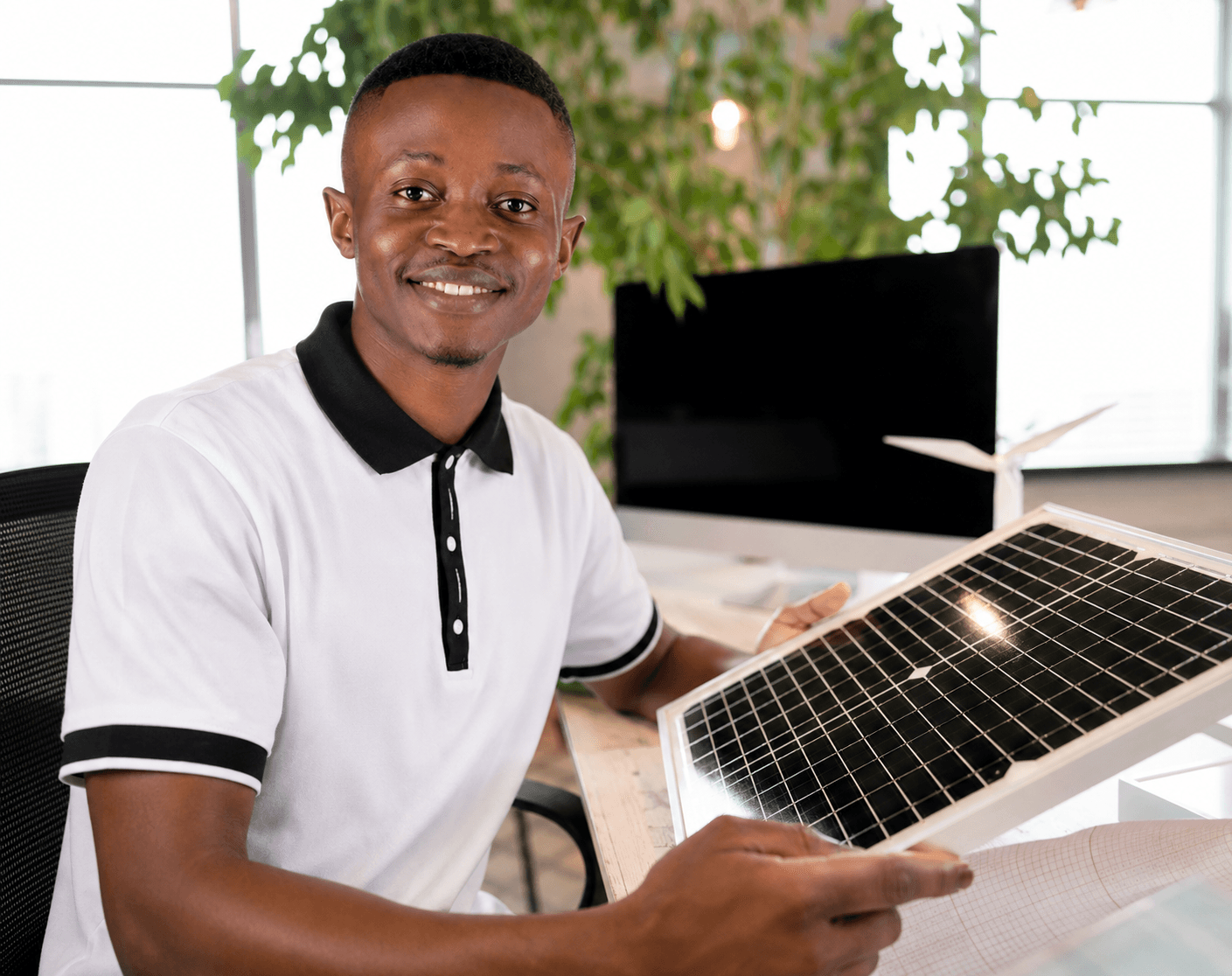
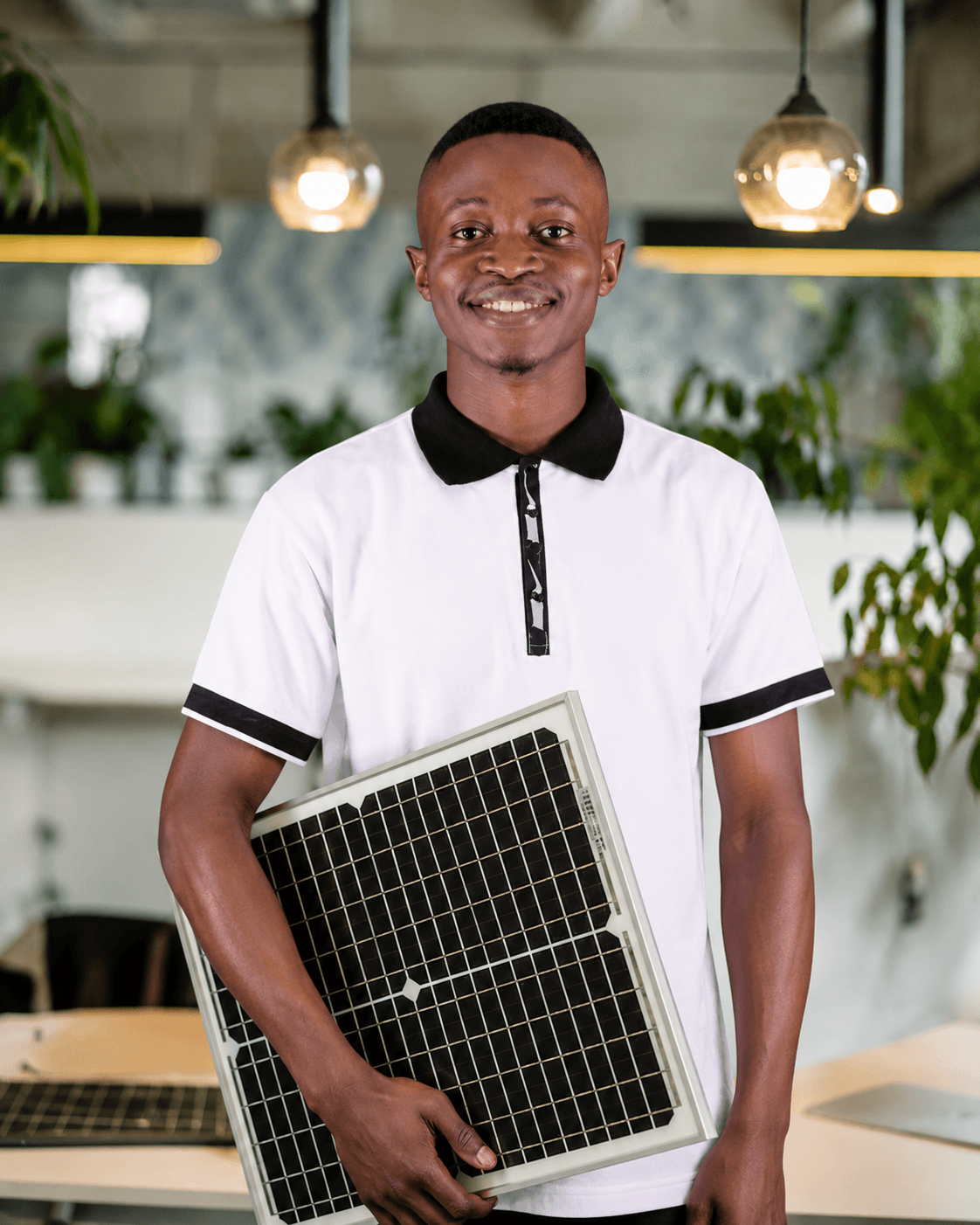
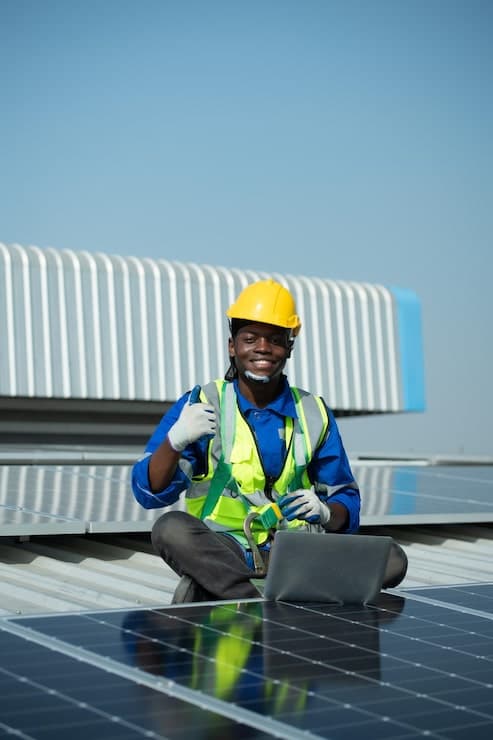
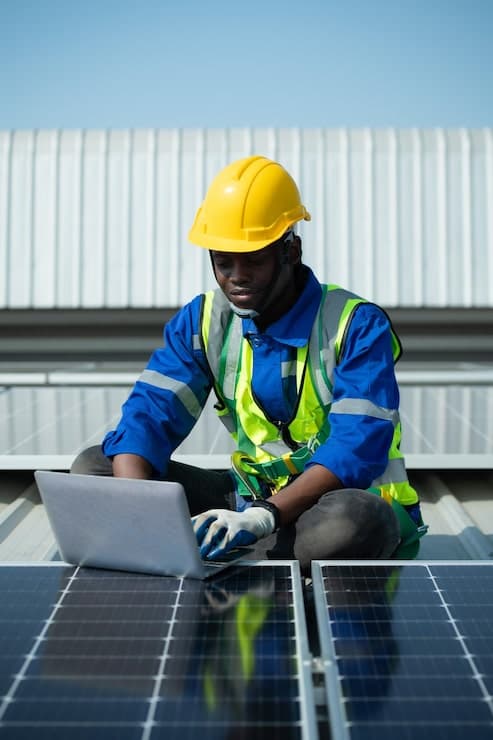
Our Team
Why Solar Is the Best Power Solution in Nigeria
With rising diesel and petrol costs, solar energy has become the smartest alternative for individuals and businesses across Nigeria.
It is ideal for homes, apartments, offices, startups, shops, hotels, and even large industrial operations.
Key Benefits of Solar Energy
Reliable Electricity
Enjoy consistent power supply without worrying about grid failures or outages.
No Fuel Costs
Unlike generators, solar systems eliminate the need for petrol or diesel, saving you money daily.
Low Maintenance
Solar systems require minimal upkeep compared to generators and other power sources.
Long Lifespan
Most solar panels last between 20 to 25 years, making them a long-term investment.
Eco-Friendly
Solar energy is clean and environmentally friendly, reducing your carbon footprint.
What Makes a Good Solar Setup?
A complete solar system is more than just panels. It requires the right combination of components working together efficiently to deliver reliable power.
Hybrid Inverter
The hybrid inverter is the brain of your solar system. It converts solar energy into usable electricity, stores excess energy in batteries, and automatically switches between grid, solar, and battery power.
This makes it perfect for Nigeria, where power supply can be unstable.
Solar Panels
Solar panels are responsible for generating electricity from sunlight.
Monocrystalline panels offer higher efficiency and are recommended for better performance, while polycrystalline panels are a more affordable alternative.
In Nigeria, panels with high heat tolerance perform better due to the climate.
Battery (Lithium or Tubular)
Lithium Batteries
These batteries last longer, charge faster, and require no maintenance. They are ideal for users looking for long-term reliability.
Tubular Batteries
These are more affordable upfront but require regular maintenance. They are suitable for budget-conscious users.
For most modern installations, lithium batteries are the preferred choice.
Charge Controller
The charge controller regulates voltage and protects your battery from overcharging.
MPPT controllers are more efficient and recommended, while PWM controllers are a cheaper alternative.
Best Solar Panel + Inverter Systems in Nigeria
Below are recommended system sizes based on different power needs.
Small Home or 1-Bedroom Apartment (1kVA – 2kVA)
This setup is ideal for light usage and basic appliances.
It typically includes a hybrid inverter, 2 to 4 solar panels, and 1 to 2 batteries.
It can power lighting, fans, televisions, and internet routers.
Medium Home or Office (3kVA – 5kVA)
This setup is suitable for families and small offices with moderate electricity needs.
It includes a hybrid inverter, 6 to 10 solar panels, and a lithium battery system.
It can power refrigerators, televisions, laptops, fans, and lighting systems.
Large Homes or Businesses (5kVA – 10kVA)
This is designed for heavy usage environments.
It includes a high-capacity inverter, 10 to 20 or more solar panels, and a lithium battery bank.
It can power air conditioners, freezers, office equipment, and POS systems.
Industrial and Commercial Use (10kVA and Above)
For large-scale operations, industrial-grade systems are required.
These include powerful inverters, large solar arrays, and high-capacity lithium storage.
They are ideal for factories, hotels, warehouses, and schools.
How Much Does Solar Cost in Nigeria?
The cost of solar systems in Nigeria depends on the size and quality of components used.
A 1kVA system typically ranges from ₦800,000 to ₦1.5 million, while a 3kVA system can cost between ₦2 million and ₦4 million.
For larger systems, a 5kVA setup may cost between ₦4 million and ₦7 million, while 10kVA and above systems can exceed ₦8 million.
Investing in high-quality components may cost more initially but saves money in the long run.
How to Choose the Right Solar System
Understand Your Power Needs
List all the appliances you want to power to determine the right system size.
Set Your Budget
Choose a system that balances affordability with long-term value.
Select the Right Battery
Lithium batteries are more durable and efficient for long-term use.
Work with Experienced Installers
Proper installation is critical. A poorly installed system will not perform efficiently. This is where a trusted brand like Rayspark Solar steps in—we design and install custom, high-efficiency solar systems. Reach out to us at +234 706 482 6896 for professional guidance.
Why Choose Rayspark for Your Solar Installation?
Rayspark Solar provides complete solar power solutions tailored to your needs in Nigeria. As your sure plug for uninterrupted electricity, you can reach out to us at +234 706 482 6896.
From consultation to installation, you get a reliable partner to help you achieve uninterrupted power supply.
What You Get
Expert Consultation
Get professional advice on the best system for your needs.
Custom System Design
Your solar setup is tailored specifically to your home or business.
High-Quality Components
Only durable and efficient solar panels and inverters are used.
Professional Installation
Ensure maximum performance and safety.
After-Sales Support
Ongoing support to keep your system running efficiently.
Ready to Install Solar?
Stop spending money on fuel and unreliable electricity.
Get the best solar panel and inverter system in Nigeria today.
Visit https://rayspark.com.ng/ to request a quote, speak with an expert, and install your solar solution. You can always call or WhatsApp Rayspark Solar at +234 706 482 6896.
Frequently Asked Questions
How long do solar panels last?
Solar panels can last 20 to 25 years or more with proper installation and maintenance.
Can solar power air conditioners?
Yes, with the right inverter capacity and battery setup.
What happens at night?
Your battery stores energy generated during the day for use at night.
Is solar better than a generator?
Yes, solar is quieter, cheaper in the long run, and more reliable than generators.