
Solar for everyone: Pay Small Small
Don't let the cost stop you. Get this system installed today and pay in easy monthly installments over 6-24 months.
View Financing PlansAs your sure plug for reliable solar product supplier and installation, we at Rayspark Solar provides top-tier products to meet everyone's budget and exact needs. Call/WhatsApp: +234 706 482 6896
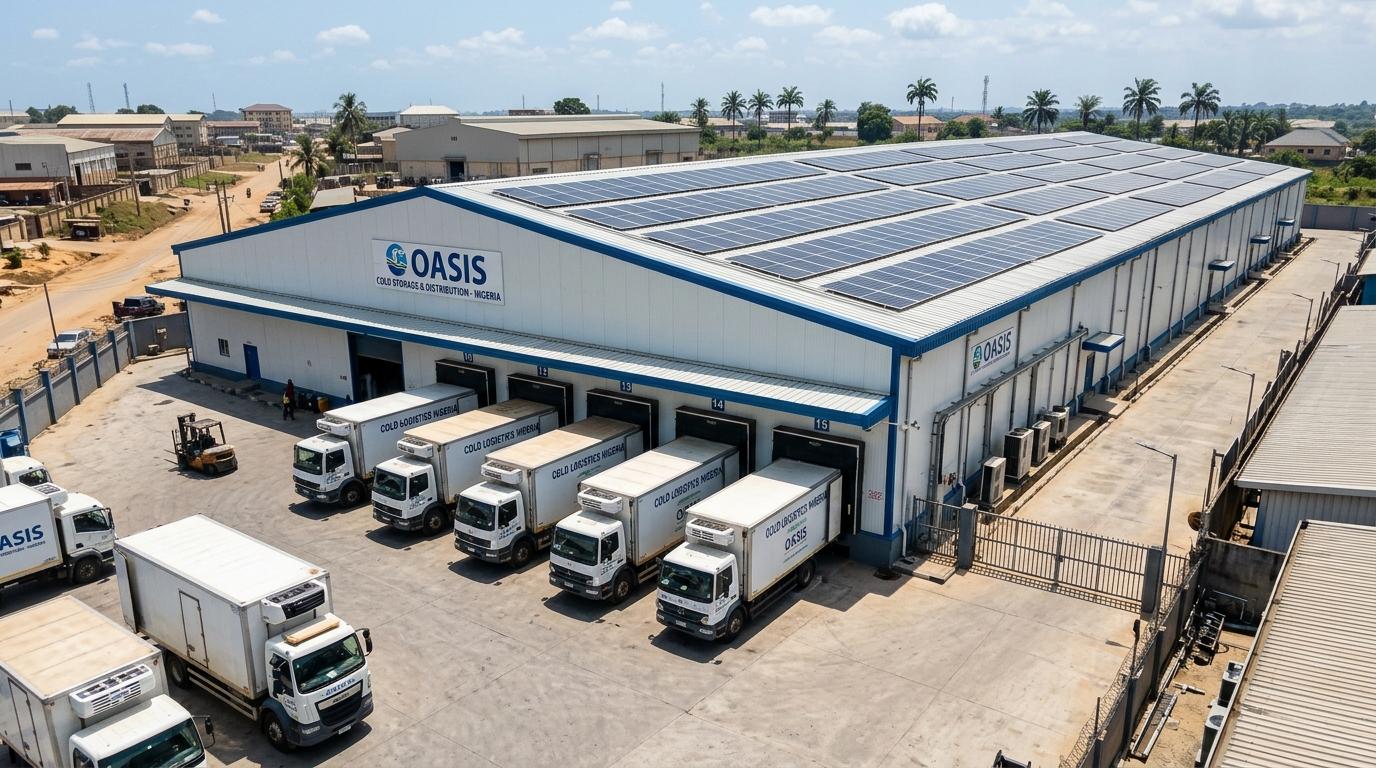
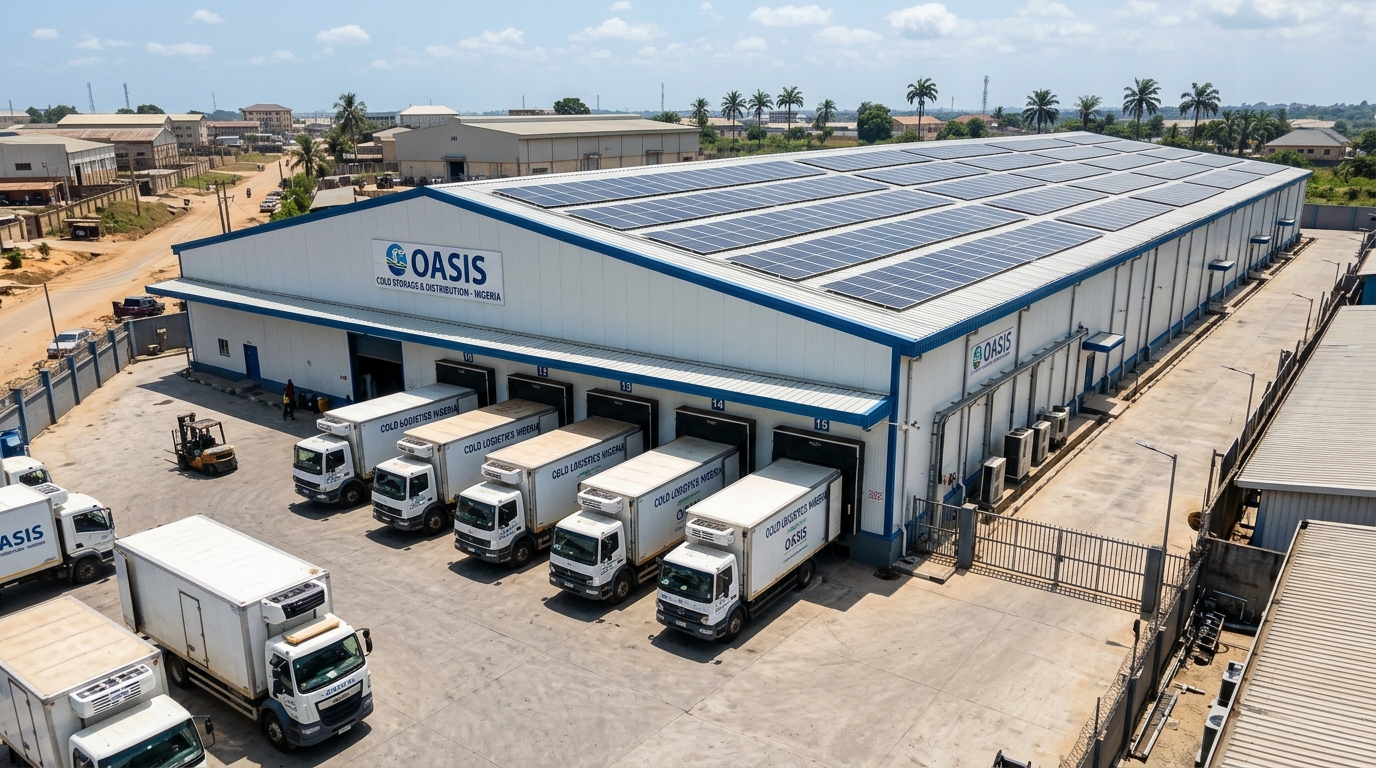
In the 2026 Nigerian commercial market, installing a commercial solar system for a cold room typically costs between ₦24,000,000 for a 30kVA setup (small walk-in freezer), ₦38,000,000 to ₦54,000,000 for a 50kVA to 60kVA commercial cold storage room, ₦75,000,000 to ₦110,000,000 for a 100kVA to 120kVA poultry and fish distribution depot, and up to ₦180,000,000 to ₦260,000,000+ for large 250kVA to 300kVA multi-chamber agricultural cold logistics centers. These installations feature heavy-duty three-phase hybrid inverters engineered to manage compressor motor startup surges (Locked Rotor Amperage), high-voltage lithium LiFePO4 battery banks for 14-hour overnight thermal preservation, and Tier-1 bifacial panels, shielding frozen food businesses from devastating inventory spoilage and eliminating 75% to 85% of monthly generator diesel bills.

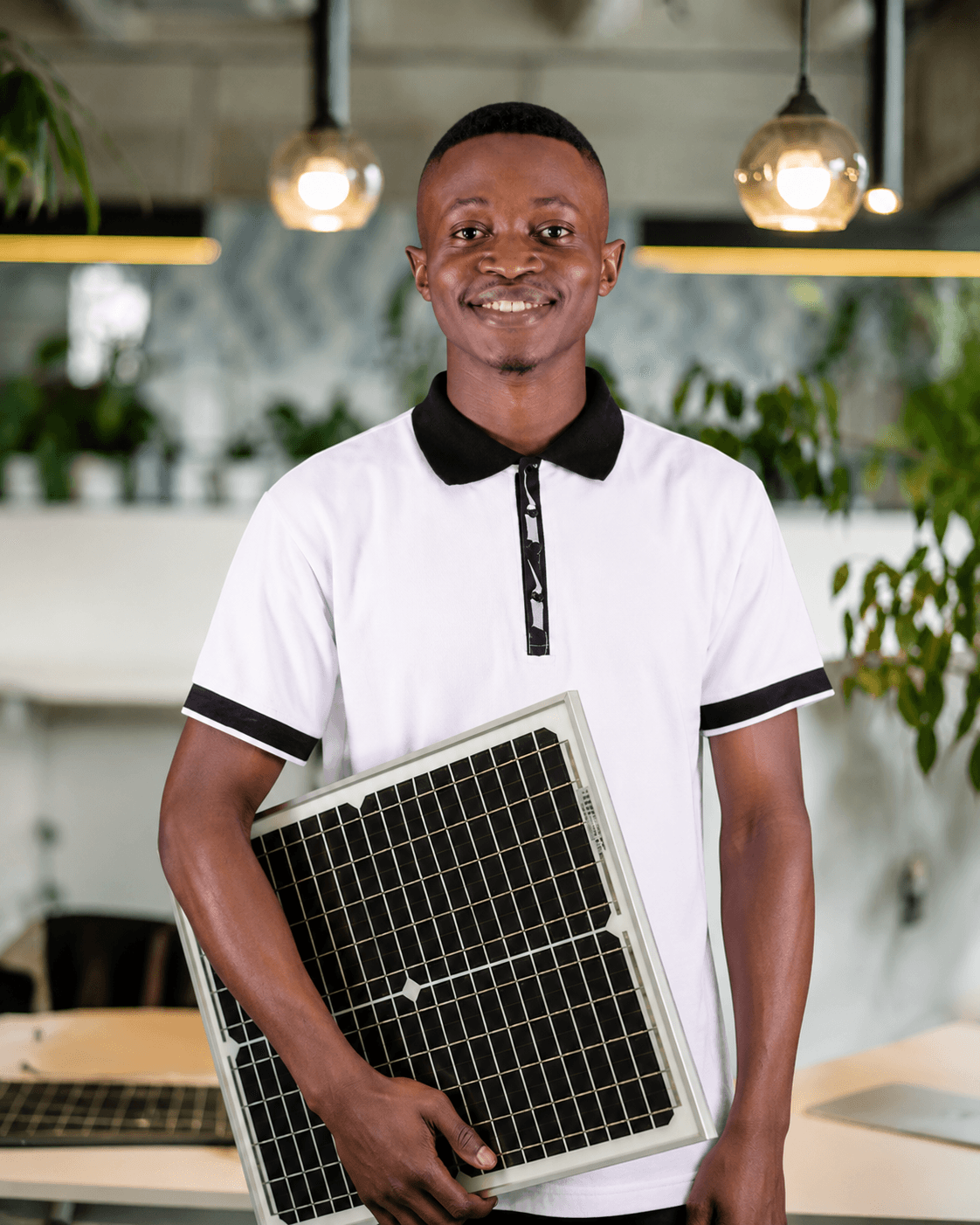
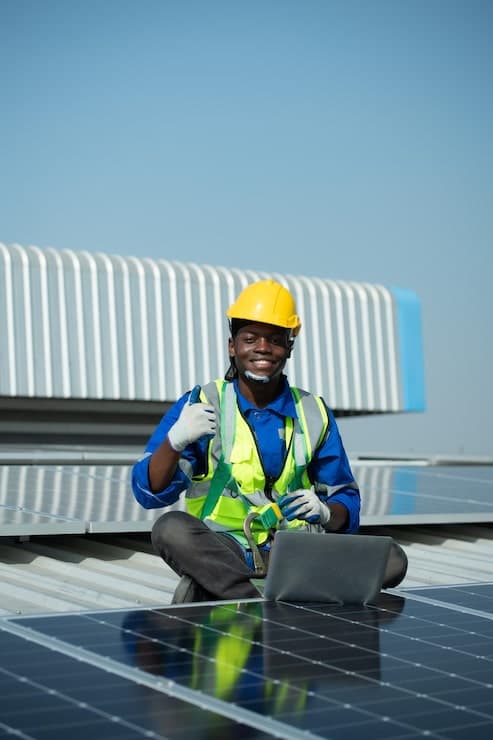

Our Team
The High Cost of Power Outages in Nigerian Cold Chain Logistics
Operating a cold room, commercial blast freezer, or frozen foods distribution hub (fish, chicken, turkey, meat, dairy, and pharmaceuticals) in Nigeria is one of the highest-risk business models when relying solely on the national grid and diesel generators. A single 12-hour power failure can cause core temperatures to rise from -18 degrees Celsius to defrost thresholds, leading to hundreds of cartons of spoiled seafood and meat valued in millions of Naira.
Simultaneously, powering refrigeration compressors with diesel fuel has become financially crippling. A medium-sized 50kVA cold room running on diesel for 16 hours daily consumes approximately 140 to 180 liters of diesel per day, generating monthly fuel expenditures exceeding ₦5,500,000 to ₦7,500,000.
A dedicated commercial solar installation completely transforms this operating expense into predictable capital equity, providing non-stop refrigeration while slashing fuel bills by up to 85%.
Cold Room Compressor Power Dynamics: Sizing for Locked Rotor Amperage (LRA)
Sizing a solar power system for refrigeration equipment is fundamentally different from sizing for offices or residential apartments. Refrigeration condensing units (such as Copeland Scroll, Bitzer Semi-Hermetic, Danfoss, and Bock compressors) have high inductive startup loads known as Locked Rotor Amperage (LRA).
When a 10 HP cold room compressor kicks on, it demands 5 to 7 times its rated running amperage for 300 to 500 milliseconds. If the commercial inverter cannot sustain this surge, it will trip on overload error, causing compressor stalling and potential motor winding damage.
Engineering Mitigations Implemented by Rayspark Solar:
- Variable Frequency Drives (VFD) and Soft Starters: We integrate electronic soft starters on all cold room compressor circuits, reducing inrush surge current from 600% down to 150% of nominal running amperage.
- Staggered Compressor Starting Logic: For multi-chamber cold storage facilities with multiple condensing units, our automation panels stagger the startup sequence with 15-second time delays, preventing simultaneous motor startups on the inverter bus.
- High-Surge Three-Phase Inverter Pairing: We deploy industrial hybrid inverters capable of delivering 150% to 200% continuous surge capacity for 10 full seconds.
Cold Room Solar Sizing and Cost Matrix (2026 Nigeria Market)
The table below outlines engineering specifications, equipment configurations, estimated pricing, and monthly diesel savings across various cold room and frozen food operations in Nigeria:
| System Capacity | Cold Room Application | Compressor Load (HP) | Solar Array (580W-700W) | Lithium Battery Bank (LiFePO4) | 2026 Nigeria Cost Range (Turnkey) | Estimated Monthly Diesel Savings |
|---|---|---|---|---|---|---|
| 30kVA (24kW) | 20-30 Metric Ton Walk-in Cooler (Dairy / Fruits / Veg) | 5 HP to 7.5 HP Single Unit | 36 Panels (22kWp) | 45kWh - 60kWh (51.2V / High Voltage) | ₦24,000,000 – ₦32,000,000 | ₦2,200,000 – ₦3,000,000 |
| 50kVA (40kW) | 50 Metric Ton Frozen Fish & Poultry Cold Room (-18°C) | 10 HP to 15 HP Dual Units | 60 Panels (36kWp) | 80kWh - 100kWh High-Voltage | ₦38,000,000 – ₦48,000,000 | ₦3,800,000 – ₦5,200,000 |
| 60kVA (48kW) | 80 Metric Ton Cold Storage with Blast Freezer Annex | 15 HP to 20 HP Multiple Units | 72 Panels (45kWp) | 100kWh - 120kWh High-Voltage | ₦46,000,000 – ₦58,000,000 | ₦4,500,000 – ₦6,500,000 |
| 100kVA (80kW) | 120-150 Metric Ton Wholesale Seafood & Meat Distribution Hub | 30 HP to 40 HP Multi-Compressors | 120 Panels (75kWp) | 160kWh - 200kWh Industrial Rack | ₦75,000,000 – ₦98,000,000 | ₦7,500,000 – ₦10,500,000 |
| 150kVA (120kW) | 250 Metric Ton Commercial Cold Storage Facility | 45 HP to 60 HP Multi-Stages | 180 Panels (115kWp) | 240kWh - 300kWh Industrial Container | ₦115,000,000 – ₦145,000,000 | ₦11,000,000 – ₦15,000,000 |
| 250kVA - 300kVA | Industrial Ice-Making Factory & Agricultural Cold Chain Hub | 80 HP to 100+ HP Central Rack | 300 - 360 Panels (200kWp+) | 400kWh - 500kWh Containerized BESS | ₦180,000,000 – ₦260,000,000 | ₦18,000,000 – ₦25,000,000+ |
Thermal Inertia & Overnight Storage Engineering
One major engineering strategy we deploy for Nigerian cold rooms is leveraging the physical property of thermal mass and thermal inertia.
Refrigeration loads do not stay constant. During sunny afternoon hours (10:00 AM to 3:30 PM), when your bifacial solar panels generate maximum peak kilowatts, our smart energy management system automatically lowers the cold room thermostat setpoint (for example, sub-cooling frozen fish to -22°C instead of -18°C).
Because densely packed frozen fish, poultry, or beef holds immense thermal energy, the cold room acts as a natural cold storage thermal battery. When the sun sets and the system switches to battery power, the compressors cycle on far less frequently during the night, reducing the required battery discharge depth and prolonging the operational lifespan of your lithium battery bank beyond 12 to 15 years.
Pros and Cons of Solar Power for Nigerian Cold Rooms
Before commissioning a commercial solar plant for your cold room, it is essential to evaluate the operational advantages and practical engineering factors.
Pros:
- Zero Inventory Loss: Eliminates catastrophic stock loss caused by mid-night generator breakdowns, unserviced diesel engines, or fuel scarcity in Nigeria.
- Massive Operating Savings: Payback periods for cold storage solar systems typically range between 18 months and 3 years, after which power generation is practically free.
- Extended Compressor Longevity: Pure sine wave electricity with under 2% Total Harmonic Distortion (THD) protects expensive Bitzer and Copeland compressor motors from burnout caused by unstable grid fluctuations or dirty generator power.
- Automated Generator Integration: If solar batteries hit low thresholds during prolonged rainy spells, our auto-generator start (AGS) initiates the diesel generator, runs it at maximum fuel efficiency, charges the batteries, and shuts it down automatically.
Cons:
- Substantial Initial Capital Outlay: Requires a structured initial capital investment, though accessible via commercial solar financing and leasing arrangements.
- Roof and Ground Space Demand: High-wattage panel arrays require robust metal roofing, reinforced roof trusses, or nearby open ground mounting frames.
Solar-Generator Hybrid System: The Best Solution for Active Cold Rooms
For existing cold storage operators who already own a 60kVA to 250kVA diesel generator, you do not need to discard your generator.
The Solar-Generator Hybrid Architecture is the single most economical transitional model in Nigeria:
- Daytime Priority (Solar PV Array): Powers condensing units and sub-cools chambers directly from sunlight. Excess power charges the lithium battery bank.
- Evening Priority (Lithium Battery Bank): Powers refrigeration fans and compressor cycling from sunset until late night.
- Backup Integration (Generator on Demand): If multiple blast freezers activate simultaneously or during prolonged monsoon rains, the hybrid inverter starts the generator automatically via dry-contact dry relay, runs it at peak fuel efficiency for 2 hours to top up batteries, and immediately shuts it down.
This hybrid configuration slashes generator operational hours from 20 hours per day down to just 2 to 3 hours per week, saving upwards of 80% on diesel and generator servicing costs.
Best Inverter and Battery Brands for Nigerian Cold Rooms
Cold rooms run 24 hours a day, 365 days a year. Using unverified or sub-standard brands can cause devastating equipment failures. At Rayspark Solar, we strictly deploy field-tested and manufacturer-backed equipment:
Overall Best Brands (Tier 1 — Tested and Trusted in Nigeria):
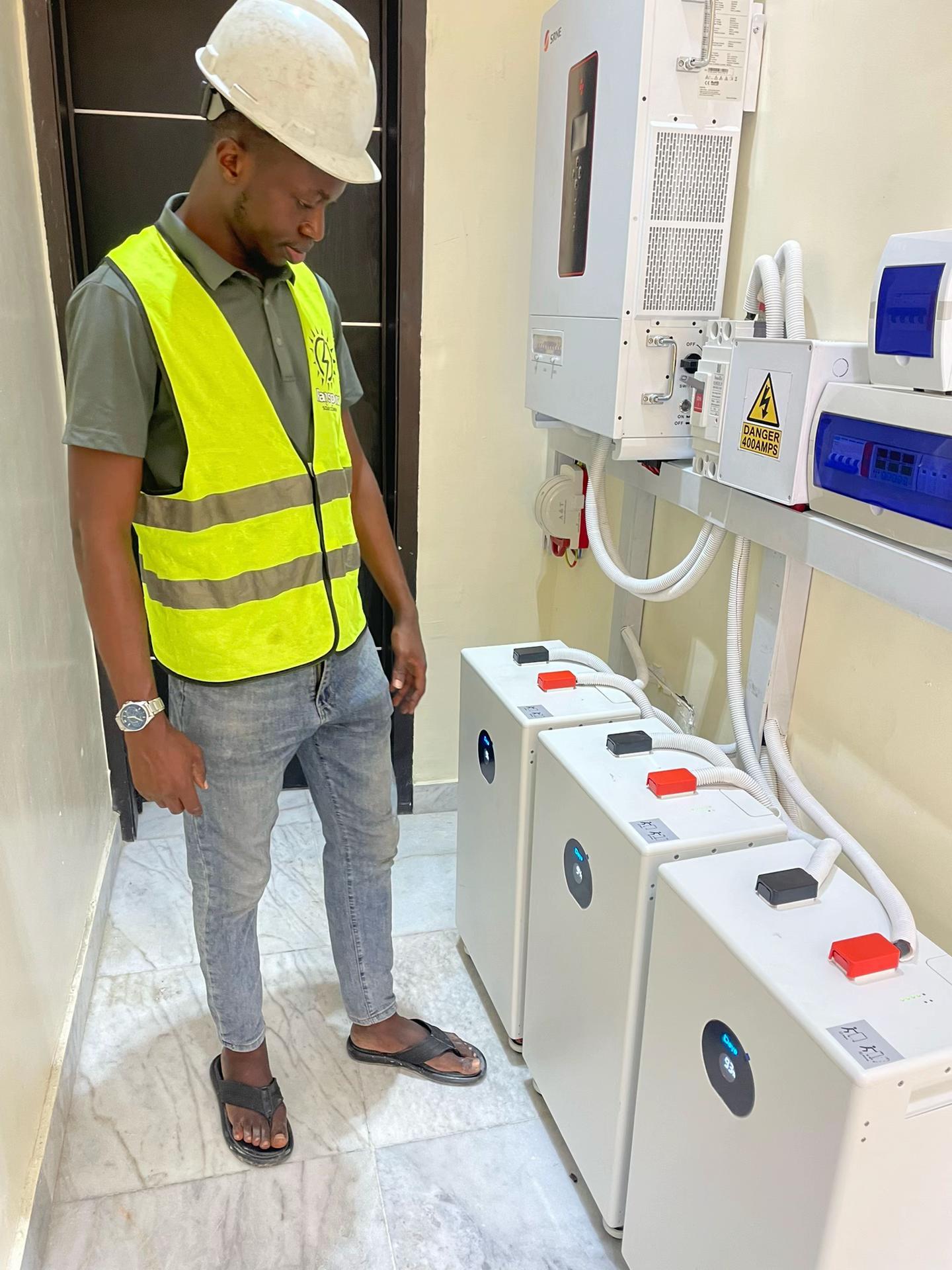
- Deye: The industry leader in commercial three-phase hybrid inverters (30kW, 50kW, 80kW, and 100kW). Exceptional surge handling, generator auto-start compatibility, and remote cloud monitoring.
- Alpsolar (aIpsolar): Heavy-duty commercial hybrid units and high-voltage lithium battery racks engineered specifically for tropical African heat and continuous motor cycling.
- Victron Energy (Vetrone): Renowned world-class European engineering. Inverter-chargers with unparalleled inductive motor surge handling and modular scalability.
- SRNE: Industrial hybrid inverters offering high solar input voltage, reliable generator synchronization, and fast transfer times.
- Solis: High-capacity commercial string inverters and energy storage controllers with robust grid-tie and zero-export capabilities.
Followed by Proven Tier 2 Brands:
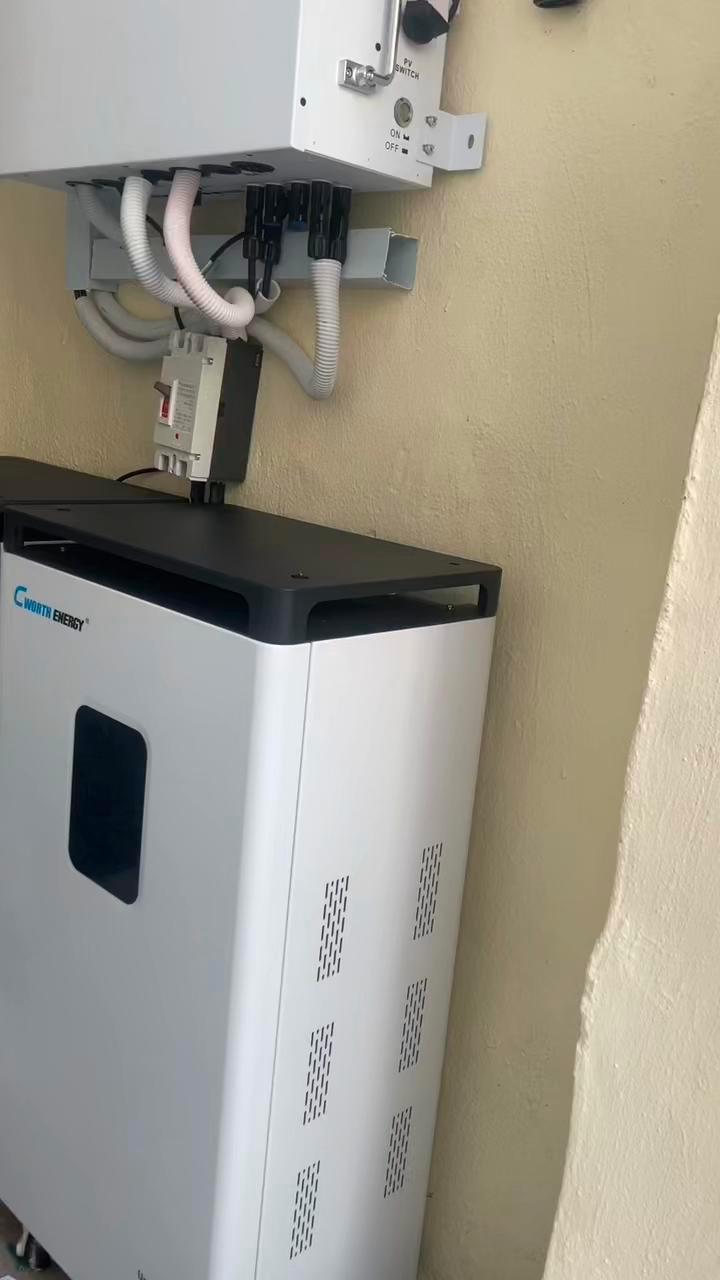
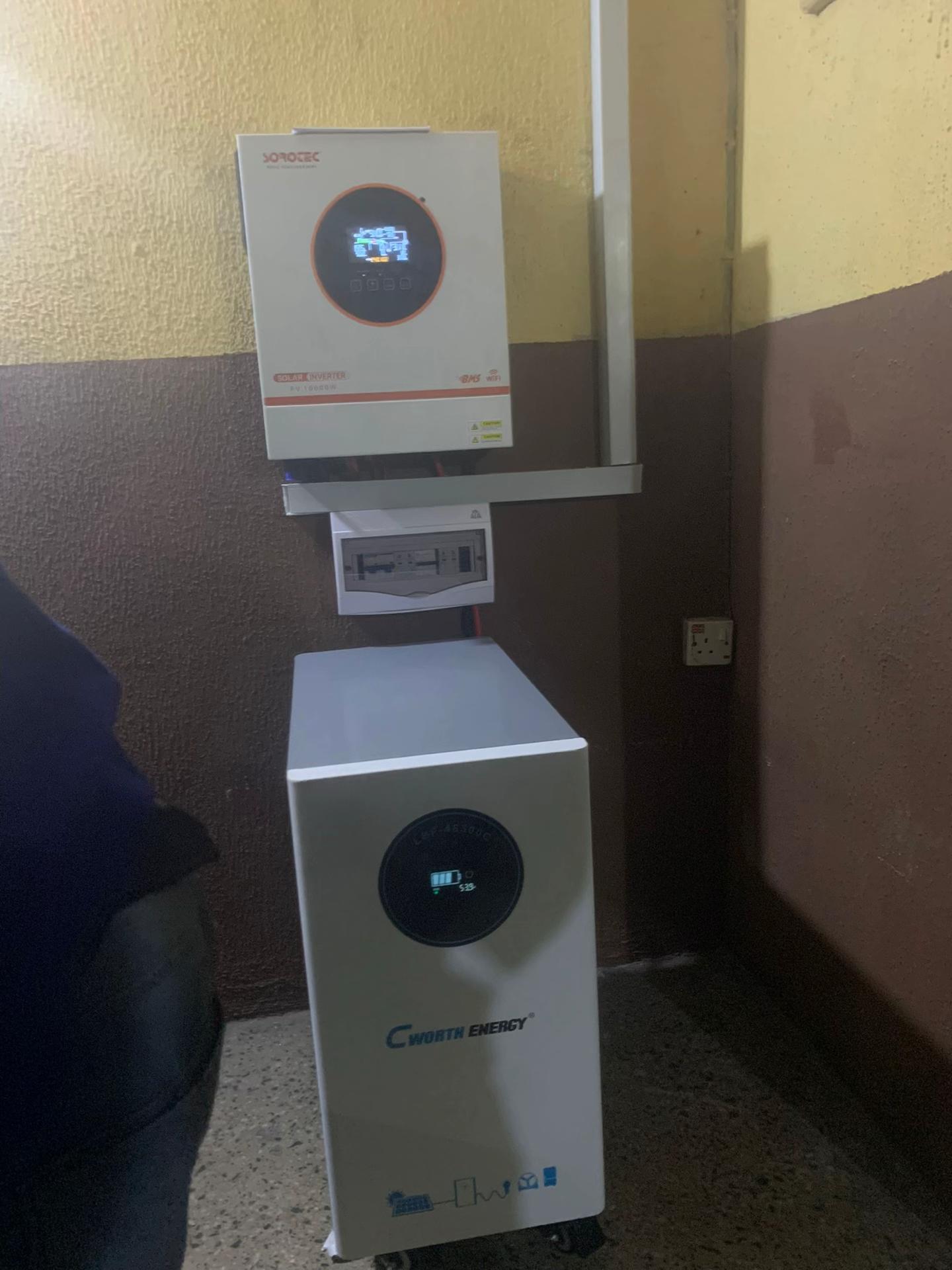
- Cworth
- Growatt
- Lvtopsun
- Itel
- Ecolion
- Luxwatt
- Luxsun
The Rayspark Solar Turnkey Installation Process
Rayspark Solar handles commercial cold room installations from initial engineering assessment to commissioning within 3 days to 1 week, depending on system capacity:
- Precision On-Site Load Audit: We measure your condensing unit running amperage, startup inrush surge currents (LRA), and evaluate roof structural truss integrity.
- Custom Electrical Panel & Protection Assembly: We install dedicated Type 2 surge protective devices (SPD), AC/DC motorized disconnect breakers, phase sequencers, and electronic soft-starters.
- Bifacial Panel Array Mounting: We utilize industrial-grade aluminum mounting rails and stainless steel 304 fasteners designed to resist hurricane-force winds and roof vibrations.
- Lithium Battery Configuration & BMS Communication: We connect intelligent Battery Management Systems (BMS) with high-voltage busbars, ensuring cell balancing and thermal safety.
- Testing, Generator Interlocking, and Handover: We run rigorous full-load testing with all condensing units running simultaneously, verify seamless generator auto-start, and hand over real-time smartphone monitoring to your facility manager.
Our Team
Frequently Asked Questions (FAQs)
Can a solar system power my cold room 24/7 without a generator?
Yes. With properly calculated high-capacity lithium LiFePO4 battery storage, your cold room can operate 24 hours a day exclusively on solar power and battery storage. However, for maximum operational security in Nigeria, we always configure an automatic generator auto-start backup to cover prolonged adverse weather conditions.
Can solar start my cold room compressor without tripping?
Yes. By deploying commercial three-phase hybrid inverters (such as Deye, Alpsolar, or Victron) paired with electronic soft-starters, the system easily manages the compressor's Locked Rotor Amperage (LRA) startup surge without tripping or voltage drop.
What is the lifespan of the lithium battery bank and solar panels?
Tier-1 bifacial monocrystalline solar panels are guaranteed for 25 to 30 years with linear power output warranties. Premium commercial lithium LiFePO4 battery banks offer 6,000 to 8,000 deep discharge cycles, translating to 12 to 15+ years of daily commercial operation when properly maintained.
How much money will my cold storage business save every month?
Depending on cold room capacity (30kVA to 250kVA), Nigerian cold storage operators save between ₦2,200,000 and ₦25,000,000 every single month on diesel fuel and maintenance alone.
Get a Free Engineering Assessment and Quotation Today
Stop watching your profit margins evaporate through diesel generator exhausts and risking devastating inventory spoilage.
Rayspark Solar delivers turnkey industrial solar power systems tailored for cold rooms, blast freezers, and cold storage distribution facilities across all 36 states in Nigeria.
- Phone / WhatsApp: +234 706 482 6896
- Live WhatsApp Chat: https://wa.me/2347064826896
- Head Office: Alabama Street, Akala Way, Ibadan, Oyo State
- Lagos Branch: 231, Herbert Macaulay Way, Yaba, Lagos State
- Akure Branch: 24 Aule Rd, Akure, Ondo State
- Nationwide Coverage: Turnkey delivery and installation available across all Nigerian states within 3 to 7 days.