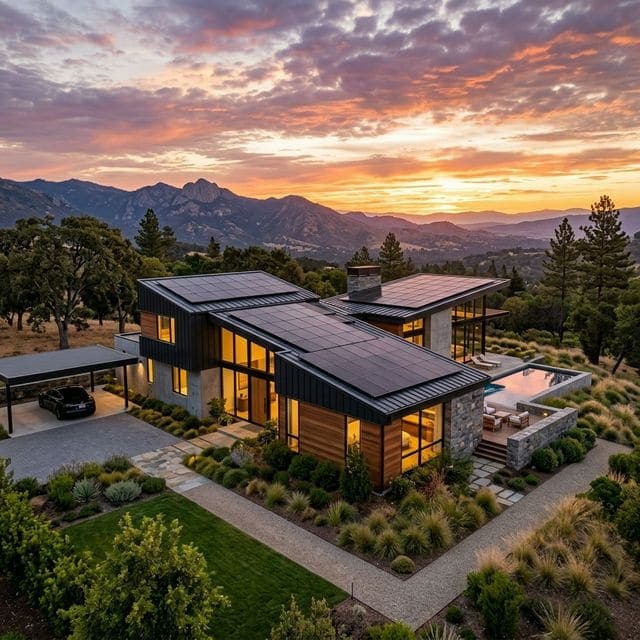
.jpg&w=3840&q=75)
Solar for everyone: Pay Small Small
Don't let the cost stop you. Get this system installed today and pay in easy monthly installments over 6-24 months.
View Financing PlansAre you looking for Commercial Solar Installation for your office, factory, or to power your work tools, and you don't know the price? You have come to the right place to get the price and other things you need to know before buying.
As your sure plug for reliable solar product supplier and installation, we at Rayspark Solar provides top-tier products to meet everyone's budget and exact needs. Call/WhatsApp: +234 706 482 6896
Commercial solar installations in Nigeria typically range from ₦5,000,000 to over ₦50,000,000 depending on the energy requirements, system capacity, and component quality. A comprehensive setup involves high-capacity solar panels, heavy-duty hybrid inverters, and scalable lithium battery storage systems designed to handle industrial loads seamlessly.


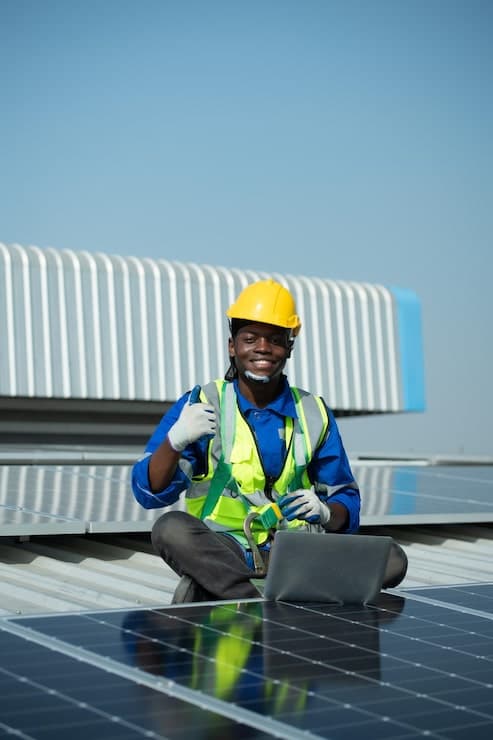
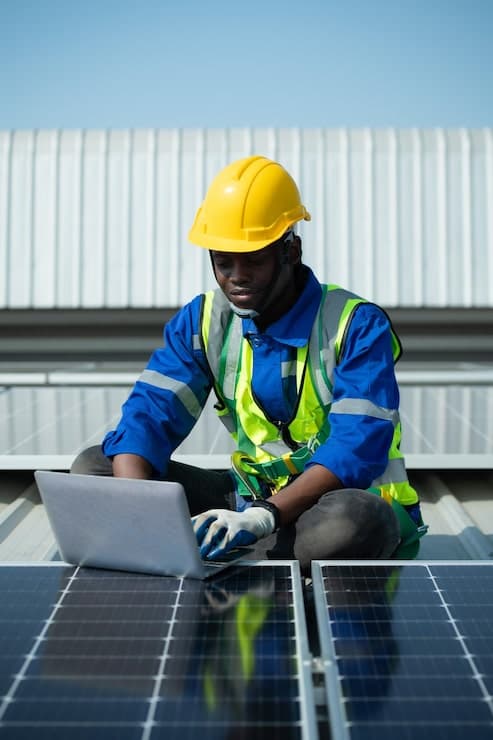
Our Team
Why Nigerian Businesses Need Commercial Solar Energy
The operational landscape for businesses in Nigeria is heavily dependent on reliable power. With the constant fluctuations in the national grid and the skyrocketing costs of diesel and petrol for backup generators, enterprises are seeking sustainable alternatives. Commercial solar installation is no longer just an environmental statement; it is a critical business strategy to reduce overhead costs and ensure uninterrupted operations.
Transitioning to solar power allows businesses such as manufacturing plants, corporate offices, hospitals, and educational institutions to stabilize their energy expenses. By generating your own electricity, your business is insulated from unpredictable utility rate hikes and fuel scarcity. Furthermore, a stable power supply protects sensitive electronic equipment from damage caused by voltage surges common with grid power.
Major Components of a Commercial Solar Setup
A robust commercial solar system comprises several integral components designed for durability and high performance under heavy daily usage:
- Solar Panels: High-efficiency photovoltaic modules (usually 400W to 600W each) that capture sunlight and convert it into direct current electricity. Monocrystalline panels are highly recommended for their space efficiency and superior output.
- Industrial Inverters: These devices convert the direct current from the panels into alternating current used by your machinery and office equipment. Hybrid inverters are preferred as they intelligently manage power from panels, batteries, and the grid simultaneously.
- Battery Storage Banks: Deep-cycle batteries, predominantly Lithium Iron Phosphate (LiFePO4) for commercial use, store excess energy for use during nighttime or cloudy days. Lithium batteries offer faster charging times, deeper discharge capabilities, and a longer lifespan compared to traditional lead-acid options.
- Mounting Structures: Heavy-duty aluminum or steel racks that secure the panels to your roof or ground space, ensuring they withstand harsh weather conditions, heavy winds, and prolonged exposure to the elements.
- Charge Controllers and Monitoring Systems: Smart management units that regulate power flow and allow business owners to track energy generation, battery health, and consumption in real-time through dedicated mobile or desktop applications.
The Cost of Commercial Solar Installation in Nigeria
Determining the exact cost of a commercial solar project requires a thorough energy audit. However, to give you an overview, pricing is categorized based on the kilowatt-hour capacity required by your facility.
- Small to Medium Enterprises: A 10kVA to 20kVA system, suitable for running standard office equipment, lighting, and air conditioning units, generally costs between ₦5,000,000 and ₦15,000,000.
- Large Corporate Offices: A 30kVA to 50kVA setup, which can handle heavy loads including multiple elevators, centralized cooling, and extensive IT infrastructure, ranges from ₦20,000,000 to ₦45,000,000.
- Factories and Industrial Plants: For requirements exceeding 100kVA to power heavy machinery and continuous production lines, the investment can easily exceed ₦50,000,000.
It is highly recommended to use our Solar Calculator to get an estimate based on your specific load profile. You can also explore our predefined Solar Packages for standardized setups. Keep in mind that investing in high-quality components upfront minimizes long-term replacement costs.
Pros and Cons of Commercial Solar Installations
Before making a financial commitment, it is crucial to weigh the advantages and limitations of integrating solar energy into your commercial property.
Pros
- Massive Cost Savings: Eliminates the dependency on diesel generators, significantly cutting down daily operational expenses. The savings from fuel and generator maintenance can be redirected into core business growth.
- Reliable Power Supply: Ensures continuous productivity without the downtime associated with grid failures. Consistent power protects sensitive equipment from voltage spikes and sudden shutdowns.
- Low Maintenance: Solar panels and modern lithium batteries require minimal maintenance compared to servicing diesel engines. Routine cleaning and periodic technical checks are usually sufficient.
- Return on Investment: Commercial setups typically pay for themselves within 3 to 5 years through energy savings. After this payback period, the electricity generated is essentially free for the remaining lifespan of the system.
- Environmental Impact: Reduces your carbon footprint, allowing your business to promote green and sustainable practices. This can also improve your corporate image and appeal to eco-conscious clients, partners, and investors.
Cons
- High Initial Investment: The upfront capital required for purchasing premium equipment and professional installation is substantial, which may affect short-term cash flow.
- Space Requirements: Generating massive amounts of power requires a large roof or ground area for panel placement. Not all commercial buildings possess the requisite unshaded space.
- Weather Dependence: Energy generation drops during prolonged periods of heavy rain or extreme cloud cover, making large battery banks and a secondary power source essential for 24/7 operations.
Steps to Implementing Solar in Your Business
To ensure a smooth and efficient transition to renewable energy, we recommend following these systematic steps:
- Comprehensive Energy Audit: Assess your current energy consumption, peak load requirements, operating hours, and future expansion plans to understand your exact power needs.
- System Design and Engineering: Based on the audit, certified engineers will design a custom system architecture tailored to your specific load profile and physical site constraints.
- Equipment Procurement: Source high-quality panels, inverters, and batteries. Always opt for Tier-1 brands with extensive warranties and reliable local support.
- Professional Installation: Engage experienced technicians to safely mount panels, route cables, wire the system, and integrate it with your existing electrical distribution framework.
- Testing and Commissioning: Rigorous testing is conducted to ensure all components communicate correctly, safety protocols are met, and the power output aligns with the designed specifications.
- Ongoing Maintenance and Monitoring: Utilize smart monitoring applications to keep an eye on performance metrics and schedule routine cleaning and technical inspections to maximize efficiency.
Why Choose Rayspark Solar for Your Commercial Needs?
At Rayspark Solar, we understand that businesses cannot afford downtime. Our team of expert engineers specializes in designing, deploying, and maintaining commercial-grade solar solutions across Nigeria. We partner with leading global manufacturers to provide equipment that guarantees longevity, safety, and maximum efficiency.
Whether you operate a small clinic, a large hotel, a corporate headquarters, or a manufacturing facility, we tailor our installations to perfectly match your energy demands and financial framework. We do not just sell products; we deliver comprehensive energy security and peace of mind.
If you are ready to revolutionize your business operations, significantly cut operational costs, and eliminate power outages, do not hesitate to reach out to us. Secure your business's future with reliable, clean energy today.
Call/WhatsApp: +234 706 482 6896 to speak with our commercial installation experts and get a customized quote.
Frequently Asked Questions
How long does a commercial solar installation take?
The timeline varies depending on the system size and site complexity. A standard 10kVA to 20kVA system might take 3 to 5 days to install, while a massive 100kVA industrial setup could require 3 to 5 weeks from the initial design phase to final commissioning.
Can solar power run heavy factory machinery?
Yes, absolutely. With the appropriate system capacity, including heavy-duty three-phase hybrid inverters and high-voltage lithium battery banks, solar systems can efficiently and safely power heavy industrial machinery and equipment.
Are there financing options available for commercial solar in Nigeria?
Yes, many financial institutions, commercial banks, and green energy funds in Nigeria now offer specialized credit facilities, energy loans, and lease-to-own options designed specifically for businesses looking to transition to solar power.
What is the expected lifespan of a commercial solar system?
High-quality solar panels are highly durable and designed to last 25 to 30 years with minimal degradation. Premium lithium batteries generally offer a functional lifespan of 10 to 15 years depending on usage cycles, while industrial inverters typically require replacement or major servicing after 10 to 12 years.
Do I need to disconnect completely from the national grid?
No, it is not mandatory to go completely off-grid. Most businesses opt for a hybrid setup where solar is the primary energy source, the battery bank acts as an immediate backup, and the national grid serves as a secondary or tertiary alternative to charge batteries during extended periods of poor weather.