.jpg&w=3840&q=75)
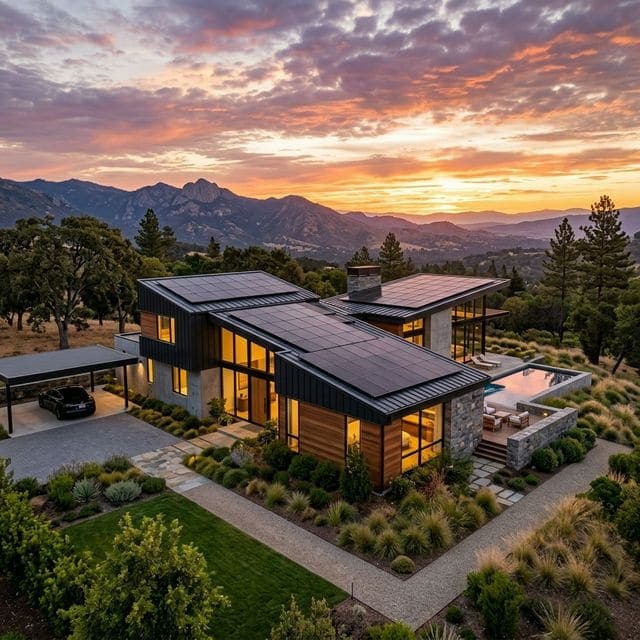
Solar for everyone: Pay Small Small
Don't let the cost stop you. Get this system installed today and pay in easy monthly installments over 6-24 months.
View Financing PlansAs your sure plug for reliable solar product supplier and installation, we at Rayspark Solar provides top-tier products to meet everyone's budget and exact needs. Call/WhatsApp: +234 706 482 6896
A cheap reliable solar system for business in Nigeria typically costs between ₦1,500,000 and ₦15,000,000 depending on your precise energy requirements, the capacity of the inverter, the number of batteries, and the type of solar panels installed. For small shops and standard offices, a basic but robust setup can easily handle essential appliances like computers, printers, lighting, and fans. On the other hand, medium to large businesses, supermarkets, or clinics may require much higher capacities to support heavy loads like air conditioners and industrial refrigeration units.

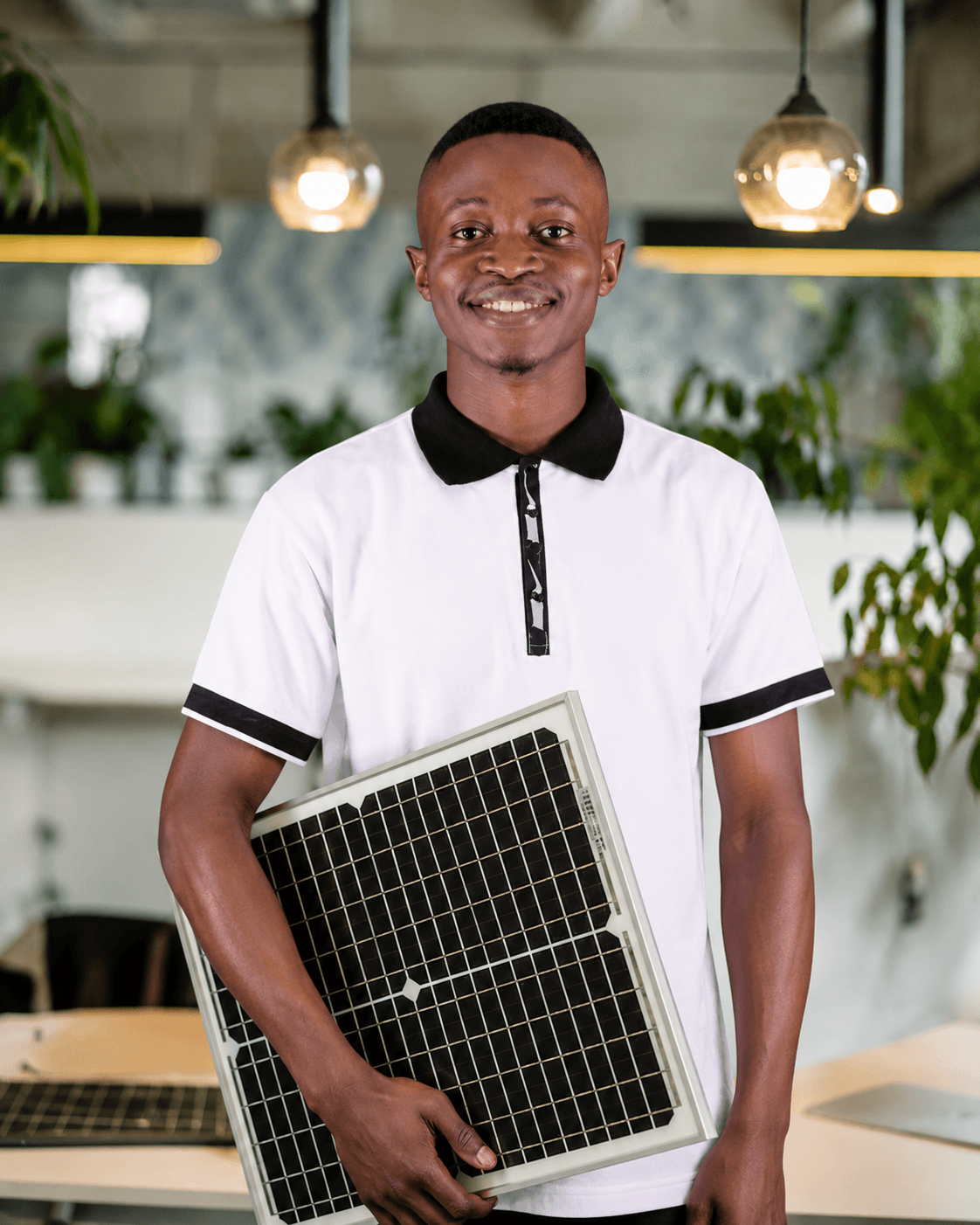
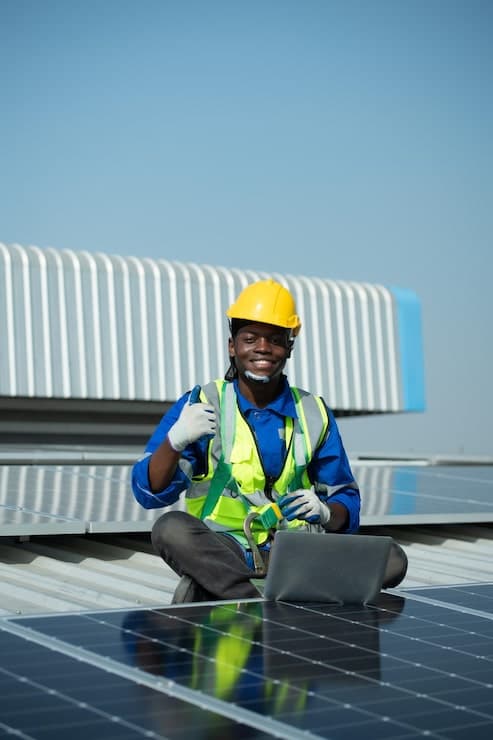
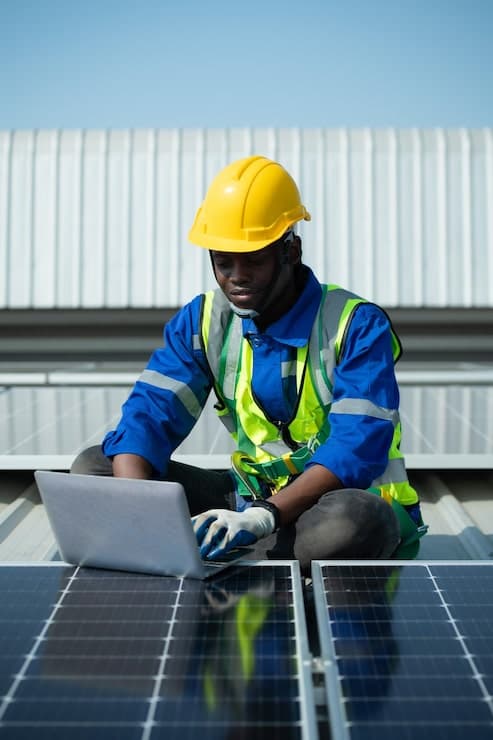
Our Team
The Importance of Uninterrupted Power for Businesses
In Nigeria, running a business often means dealing with highly unpredictable power supply from the national grid. Depending solely on this grid or constantly running fuel-powered generators can significantly increase daily operational costs, thereby reducing your overall profit margins. Transitioning to a solar energy solution offers a stable, long-term, and cost-effective alternative that ensures your business stays powered up without constant interruptions.
A solar power system works by converting free sunlight into usable electricity, storing any excess energy in deep-cycle batteries for use during the night, early mornings, or overcast days. This uninterrupted power supply is absolutely critical for businesses that rely on desktop computers, refrigeration, manufacturing equipment, or simply constant lighting for security and productivity. By investing in a cheap reliable solar system for business, you effectively protect your enterprise from sudden power outages, voltage fluctuations, and the ever-rising cost of petrol and diesel.
Key Components of a Business Solar Setup
Understanding what exactly goes into a commercial solar energy system can help you make a more informed and confident purchasing decision. A standard business solar installation comprises four main components:
1. Solar Panels
These are the most visible parts of the solar system, usually mounted on the roof or on a ground structure to capture maximum sunlight throughout the day. Monocrystalline panels are highly recommended for commercial applications in Nigeria due to their high efficiency, better performance in low light, and space-saving characteristics.
2. The Inverter
The inverter acts as the brain and central hub of your solar setup. It takes the direct current (DC) generated by the solar panels and converts it into alternating current (AC), which is the standard format your office appliances and machinery use. A hybrid inverter is often the best choice for businesses, as it can intelligently switch between solar power, battery storage, and the national grid, prioritizing free solar energy to save costs.
3. Energy Storage Batteries
Batteries store the solar energy generated during the sunny hours for later use. Lithium-ion batteries, specifically LiFePO4 (Lithium Iron Phosphate), are ideal for commercial setups. While they require a higher initial investment, they offer a significantly longer lifespan, deeper discharge cycles, and require zero maintenance compared to traditional tubular or lead-acid batteries.
4. Charge Controller
This device regulates the voltage and current flowing from the solar panels to the battery bank. Its primary job is to prevent overcharging and completely discharging, which extends the life of the batteries. Many modern hybrid inverters have Maximum Power Point Tracking (MPPT) charge controllers built right into them for maximum efficiency.
How to Determine the Cost
When budgeting for a cheap reliable solar system for business, several specific variables will directly influence the final installation price:
- Total Energy Consumption: The total wattage of all the appliances you intend to power simultaneously determines the overall size of the system you need.
- Inverter Capacity: A smaller 3kVA or 5kVA system will naturally cost less than a heavy-duty 10kVA, 15kVA, or 20kVA system designed for heavy commercial use.
- Battery Type and Capacity: The number of batteries and the technology used (Lithium versus Tubular) greatly affects the price.
- Quality of Components: Investing in Tier 1 solar panels and premium, well-known inverter brands guarantees durability and safety, though at a premium price.
To get an accurate, customized estimate tailored specifically to your business needs, we highly recommend checking out our comprehensive solar calculator or exploring our pre-designed available packages.
Pros and Cons of Solar Energy for Businesses
Before making the leap, it is essential to weigh the advantages and potential drawbacks of installing a solar power system for commercial use.
Pros
- Massively Reduced Operational Costs: Drastically cuts down monthly utility bills and virtually eliminates the need for daily fuel purchases and generator maintenance.
- Uninterrupted Power Supply: Keeps your business operations running smoothly without the sudden disruption of grid failures.
- Extremely Low Maintenance: Solar systems require very little maintenance once successfully installed. Occasional cleaning of the panels is usually sufficient to maintain peak performance.
- Environmentally Friendly: Reduces your business's carbon footprint and promotes a modern, green business image to your clients.
- Quiet Operation: Unlike noisy diesel generators, solar systems operate completely silently, creating a more peaceful and conducive work environment for your staff.
Cons
- High Initial Investment: The upfront cost of purchasing quality panels, hybrid inverters, and lithium batteries can be quite substantial.
- Space Requirements: Depending on your heavy energy needs, you may require significant, unshaded roof space to accommodate the required number of solar panels.
- Weather Dependent: Energy generation is naturally lower on cloudy or heavily rainy days, though having adequate battery storage perfectly mitigates this temporary issue.
Tips for Choosing the Right Solar Installation Provider
Selecting the right company for your solar installation is just as crucial as buying the equipment itself. Poor installation can ruin good equipment. Here are a few vital tips to guide you:
- Verify Track Record and Experience: Always choose a provider with a proven, visible track record of successful commercial installations.
- Demand Quality Assurance: Ensure the company strictly uses tier 1 solar panels and high-quality, globally recognized inverters and batteries.
- Check Warranty and Support: A reliable company should confidently offer long-term warranties on their products and possess excellent, highly responsive after-sales support.
- Insist on Customized Solutions: Avoid providers who push one-size-fits-all packages without asking questions. A professional provider will conduct a load assessment to understand your specific energy needs before recommending a system.
Frequently Asked Questions (FAQs)
How long does a commercial solar system last?
With proper, minimal maintenance, high-quality solar panels can easily last 25 to 30 years. Modern Lithium batteries typically last between 10 and 15 years, while inverters may need servicing or replacement after 10 years depending on the environmental conditions and daily usage.
Can a solar system run heavy business machinery?
Yes, absolutely. A properly sized commercial solar system can comfortably run heavy machinery, industrial printers, and multiple air conditioners. However, it requires a robust, specially designed setup with high-capacity three-phase inverters and significant battery storage.
Do I need to clean my solar panels regularly?
Yes, periodic cleaning is highly recommended to remove accumulated dust, bird droppings, and debris that can block sunlight and reduce overall energy generation efficiency. In Nigeria, cleaning them every few months, especially during the dusty Harmattan season, is very advisable to keep your system performing optimally.
Is it possible to upgrade my system later as my business grows?
Yes, solar systems are highly scalable. You can start with a basic setup and add more solar panels or additional battery modules later as your business operations expand and your energy requirements increase.
Final Thoughts
Switching to solar energy is an incredibly smart, strategic business decision that pays off substantially in the long run. By completely eliminating your reliance on expensive generator fuel and unreliable national grid power, you can confidently focus your time and resources on scaling your operations and increasing overall profitability. Ensure you invest in premium quality components and professional installation to maximize the lifespan, safety, and efficiency of your new power system.
Don't let unpredictable power outages slow your business growth down. Take the definitive first step towards total energy independence today. As your sure plug for reliable solar product supplier and installation, we at Rayspark Solar provides top-tier products to meet everyone's budget and exact needs. Call/WhatsApp: +234 706 482 6896 to request a detailed quote and quickly schedule your professional installation!