.jpg&w=3840&q=75)
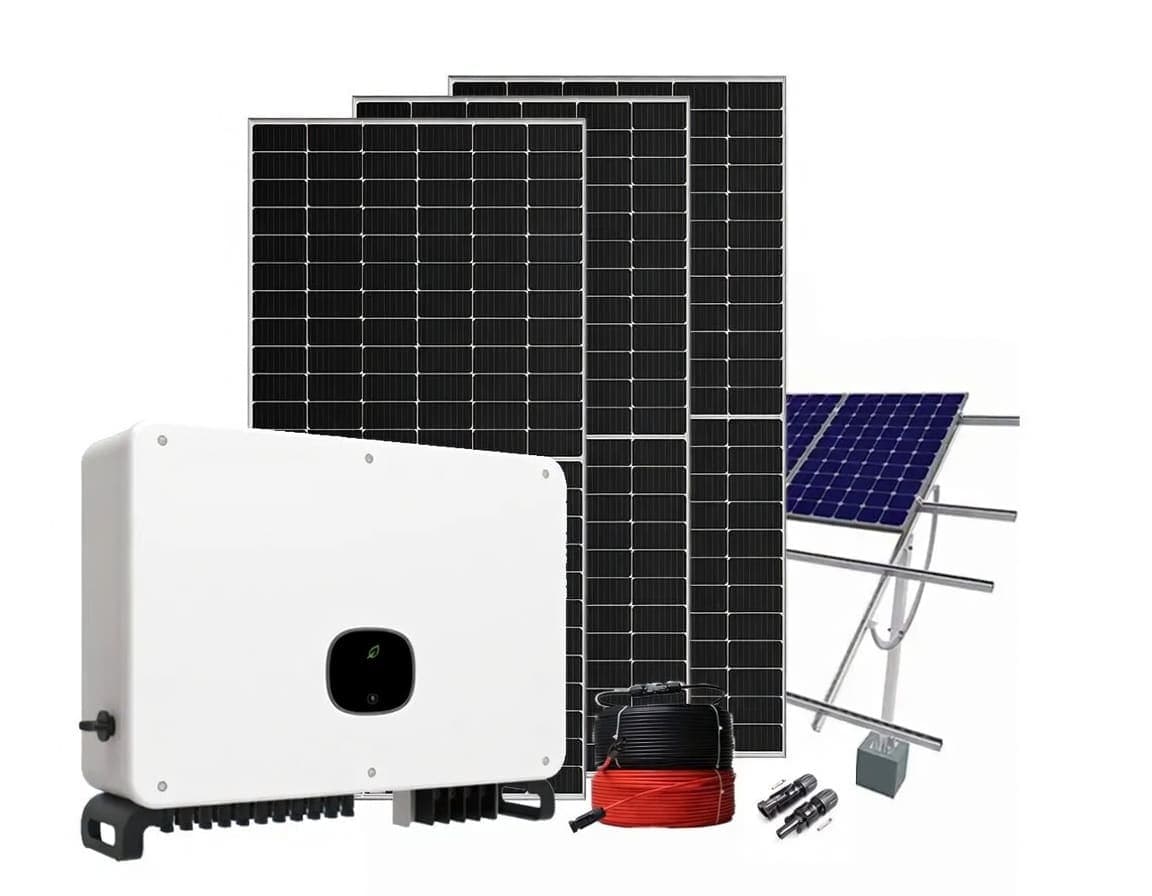
Solar for everyone: Pay Small Small
Don't let the cost stop you. Get this system installed today and pay in easy monthly installments over 6-24 months.
View Financing PlansAs your sure plug for reliable solar product supplier and installation, we at Rayspark Solar provides top-tier products to meet everyone's budget and exact needs. Call/WhatsApp: +234 706 482 6896
Lithium-ion batteries typically last between 10 to 15 years, translating to roughly 3,000 to 10,000 charge cycles depending on the specific chemistry, usage patterns, depth of discharge, and environmental conditions.




Our Team
Understanding the Lifespan of Lithium Batteries
When investing in solar energy systems or power backups, one of the most critical components is the battery. Over the years, lithium batteries have become the gold standard, replacing older lead-acid alternatives due to their superior efficiency, longer lifespan, and lightweight design. But how long do they truly last, and what factors influence their longevity?
In this comprehensive guide, we will explore the expected lifespan of lithium batteries, the factors that affect their durability, and how you can maximize your investment to ensure years of reliable power.
What is a Charge Cycle?
To understand battery life, it is essential to comprehend the concept of a charge cycle. A single charge cycle occurs when you use 100% of a battery's capacity and then recharge it fully. However, this does not have to happen all at once. For example, if you discharge the battery to 50% capacity one day, recharge it, and do the same the next day, that counts as one complete charge cycle.
High-quality lithium iron phosphate (LiFePO4) batteries, which are commonly used in solar energy systems, are rated to endure anywhere from 3,000 to over 10,000 charge cycles while still retaining 80% of their original capacity. If cycled once per day, a battery with a 3,000-cycle rating would last over eight years, while a 10,000-cycle battery could potentially exceed twenty years of service.
Key Factors That Affect Lithium Battery Lifespan
While lithium batteries are inherently long-lasting, their actual lifespan in real-world scenarios is dictated by several operational and environmental variables.
1. Depth of Discharge
The Depth of Discharge refers to the percentage of the battery's capacity that has been utilized relative to its total capacity. Unlike lead-acid batteries, which should ideally not be discharged below 50% to prevent damage, lithium batteries handle deep discharges exceptionally well. Most lithium batteries can be safely discharged to 80% or even 90% without significant degradation. However, consistently discharging them completely to 100% will reduce their overall cycle life. Keeping the Depth of Discharge within recommended limits ensures the battery serves you longer.
2. Operating Temperature
Temperature plays a vital role in the chemical reactions occurring within any battery. Lithium batteries perform optimally in moderate temperatures, generally between 15 and 25 degrees Celsius.
Extreme heat can accelerate the degradation of the internal components, permanently reducing the battery's capacity. Conversely, attempting to charge a lithium battery at sub-zero temperatures can cause lithium plating, a condition that severely damages the cells and can lead to safety hazards. Ensuring your battery bank is installed in a well-ventilated, temperature-controlled environment will significantly extend its useful life.
3. Charging Rates and Voltage
Applying the correct charging parameters is crucial. Charging a battery too quickly with excessive current generates heat and stress within the cells. Similarly, overcharging by applying a voltage higher than the manufacturer's specifications can lead to irreversible damage. Utilizing a high-quality, properly configured charge controller or inverter-charger is vital to feed the battery the precise voltage and current it requires.
Pros and Cons of Lithium Batteries
Before making a purchase, it is helpful to weigh the advantages against the potential drawbacks.
Pros
- Exceptional Lifespan: With the ability to endure thousands of cycles, lithium batteries outlast traditional alternatives by several years.
- High Efficiency: They boast a charge and discharge efficiency of nearly 99%, meaning less energy is wasted during the transfer process.
- Lightweight and Compact: Lithium batteries offer a higher energy density, providing more power in a smaller, lighter package.
- Zero Maintenance: Unlike flooded lead-acid batteries, they do not require regular watering or equalization charges.
- Deep Discharge Capability: You can utilize more of the stored energy without damaging the battery cells.
Cons
- Higher Initial Cost: The upfront investment is significantly higher than that of lead-acid batteries, although the cost per cycle over time is lower.
- Temperature Sensitivity: They require proper thermal management and should not be charged in freezing conditions.
How to Maximize the Life of Your Lithium Battery
To get the most out of your investment, follow these best practices:
- Avoid Extreme Temperatures: Install your system indoors or in a shaded, well-ventilated enclosure.
- Size Your System Correctly: Ensure your battery bank has adequate capacity so that it is not consistently pushed to its maximum discharge limits.
- Use Compatible Equipment: Always pair your batteries with inverters and charge controllers specifically designed for lithium chemistry.
- Regular Monitoring: Utilize built-in Battery Management Systems to monitor cell voltages and overall health.
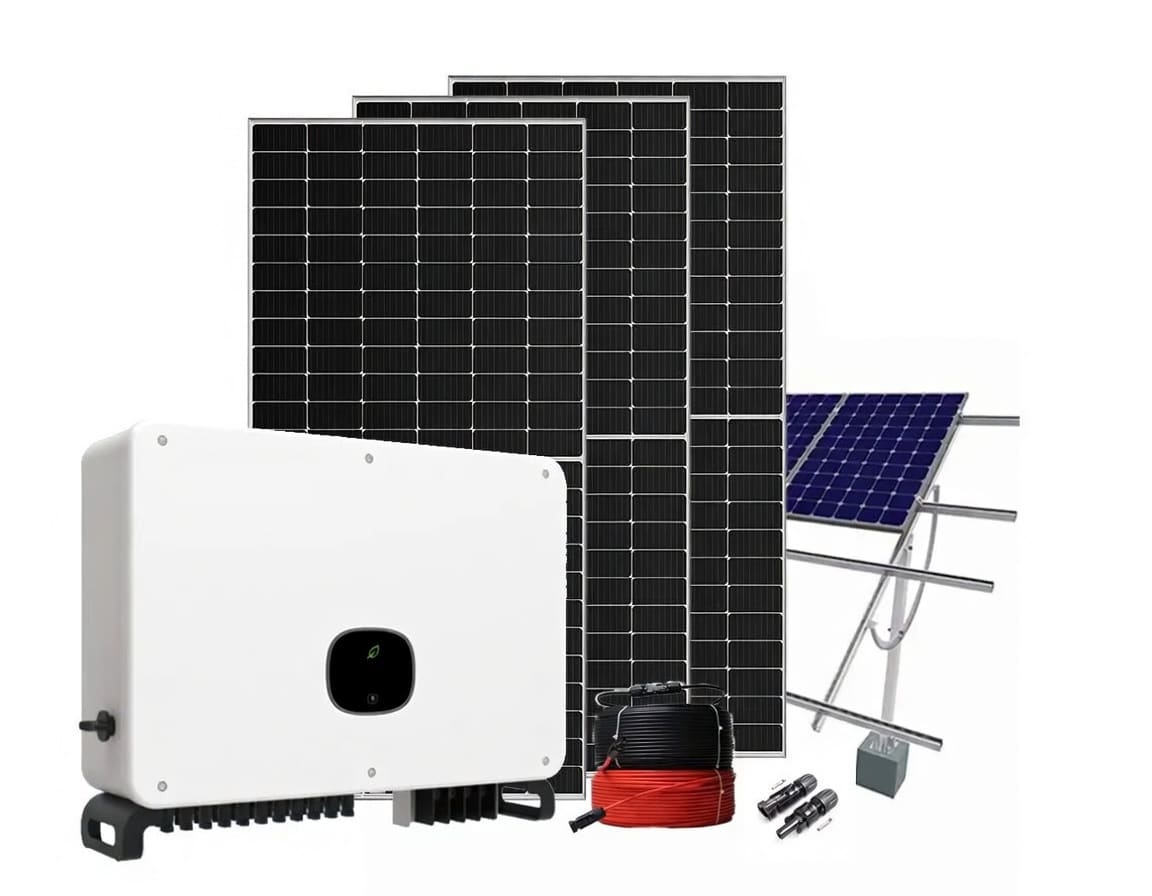
Frequently Asked Questions
Do lithium batteries degrade if not used?
Yes, all batteries experience a slow, natural degradation over time, even when not actively cycled. This is known as calendar aging. To minimize this, store the battery in a cool environment at a partial state of charge, usually around 50%.
Can I leave my lithium battery plugged in all the time?
Modern lithium battery systems come equipped with sophisticated Battery Management Systems that prevent overcharging. However, maintaining the battery at a constant 100% state of charge for prolonged periods can accelerate aging. It is generally safe, provided your equipment is configured correctly.
Are lithium batteries safe for home use?
Lithium iron phosphate (LiFePO4) batteries are incredibly safe. They are highly stable and not prone to thermal runaway, making them the preferred choice for residential solar setups.
How do I know when it is time to replace my battery?
You will notice a significant decrease in the amount of time the battery can power your loads after a full charge. When the battery frequently fails to sustain your energy needs through the night, it may be nearing the end of its useful life.
Ready to Upgrade Your Power System?
Investing in a high-quality lithium battery is the smartest decision you can make for a durable and reliable power system. Do not let power outages disrupt your business or home comfort.
As your sure plug for reliable solar product supplier and installation, we at Rayspark Solar provides top-tier products to meet everyone's budget and exact needs. Call/WhatsApp: +234 706 482 6896 to speak with our experts and secure your energy future today!