.jpg&w=3840&q=75)
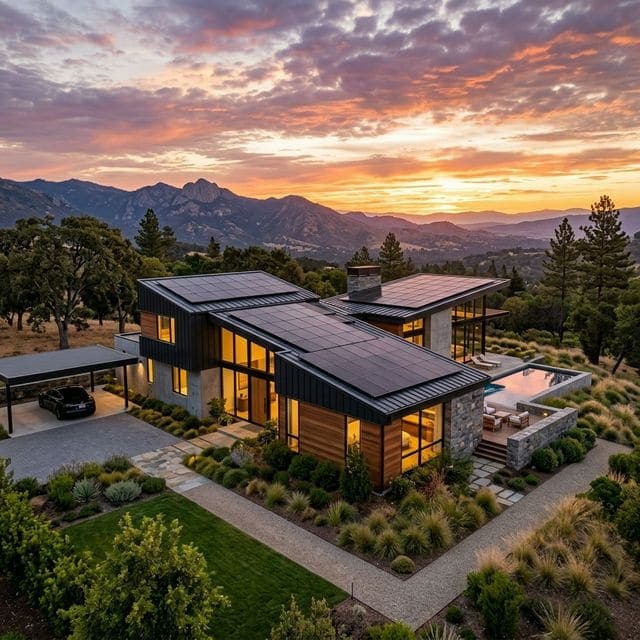
Solar for everyone: Pay Small Small
Don't let the cost stop you. Get this system installed today and pay in easy monthly installments over 6-24 months.
View Financing PlansAs your sure plug for reliable solar product supplier and installation, we at Rayspark Solar provides top-tier products to meet everyone's budget and exact needs. Call/WhatsApp: +234 706 482 6896
When it comes to the lifespan of solar panels, industry standards suggest that most high-quality solar panels last between 25 and 30 years. However, they do not simply stop working after this period; instead, their energy production capacity slightly degrades over time, typically maintaining about 80% to 85% of their original output.
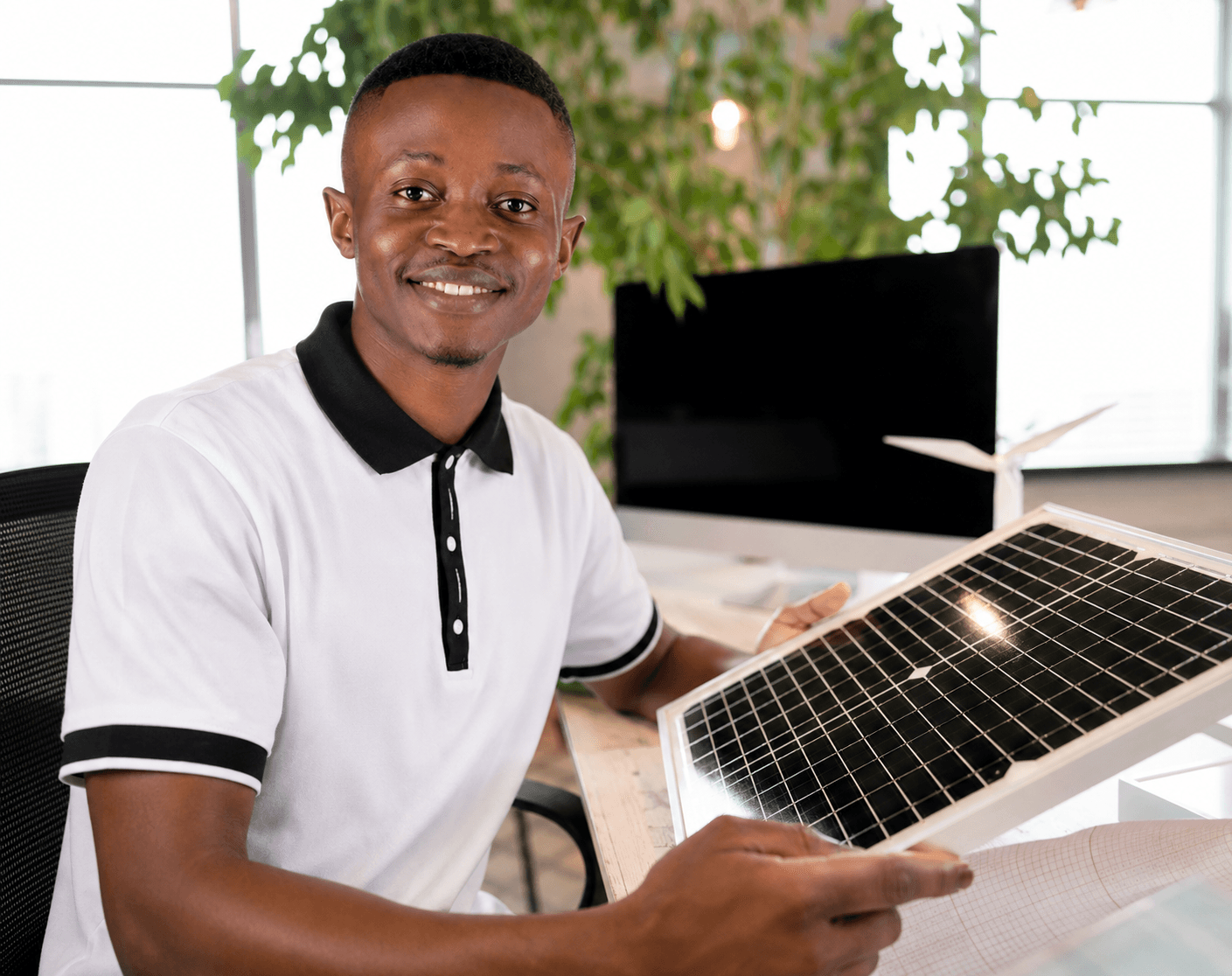
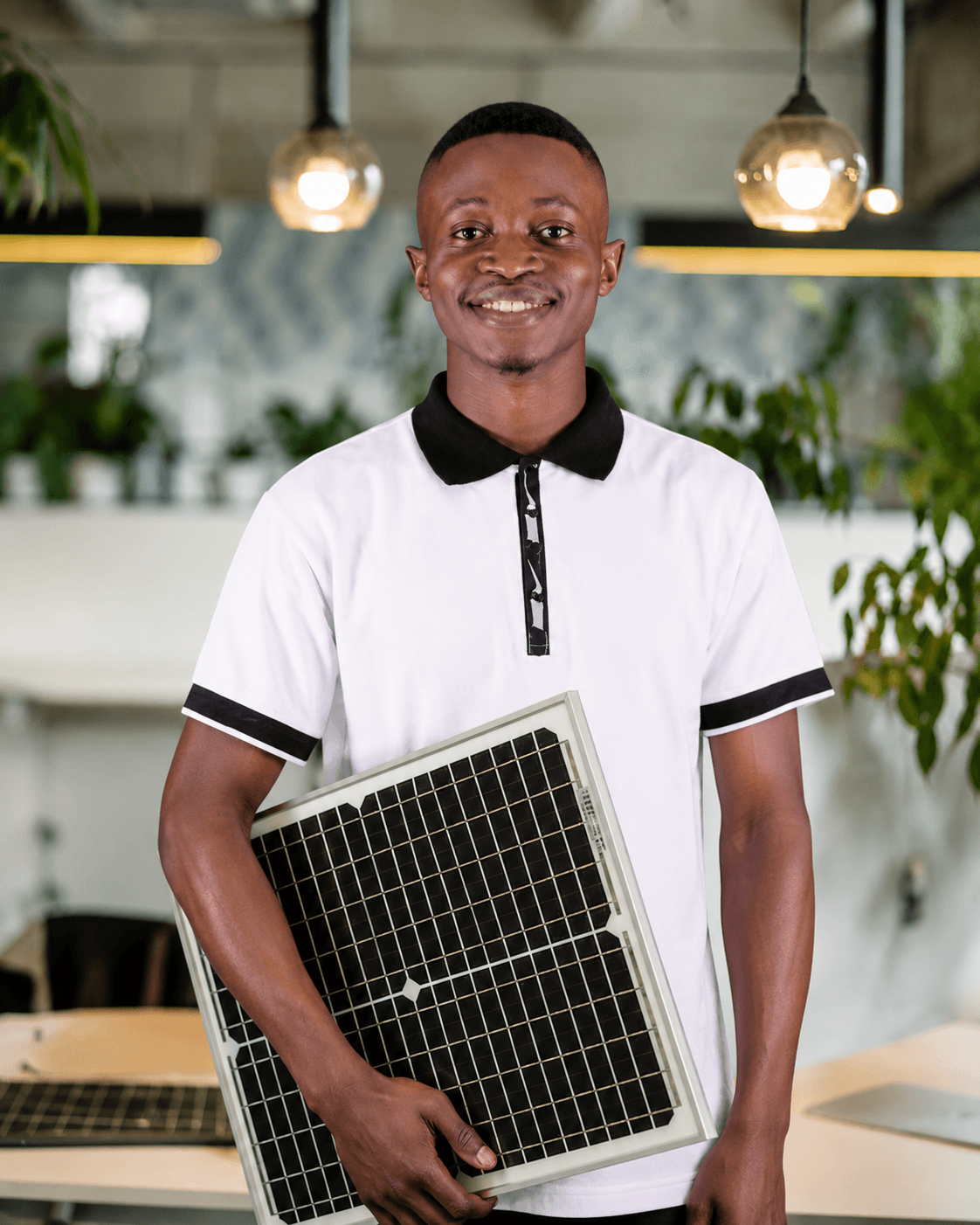
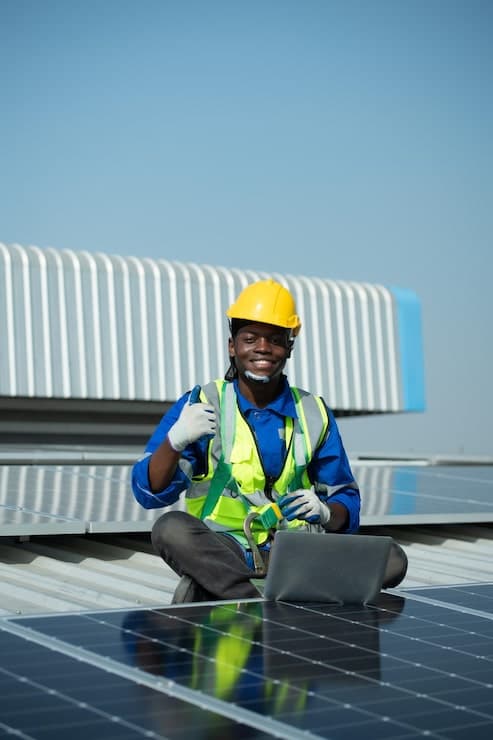
Our Team
Understanding Solar Panel Degradation
Solar panels are built to withstand the elements, including harsh winds, heavy rain, and even hail. But like any physical product exposed to the sun and weather, they experience a gradual loss of efficiency known as the degradation rate.
What is the Average Degradation Rate?
On average, solar panels degrade at a rate of 0.5% to 0.8% per year. This means that after 10 years, your panels will operate at about 92% to 95% of their original efficiency. By year 25, they should still be producing electricity at approximately 80% to 85% efficiency. Investing in high-tier panels often results in a lower degradation rate.
Factors That Affect the Lifespan of Solar Panels
While the 25 to 30-year timeframe is a reliable estimate, the exact lifespan of your solar system can be influenced by several factors:
1. Quality of Materials
The tier rating of the solar panels plays a massive role. Tier 1 solar panels are manufactured using premium silicon cells and robust protective glass, ensuring longevity and lower degradation. When you buy from a trusted vendor, you guarantee the quality of your installation.
2. Climate and Weather Conditions
Extreme weather can impact the physical integrity of your solar panels over time. Continuous exposure to extreme heat can accelerate degradation. However, modern panels are thoroughly tested to handle high temperatures and severe weather events.
3. Installation Standards
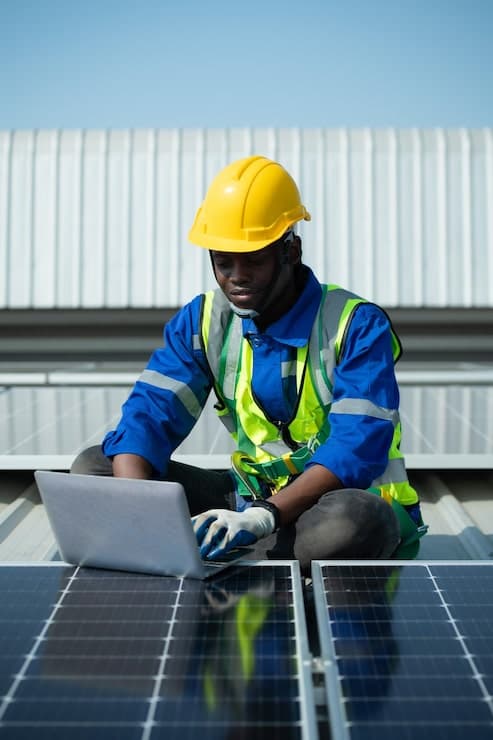
A proper installation is critical. Poor wiring, inadequate mounting, or incorrect angle placement can cause mechanical stress on the panels or lead to micro-cracks in the solar cells. Using experienced professionals ensures your system is secure.
4. Maintenance and Care
Solar panels require very little maintenance, but keeping them clean from dust, bird droppings, and debris ensures they absorb maximum sunlight. Periodic inspections can also help identify and resolve minor issues before they become major problems.
Pros and Cons of Long-lasting Solar Panels
To help you make an informed decision, here is a breakdown of the pros and cons of investing in high-quality solar systems:
Pros
- Long-term Savings: Producing your own electricity for decades drastically cuts or eliminates utility bills.
- Low Maintenance: With no moving parts, solar panels rarely require repairs.
- Environmental Benefits: Clean energy production reduces your carbon footprint for 25 to 30 years.
- Increased Property Value: Homes with installed solar systems often sell faster and at higher prices.
Cons
- Initial Investment: High-tier panels that last longer usually come with a higher upfront cost.
- Space Requirements: You need adequate roof space or ground area to install enough panels to meet your energy demands.
- Slight Efficiency Loss: Output will inevitably decrease as the system ages, though the drop is slow.
Maximizing the Lifespan of Your Solar System
If you want to ensure your investment lasts as long as possible while delivering optimal performance, follow these practical tips:
Regular Cleaning
Dust and dirt can block sunlight and create hotspots that damage solar cells. Clean your panels every few months or as needed, depending on your local environment.
Professional Inspections
Schedule annual check-ups with professionals. They can inspect the mounting hardware, wiring, and inverters to ensure everything is operating safely and efficiently.
Monitor System Performance
Keep an eye on your energy production metrics. A sudden drop in power generation might indicate an issue with a specific panel, the inverter, or shading from overgrown trees.
Upgrade the Inverter
While solar panels last 25 to 30 years, solar inverters typically have a lifespan of 10 to 15 years. Planning for an inverter replacement midway through the life of your panels will keep your system running smoothly.
Investing in Your Energy Future
Understanding how long solar panels last is crucial when planning your transition to renewable energy. The durability and long-term financial returns make solar an unbeatable investment for homes and businesses alike. If you are unsure about the size of the system you need, you can use our Solar Calculator to estimate your power requirements. Furthermore, you can explore our diverse Solar Packages tailored to suit different energy needs and budgets.
Frequently Asked Questions
Do solar panels require a lot of maintenance?
No, solar panels are remarkably low maintenance. Occasional cleaning to remove dust and debris, along with an annual professional inspection, is usually enough to keep them functioning optimally.
What happens to solar panels after 25 years?
After 25 years, solar panels do not break down. They simply produce slightly less electricity—typically around 80% of their original output. Many people continue to use them well beyond the 30-year mark.
Are warranties available for solar panels?
Yes, reputable manufacturers and installers offer performance and equipment warranties, often spanning 20 to 25 years, guaranteeing a certain level of output over time.
Can severe weather destroy my solar panels?
High-quality solar panels are built to endure harsh conditions, including heavy rain, high winds, and hail. Proper installation minimizes the risk of damage during severe weather.
Does the inverter last as long as the solar panels?
Inverters typically last between 10 and 15 years, meaning they will likely need to be replaced at least once during the 25 to 30-year lifespan of the solar panels.
Taking the leap into solar energy is a decision that pays off for decades. Stop worrying about rising electricity costs and power outages. As your sure plug for reliable solar product supplier and installation, we at Rayspark Solar provides top-tier products to meet everyone's budget and exact needs. Call/WhatsApp: +234 706 482 6896 to speak with our experts and secure your energy future today!