.jpg&w=3840&q=75)
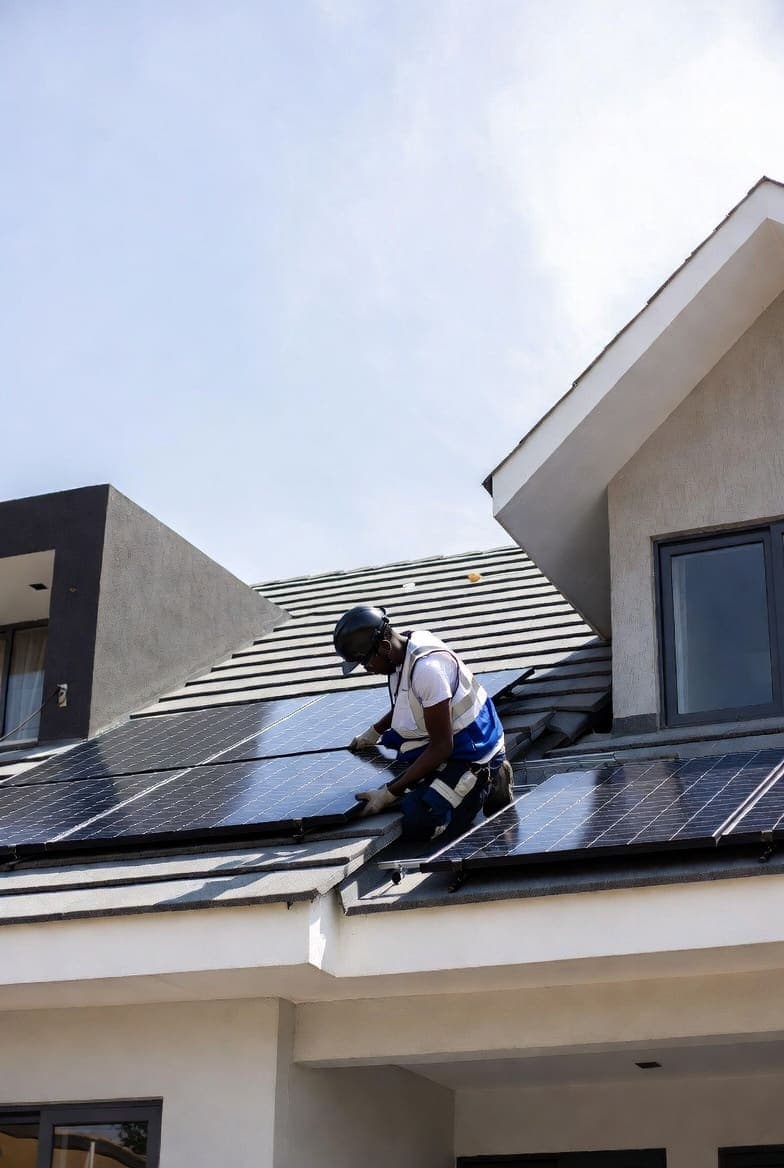
Solar for everyone: Pay Small Small
Don't let the cost stop you. Get this system installed today and pay in easy monthly installments over 6-24 months.
View Financing PlansAs your sure plug for reliable solar product supplier and installation, we at Rayspark Solar provides top-tier products to meet everyone's budget and exact needs. Call/WhatsApp: +234 706 482 6896
The price of a hybrid solar inverter in Nigeria typically ranges from NGN 250,000 to NGN 3,500,000 depending on the capacity, brand, and included features. For average residential use, a 5kVA hybrid inverter usually costs between NGN 500,000 and NGN 900,000.




Our Team
Understanding Hybrid Solar Inverters
A hybrid solar inverter is a critical component in any modern solar power system. Unlike traditional inverters that only convert direct current from batteries into alternating current, or grid-tied inverters that only push solar power to the grid, a hybrid inverter combines both functionalities. It intelligently manages power from your solar panels, your battery bank, and the national grid or a generator.
This smart management system ensures that your home or office remains powered at all times, automatically switching between power sources based on availability and pre-set preferences. In a country like Nigeria where grid power can be unreliable, investing in a hybrid system is one of the smartest decisions you can make to guarantee uninterrupted electricity.
How Does a Hybrid Inverter Work?
During the day, the solar panels generate direct current electricity. The hybrid inverter channels this power to run your household appliances. If the panels generate more power than is currently needed, the excess is used to charge your battery bank. Once the batteries are fully charged, some advanced hybrid models can even export excess power back to the grid, though this feature depends on local utility regulations. At night, or during power outages, the inverter seamlessly pulls energy from the batteries to keep your appliances running. If battery power runs low and grid power is available, it can draw from the grid to power the home and recharge the batteries simultaneously.
Typical Prices for Hybrid Solar Inverters in Nigeria
When budgeting for a hybrid solar inverter, it is important to factor in your specific power requirements. Below is a general price breakdown based on capacity:
- 1kVA to 3kVA Hybrid Inverters: Best suited for small apartments, basic lighting, fans, televisions, and charging laptops. Prices generally range from NGN 250,000 to NGN 450,000.
- 5kVA Hybrid Inverters: This is the most popular choice for average-sized homes. It can comfortably power lighting, fans, multiple televisions, refrigerators, and occasionally a small air conditioning unit. Expect prices between NGN 500,000 and NGN 900,000.
- 7.5kVA to 10kVA Hybrid Inverters: Designed for large homes or small to medium-sized offices. These can handle heavier loads including air conditioners, water pumps, and multiple heavy appliances. Prices typically range from NGN 1,200,000 to NGN 2,500,000.
- 15kVA and Above: These are industrial-grade or heavy-duty inverters for large commercial spaces or homes with exceptional power demands. Prices usually start around NGN 3,000,000 and can go significantly higher.
Please note that these prices are indicative and can fluctuate based on market conditions, exchange rates, and specific brand features.
Pros and Cons of Hybrid Solar Inverters
Before making a significant investment, it is helpful to weigh the advantages and disadvantages.
Pros
- Continuous Power Supply: They provide seamless transition between solar, battery, and grid power, ensuring you never experience a blackout.
- Cost Efficiency Over Time: By maximizing the use of free solar energy, you significantly reduce reliance on expensive generator fuel and grid electricity.
- Space Saving: Since the charge controller and inverter are housed in a single unit, it requires less installation space compared to traditional setups.
- Smart Monitoring: Most modern hybrid inverters come with built-in Wi-Fi and mobile applications, allowing you to monitor your energy generation and consumption in real-time.
- Battery Protection: Advanced built-in charge controllers prolong battery life by preventing overcharging and deep discharging.
Cons
- Higher Initial Cost: The upfront cost of a hybrid inverter is generally higher than that of a standard inverter of the same capacity.
- Complex Installation: They require professional installation to ensure all connections between the panels, batteries, and the grid are configured correctly.
- Maintenance: While generally low maintenance, any faults within the integrated system might require specialized technical support to resolve.
Key Features to Consider Before Buying
To ensure you get the best value for your money, consider the following features when selecting a hybrid inverter:
- Surge Capacity: Always check the surge capacity. Appliances with motors, like refrigerators and air conditioners, require a spike in power to start. Your inverter must handle this initial surge.
- Efficiency Rating: Look for inverters with high conversion efficiency (typically 93 percent or higher). This ensures minimal power loss during the conversion from direct current to alternating current.
- Battery Compatibility: Ensure the inverter is compatible with the type of batteries you plan to use, whether they are Lead-Acid, Gel, AGM, or the more modern Lithium-ion batteries.
- Warranty and Support: Purchase from reputable brands that offer comprehensive warranties and have reliable local service centers.
You can learn more about finding the right system size for your needs by using our solar calculator or exploring our pre-designed packages for bundled deals.
Installation and Maintenance Best Practices
Proper installation and maintenance are paramount to extending the lifespan of your hybrid inverter.
- Location: Install the inverter in a cool, dry, and well-ventilated area. Extreme heat can significantly reduce the efficiency and lifespan of the electronic components.
- Clearance: Ensure there is adequate space around the inverter for proper airflow.
- Regular Cleaning: Keep the inverter free from dust and debris. A quick wipe down with a dry cloth periodically is usually sufficient.
- Professional Servicing: Schedule an annual inspection with a qualified solar technician to check connections, clean components, and ensure the system is operating optimally.
Frequently Asked Questions
What is the difference between a normal inverter and a hybrid inverter?
A normal inverter only converts battery power to usable alternating current power. A hybrid inverter goes a step further by integrating a solar charge controller. It manages inputs from solar panels, batteries, and the grid simultaneously to provide the most efficient power solution.
Can a hybrid inverter work without batteries?
Yes, some advanced grid-tied hybrid inverters can operate without batteries by feeding power directly from the solar panels to your load or the grid. However, without batteries, you will not have power during a grid outage at night. For the Nigerian context, using batteries is highly recommended.
How long does a hybrid inverter last?
With proper installation and maintenance, a high-quality hybrid inverter can last between ten to fifteen years. Ensuring it operates within a cool environment and is not frequently overloaded will maximize its lifespan.
Are hybrid inverters worth the extra cost?
Absolutely. The convenience of a single integrated unit, smart power management, and the ability to significantly reduce fuel costs make the initial investment worthwhile. The long-term savings generally offset the higher upfront price.
Conclusion
Investing in a hybrid solar inverter is a substantial step toward achieving energy independence and lowering your long-term electricity expenses. By understanding the pricing landscape and the features that matter most, you can make an informed decision that suits both your power requirements and your budget.
Ready to make the switch to reliable, clean energy? Do not let power outages disrupt your life or business any longer. As your sure plug for reliable solar product supplier and installation, we at Rayspark Solar provides top-tier products to meet everyone's budget and exact needs. Call/WhatsApp: +234 706 482 6896 to speak with our experts and secure your hybrid solar inverter today!