.jpg&w=3840&q=75)
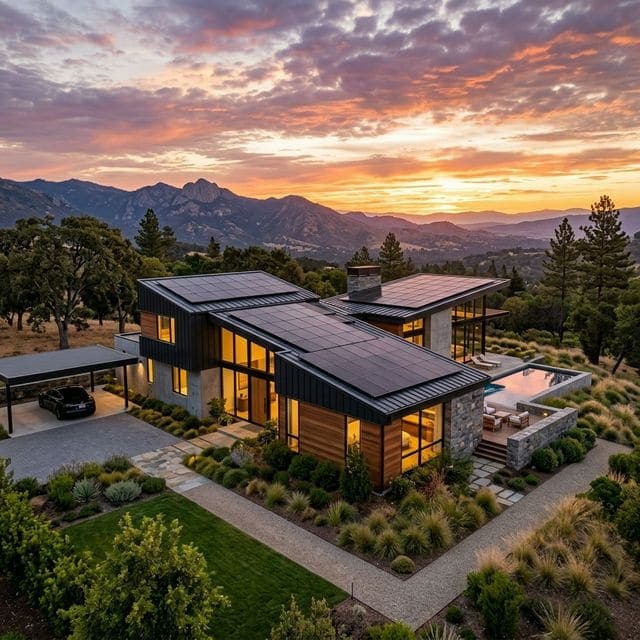
Solar for everyone: Pay Small Small
Don't let the cost stop you. Get this system installed today and pay in easy monthly installments over 6-24 months.
View Financing PlansAs your sure plug for reliable solar product supplier and installation, we at Rayspark Solar provides top-tier products to meet everyone's budget and exact needs. Call/WhatsApp: +234 706 482 6896.
Yes, solar is absolutely worth it in Nigeria. With the continuous rise in electricity tariffs and the persistent unreliability of the national grid, investing in a solar power system offers significant long-term financial savings, uninterrupted power supply, and a reliable return on investment, typically paying for itself within two to three years while providing clean energy for decades.
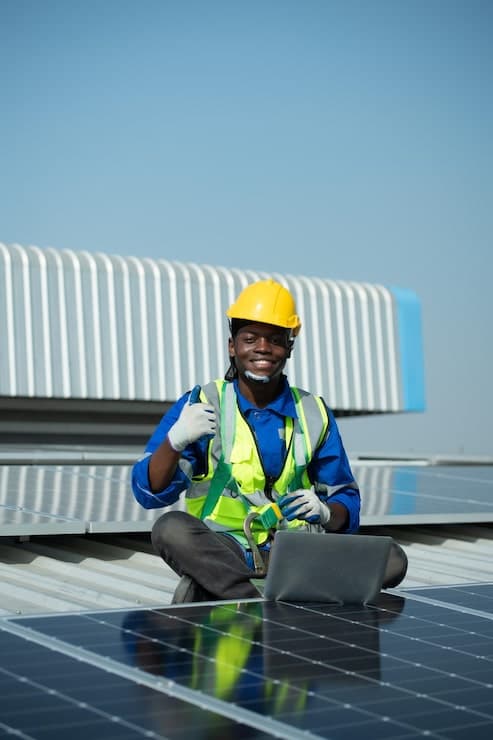
Our Team
The Reality of Power Supply in Nigeria
The energy landscape in Nigeria has always been challenging. Many households and businesses rely heavily on the national grid, which is notorious for frequent collapses and unpredictable power rationing. To bridge the gap, Nigerians have historically turned to petrol and diesel generators. However, recent economic shifts, notably the removal of fuel subsidies, have caused the cost of running traditional generators to skyrocket, making them an unsustainable option for the average homeowner and business operator.
This dramatic increase in operational costs has prompted a massive shift towards alternative energy sources, with solar energy emerging as the most viable, reliable, and cost-effective solution. But the lingering question for many remains: is the initial investment in solar energy truly worth it?
Financial Implications: Solar vs. Generators
To understand the true value of a solar installation, we must compare it with the traditional alternative.
The Cost of Running a Generator
Running a generator involves continuous, recurring expenses. You have to purchase fuel regularly, schedule frequent maintenance, buy engine oil, and eventually replace worn-out parts. Over a single year, a business or a moderately sized home can spend millions of Naira just on fuel and maintenance. This continuous financial drain makes generators a liability rather than an asset.
The Cost of Solar Power
In contrast, solar power systems require a significant upfront capital investment. Purchasing solar panels, deep-cycle batteries, a pure sine wave inverter, and paying for professional installation can seem daunting. However, once installed, the recurring costs are virtually zero. The sun provides free energy daily. The only maintenance required is occasional cleaning of the solar panels and eventually replacing the batteries after several years, depending on the battery chemistry you choose (such as Lithium-ion, which can last over a decade).
Pros and Cons of Solar Energy in Nigeria
Before making a decision, it is essential to weigh the advantages and disadvantages.
Pros
- Drastic Reduction in Energy Costs: Once installed, your monthly electricity bills will plummet. You no longer need to budget exorbitant amounts for fuel.
- Uninterrupted Power Supply: Solar systems coupled with battery storage ensure you have power during grid outages, keeping your home comfortable and your business running smoothly.
- Low Maintenance: Unlike generators that require constant servicing, solar setups have very few moving parts. Routine cleaning of panels is usually sufficient.
- Silent Operation: Solar panels and inverters operate silently, eliminating the noise pollution associated with generators.
- Environmental Benefits: Solar energy is clean and green, reducing your carbon footprint and eliminating harmful exhaust fumes.
Cons
- High Initial Investment: The upfront cost of purchasing high-quality equipment is significant.
- Space Requirements: Solar panels require adequate roof space or ground area with unobstructed access to sunlight.
- Weather Dependency: Power generation drops during heavy rains or continuous cloudy days, though a properly sized battery bank will compensate for this.
The Impact of Solar on Businesses in Nigeria
For businesses in Nigeria, the cost of power is one of the highest operational expenses. Supermarkets, corporate offices, IT firms, clinics, and manufacturing units suffer immense losses when power supply is interrupted. Diesel generators eat deeply into profit margins. By switching to a solar power solution, businesses can fix their energy costs for the next decade. The return on investment for commercial solar installations is exceptionally fast, often paying off within two years. Furthermore, having a reliable power source improves overall productivity, as employees can work without the constant disruption, vibration, and noise of traditional generators.
Factors to Consider Before Buying a Solar System
If you have decided that solar is worth it, there are several key factors to consider to ensure you get the best value for your money.
1. Understanding Your Energy Needs
You cannot buy a solar system blindly. You must calculate your total energy consumption. Make a list of all the appliances you intend to power and note their wattage. This step is crucial because it determines the size of the inverter, the capacity of the batteries, and the number of solar panels you will need. For assistance, you can use our Solar Calculator to get an accurate estimate of your requirements.
2. Quality of Components
The solar market is flooded with various brands. It is tempting to go for the cheapest options, but poor-quality panels or fake batteries will degrade quickly and cost you more in the long run. Always insist on tier-one solar panels and reputable inverter brands. At Rayspark Solar, we guarantee the authenticity and quality of every component we supply.
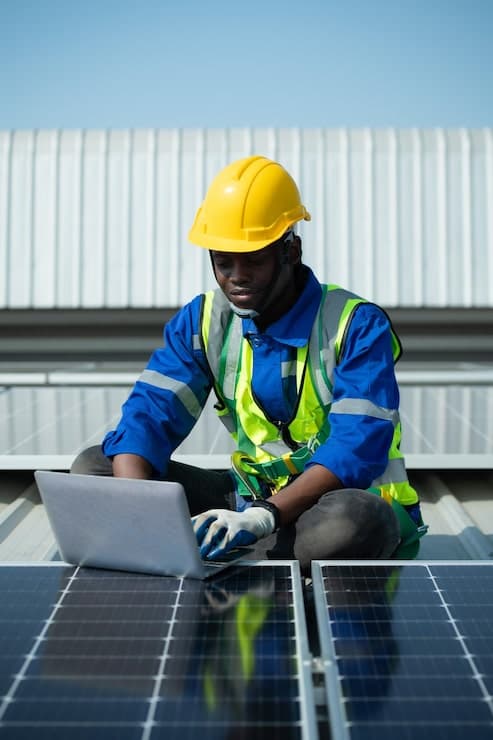
3. Professional Installation
Even the best equipment will underperform if poorly installed. Incorrect wiring, wrong panel placement, or inadequate safety breakers can lead to system failure or even fire hazards. Always hire experienced professionals to handle your installation.
Exploring Solar Packages
Depending on your budget and energy needs, there are various configurations available. From small setups designed to power basic lighting, fans, and a television, to massive installations capable of running air conditioners, industrial freezers, and office buildings. You can browse our comprehensive list of Solar Packages to find a system that perfectly aligns with your specific needs.
The Verdict: A Resounding Yes
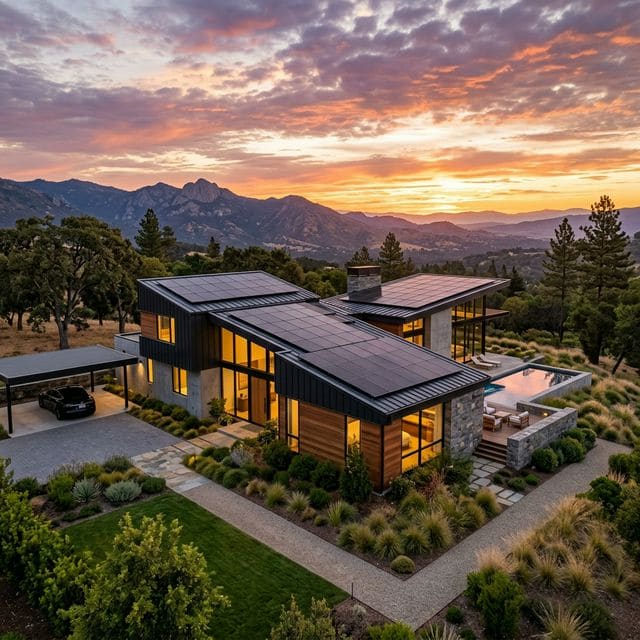
When you factor in the daily savings on fuel, the protection against rising electricity tariffs, the comfort of uninterrupted power, and the peace of mind that comes with a silent, clean energy source, solar energy is undeniably worth it in Nigeria. It is no longer a luxury for the wealthy; it is a vital necessity for anyone looking to secure their energy independence and drastically reduce their living or operational costs.
Frequently Asked Questions
How long do solar panels last in Nigeria? High-quality solar panels are designed to last for 25 to 30 years. They will continue to generate electricity efficiently throughout their lifespan, although there might be a very slight degradation in output over the decades.
Can solar power run air conditioners and heavy appliances? Yes, absolutely. A properly sized solar power system with a high-capacity inverter and a robust battery bank can comfortably run air conditioners, pumping machines, and large refrigerators.
Do I still need the national grid if I have solar? This depends on your setup. You can go completely off-grid, but many people prefer a hybrid system. A hybrid inverter can use solar energy during the day, store excess in batteries, and switch to the national grid only when necessary, providing maximum efficiency.
What happens during the rainy season? Solar panels still generate power during cloudy or rainy days, though at a reduced rate. A well-designed system will have enough battery storage capacity to carry you through periods of low sunlight.
Is it safe to install solar panels on my roof? Yes, it is entirely safe when done by certified professionals. The installation process involves secure mounting systems designed to withstand heavy winds and protect your roof from damage.
Contact Us Today
Investing in solar is investing in your peace of mind and financial future. Stop wasting money on expensive fuel and constant generator repairs. Make the switch today and join thousands of Nigerians enjoying reliable, round-the-clock electricity.
Call or WhatsApp: +234 706 482 6896 to buy from the Rayspark Solar store. Our experts are ready to guide you through the process, recommend the perfect system for your needs, and handle the complete professional installation.