.jpg&w=3840&q=75)
Solar for everyone: Pay Small Small
Don't let the cost stop you. Get this system installed today and pay in easy monthly installments over 6-24 months.
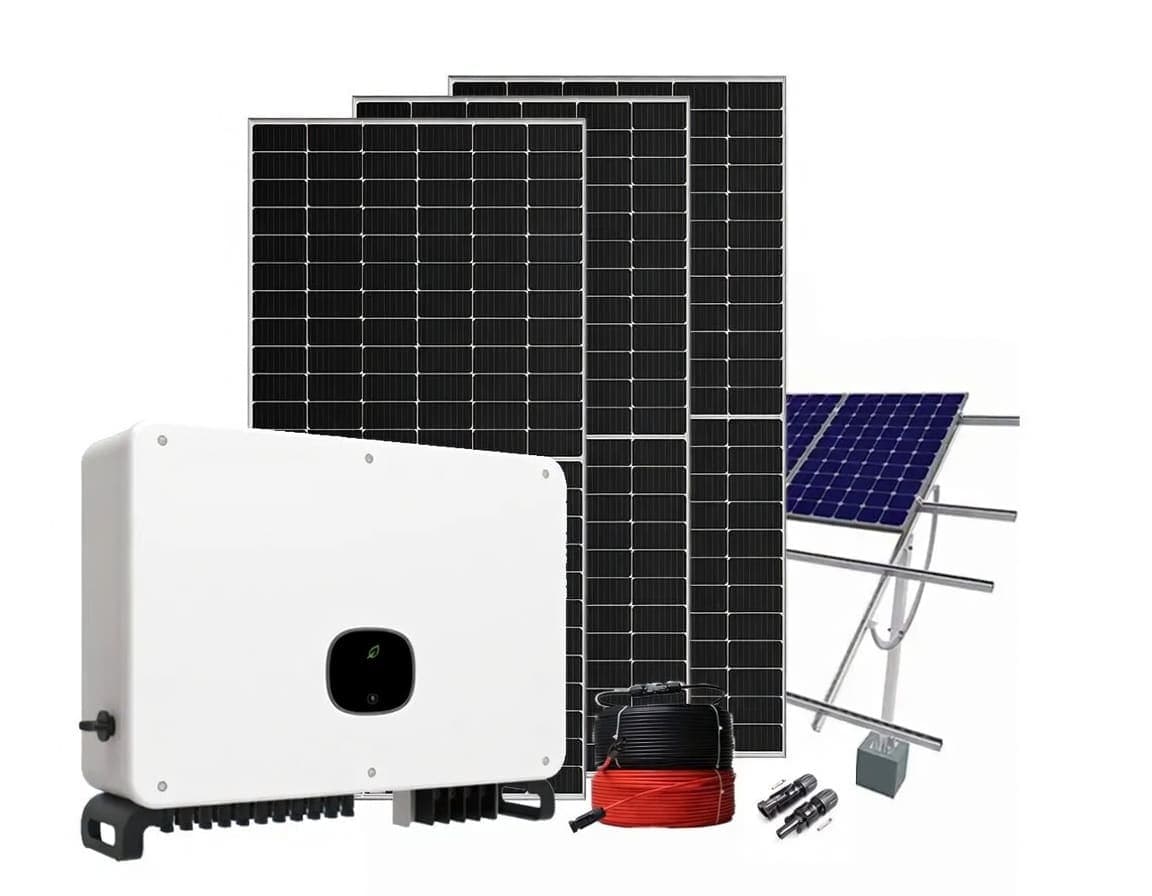
View Financing PlansAs your sure plug for reliable solar product supplier and installation, we at Rayspark Solar provides top-tier products to meet everyone's budget and exact needs. Call/WhatsApp: +234 706 482 6896
Replacing a generator with a solar system in Nigeria typically costs between ₦500,000 to over ₦5,000,000 depending on your energy needs. A basic setup for lighting, fans, and a television can be achieved with a smaller budget, while running heavy appliances like air conditioners and pumping machines requires a high-capacity inverter, multiple solar panels, and lithium batteries. Making the switch eliminates fuel costs, reduces noise pollution, and provides uninterrupted 24/7 electricity.
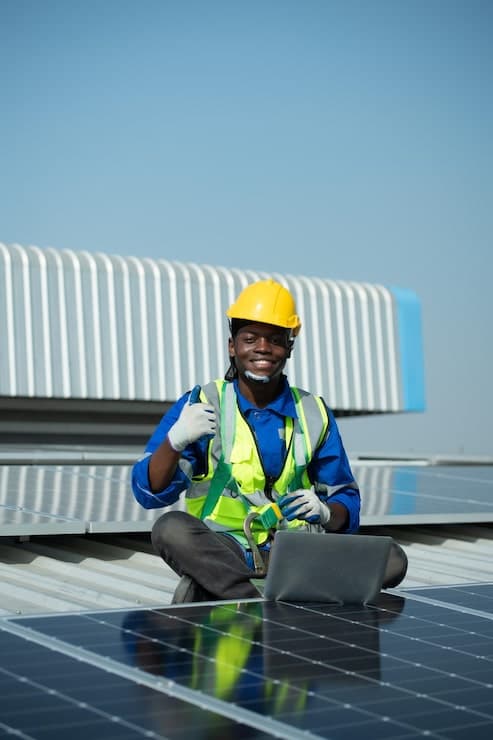
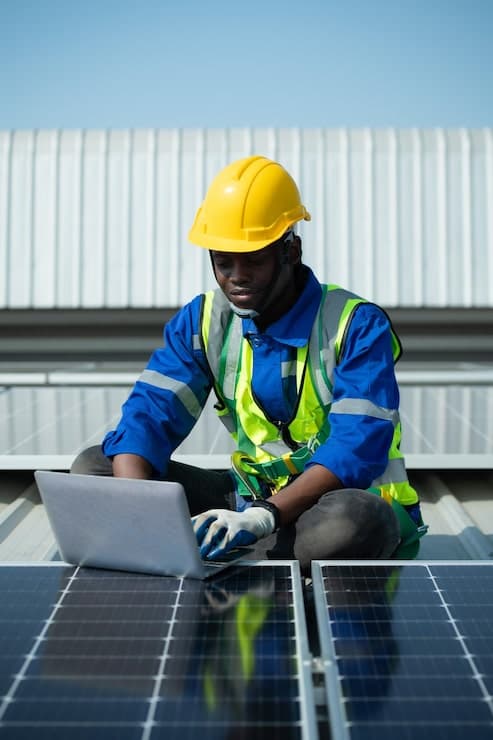
Our Team
Why You Should Replace Your Generator With Solar in Nigeria
Nigeria has historically struggled with inconsistent power supply from the national grid. For decades, businesses and households have relied heavily on petrol and diesel generators to bridge the gap. However, recent economic shifts, including the removal of fuel subsidies and the rising cost of living, have made running a generator incredibly expensive and unsustainable for many. The daily cost of fuel, coupled with regular maintenance, oil changes, and frequent sudden repairs, creates a massive financial burden that eats into profits and household budgets alike.
Transitioning to a solar inverter system is no longer just a luxury; it is a financial necessity and an investment in peace of mind. A solar setup harnesses the abundant sunlight in Nigeria to generate free, clean electricity, storing excess power in deep-cycle batteries for nighttime use. This transition completely removes the daily anxiety of buying fuel, enduring the long queues at filling stations, and dealing with noisy, polluting generators that disturb your neighborhood.
Furthermore, businesses that switch to solar energy enjoy a competitive advantage. With lower overhead costs and guaranteed power, productivity increases significantly. You no longer have to halt operations because a generator broke down or because there is a local fuel scarcity.
The True Cost of Running a Generator
To understand the immense value of a solar system, you must accurately calculate the true cost of running a generator. Consider a standard household or small business running a medium-sized generator for just ten hours daily. The cost of petrol or diesel, engine oil, spark plugs, filters, and periodic servicing quickly adds up to millions of Naira annually. Over a typical five-year period, the total amount spent on fueling and maintaining a generator far exceeds the initial investment required for a highly robust, premium solar power system. In stark contrast, once a solar system is professionally installed, the daily operational cost drops to practically zero, offering a rapid return on investment.
Components Needed to Replace Your Generator
When making the switch, it is vital to understand the core components of a modern solar power system. This foundational knowledge ensures you make an informed purchasing decision and invest in equipment that precisely meets your specific power requirements.
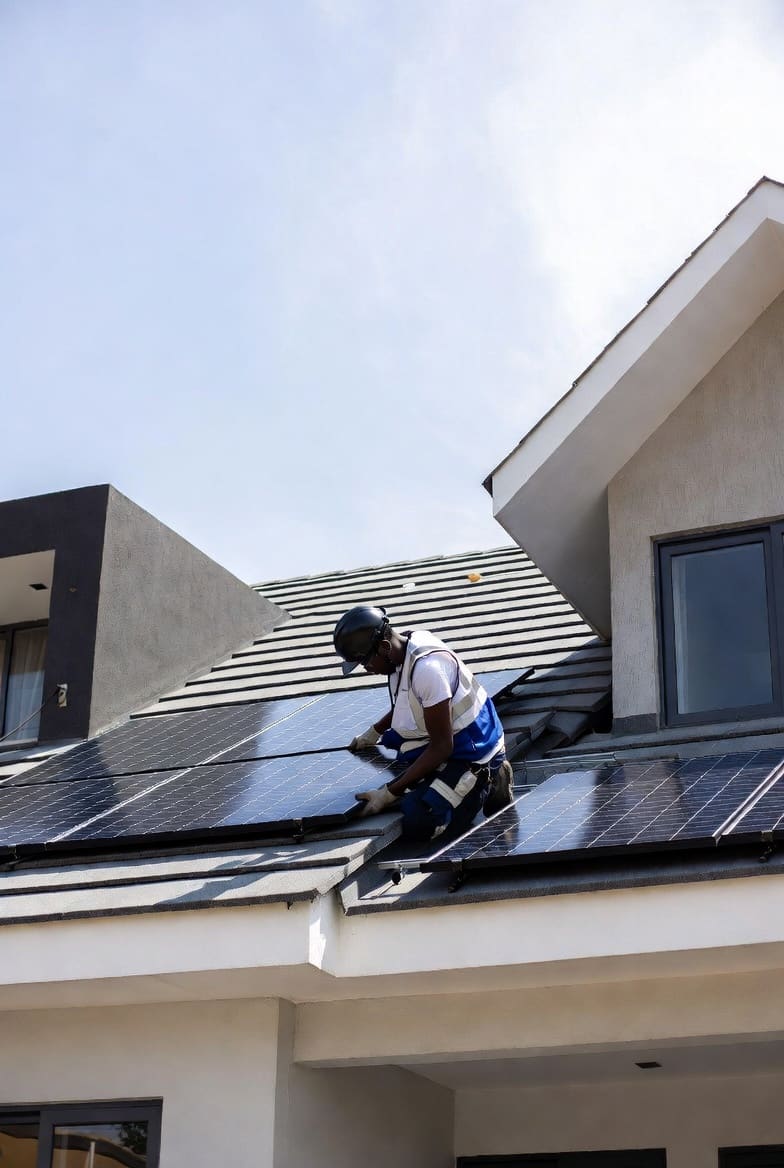
Solar Panels
Solar panels are the primary source of power generation. They are installed on your roof to capture sunlight and convert it into direct current electricity. The total number and wattage of the panels required depend on your daily power consumption. High-efficiency monocrystalline panels are highly recommended for the Nigerian climate as they perform exceptionally well even on cloudy days and during the rainy season.
Inverter
The inverter acts as the central brain of the solar system. It converts the direct current electricity generated by the panels and stored in the batteries into alternating current electricity, which is what your home and office appliances use. Selecting a pure sine wave inverter is absolutely critical, as it provides clean, stable, and safe power that protects sensitive electronics like smart televisions, refrigerators, and computers from permanent damage.
Deep Cycle Batteries
Batteries store the energy generated during the day for use at night or during overcast periods. The battery bank is often the most significant and important investment in a solar setup. While tubular lead-acid batteries are common and affordable for beginners, lithium-ion batteries are strongly recommended for maximum performance. Lithium batteries offer a much longer lifespan, deeper discharge capabilities, faster charging times, and require zero maintenance, making them far highly cost-effective in the long run.
Charge Controller
The charge controller regulates the voltage and current coming from the solar panels to the batteries. It prevents dangerous overcharging, which can permanently damage the battery bank. A Maximum Power Point Tracking (MPPT) charge controller is the best and most efficient option as it maximizes the energy harvested from the panels under varying weather conditions.
Pros and Cons of Switching to Solar
Before finalizing your decision to ditch the generator, consider the comprehensive advantages and potential drawbacks of replacing it with a full solar power system.
Pros
- Zero Fuel Costs: Once the system is installed, the energy generated by the sun is entirely free, permanently eliminating the need to purchase expensive petrol or diesel.
- No Noise Pollution: Solar systems operate silently, providing a peaceful and serene environment for residential homes and corporate offices.
- Low Maintenance: Unlike mechanical generators with moving parts that require frequent and messy servicing, solar systems require very minimal maintenance, primarily just occasional cleaning of the solar panels to remove dust.
- Uninterrupted Power: With an adequately sized battery bank and inverter, you will enjoy seamless 24/7 electricity, regardless of national grid outages or localized power failures.
- Environmentally Friendly: Solar power produces zero toxic emissions, significantly reducing your carbon footprint and contributing to a cleaner, healthier environment for your community.
- Increased Property Value: Homes and commercial buildings equipped with reliable, permanent solar systems often attract higher property values and rental rates.
Cons
- High Initial Investment: The upfront capital cost of purchasing solar panels, high-capacity inverters, and high-quality lithium batteries can be substantial. Check out our pre-designed solar packages tailored to different financial plans.
- Space Requirements: Solar panels require adequate and unshaded roof space or a secure ground area with maximum exposure to direct sunlight throughout the day.
- Weather Dependency: Total power generation is naturally reduced during heavy rains or prolonged cloudy days. However, a properly designed system with an oversized battery bank effectively mitigates this issue.
Steps to Switch from Generator to Solar
Transitioning to solar power requires careful, methodical planning to ensure the final system flawlessly meets your daily expectations.
- Comprehensive Energy Audit: The crucial first step is to calculate your total energy consumption. List all the appliances you intend to power, their individual wattage, and the average number of hours you use them daily. This calculation accurately determines the size of the inverter, the number of panels, and the necessary battery capacity. You can easily use our online calculator or speak to our representatives to simplify this process.
- Determine Your Budget: Based on the results of the energy audit, establish a realistic financial budget. If the ideal target system exceeds your current available budget, consider a pragmatic phased approach. Start with a robust inverter and quality batteries to store grid power, and add the solar panels later when funds permit.
- Consult Trusted Experts: Avoid the dangerous temptation of DIY installations or using unqualified technicians for complex electrical setups. Always consult professional solar installers who can design a custom system tailored to your specific needs and ensure safe, code-compliant wiring.
- Invest in Quality Products: Make sure you invest in high-quality, reputable, and warrantied brands for your inverter, batteries, and panels. Cheap alternatives often fail prematurely, pose fire risks, and end up costing significantly more in frequent replacements.
- Professional Installation: Proper, professional installation is absolutely crucial for the long-term performance, efficiency, and safety of the solar system. Ensure the installation team uses the appropriate gauge cables, dedicated DC breakers, and specialized surge protectors.
Frequently Asked Questions
Can a solar system completely replace my generator? Yes, a properly sized and professionally installed solar system can completely replace a generator. It simply requires an accurate assessment of your peak power needs and an adequate number of panels and batteries to ensure continuous power availability throughout the day and night.
How long do solar batteries last? The lifespan heavily depends on the battery chemistry and quality. Deep-cycle lead-acid batteries typically last 3 to 5 years, while premium high-quality lithium-ion batteries can easily last 10 to 15 years with proper care and usage.
Can solar power my air conditioners and pumping machines? Absolutely. However, powering heavy inductive loads like large air conditioners and water pumps requires a high-capacity pure sine wave inverter and a very robust battery bank. We often recommend dedicated standalone systems or hybrid setups specifically designed for such heavy household appliances.
Do solar panels work when it is raining? Solar panels still capture ambient light and generate electricity on rainy or cloudy days, but their overall efficiency and output are reduced. A well-designed, professional system, built to comply with international energy standards, accounts for this weather variance by having sufficient battery storage capacity to comfortably cover periods of low direct sunlight.
Is it expensive to maintain a solar system? No, ongoing maintenance costs are extremely low. The primary and often only requirement is keeping the solar panels clean and free from accumulated dust, bird droppings, and debris to ensure maximum sunlight absorption and optimal daily performance.
Make the Switch Today
Stop burning your hard-earned money on increasingly expensive fuel and endless, frustrating generator repairs. Make the smart, strategic investment that rapidly pays for itself over time. Contact Rayspark Solar today for a professional energy audit and let our expert team design the perfect, long-lasting solar solution for your home or business.
Call/WhatsApp: +234 706 482 6896