.jpg&w=3840&q=75)
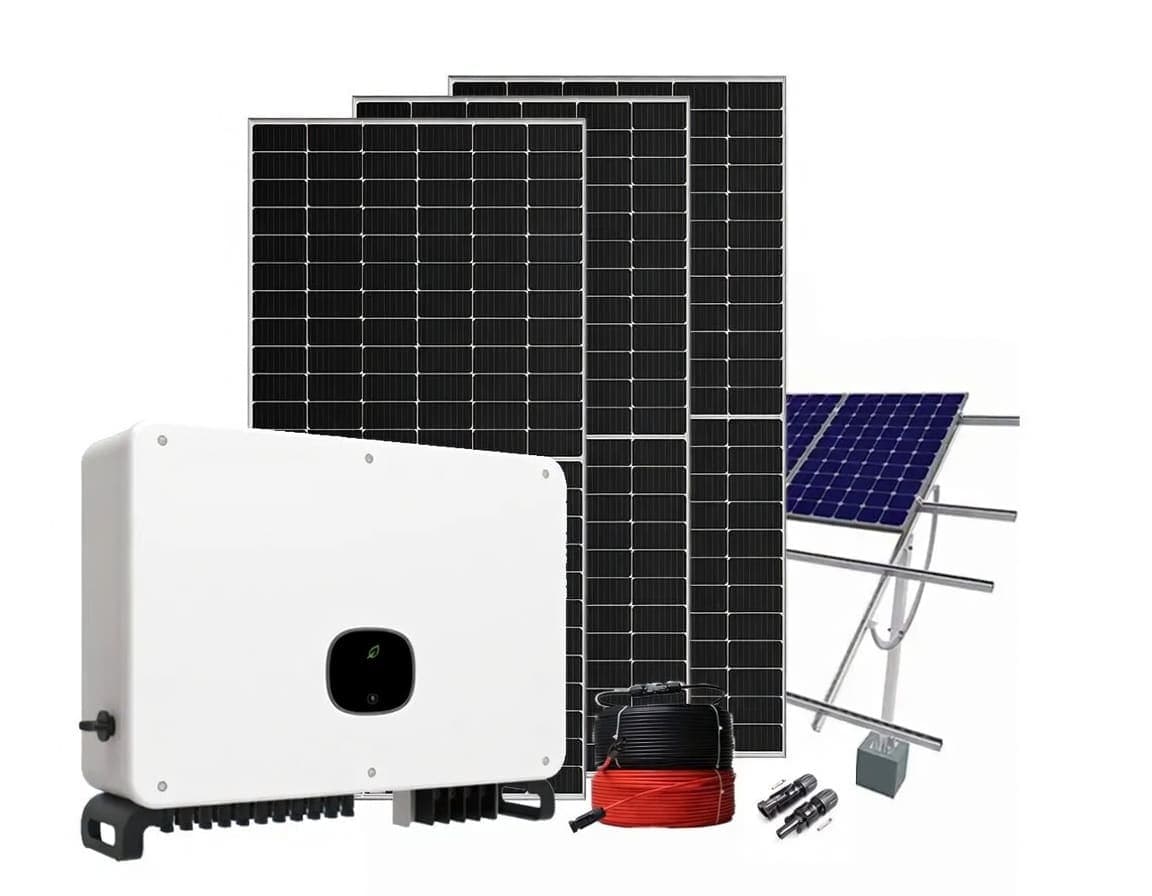
Solar for everyone: Pay Small Small
Don't let the cost stop you. Get this system installed today and pay in easy monthly installments over 6-24 months.
View Financing PlansAs your sure plug for reliable solar product supplier and installation, we at Rayspark Solar provides top-tier products to meet everyone's budget and exact needs. Call/WhatsApp: +234 706 482 6896
The cost of a solar energy system in Nigeria typically ranges from NGN 600,000 for basic setups to over NGN 15,000,000 for comprehensive high-capacity commercial installations, depending on the inverter size, battery type, and solar panel array required to meet your specific energy demands.

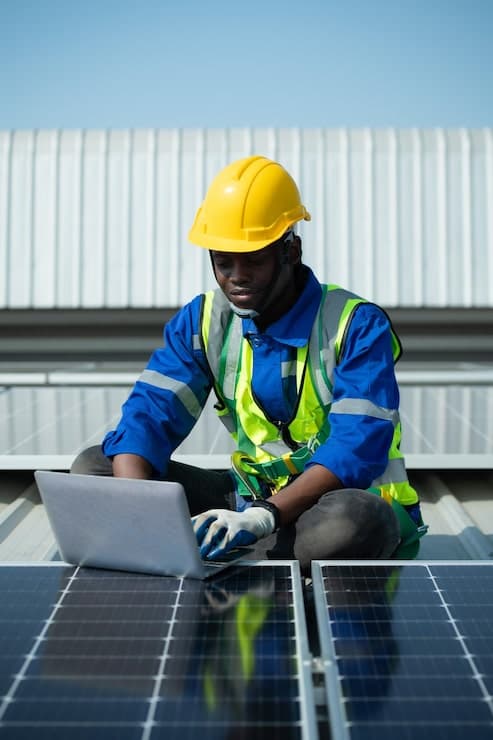
Our Team
Understanding Solar Energy System Costs in Nigeria
Nigeria's power supply challenges have made solar energy systems not just a luxury, but an absolute necessity for households and businesses aiming for uninterrupted power. However, understanding the pricing dynamics can be complex for a first-time buyer. A solar energy system is not a single product but an intricate combination of several distinct components: solar panels, inverters, batteries, charge controllers, and necessary installation accessories like mounting racks and heavy-duty cables. Each of these individual components significantly influences the final cost of the complete system.
When reviewing any solar energy system price list with warranty in Nigeria, it is crucial to focus on the long-term value and reliability rather than just the initial setup cost. Systems with robust, manufacturer-backed warranties often come at a premium but provide invaluable peace of mind. They offer protection against premature component failure and ensure that your investment will yield dividends in the form of free electricity for many years. Opting for the cheapest available quote often leads to substandard components, frequent breakdowns, and ultimately, higher long-term costs due to continuous replacements.
Components That Determine the Price
To fully grasp the price variations you will encounter in the market, you must understand the key components that make up a functional system:
Solar Panels
The solar panels are responsible for capturing sunlight and converting it into direct current electricity. The price depends heavily on the wattage rating of the panel and the underlying technology. Monocrystalline panels are generally more space-efficient and perform better in low-light conditions, making them slightly more expensive than Polycrystalline panels.
Inverters
The inverter is the brain of the system; it converts the direct current (DC) generated by the panels and stored in batteries into the alternating current (AC) used by your standard household appliances. Pure sine wave inverters are highly recommended, as they produce clean power safe for sensitive electronics like laptops, medical equipment, and modern televisions, though they are more costly than older modified sine wave inverters. The capacity of the inverter (measured in KVA or kW) dictates how many appliances you can run simultaneously and directly impacts the price.
Solar Batteries
Batteries are arguably the most critical and expensive component. They store the energy generated during the sunny hours for use at night or during overcast periods. Deep cycle batteries come in various technologies, including Tubular Lead-Acid, Gel, and modern Lithium-ion. Lithium-ion batteries (such as LiFePO4) are currently the gold standard in the renewable energy industry due to their vastly longer lifespan, deeper depth of discharge, and comprehensive warranties. Although they command the highest upfront price, they are the most economical choice when calculated over a ten-year period.
Detailed Solar Energy System Price List with Warranty
Below is a general breakdown of solar energy system packages, indicative pricing, and expected warranties. Please note that market prices fluctuate based on exchange rates and component availability, so contacting us directly is the best way to get a precise, customized quote.
1. Basic Setup: 1KVA to 2KVA Systems
Ideal for small apartments, self-contained rooms, or providing backup for basic essential loads such as lighting, fans, a television, and charging essential devices.
- Estimated Price Range: NGN 600,000 - NGN 1,500,000
- Typical Components: 1KVA or 2KVA Inverter, 1 to 2 units of 200Ah/220Ah Tubular or Gel Batteries, 2 to 4 units of 300W-450W Solar Panels.
- Expected Warranty: 12 to 18 months on Inverters and Batteries; 20+ years performance warranty on Solar Panels.
2. Intermediate Setup: 3KVA to 5KVA Systems
Perfect for standard 3-bedroom to 4-bedroom residential flats. These robust systems can confidently power lighting, fans, multiple televisions, refrigerators, deep freezers, and sometimes a low-energy water pumping machine.
- Estimated Price Range: NGN 1,800,000 - NGN 4,500,000
- Typical Components: 3KVA to 5KVA Pure Sine Wave Hybrid Inverter, 2 to 4 units of 200Ah/220Ah Tubular Batteries or a single 5kWh Lithium-ion Battery pack, 6 to 10 units of 400W-550W Solar Panels.
- Expected Warranty: 1 to 2 years on Lead-Acid/Tubular batteries; 3 to 5 years on Lithium-ion batteries; 1 to 2 years on Inverters; 20+ years on Solar Panels.
3. Advanced Setup: 7.5KVA to 10KVA Systems
Designed for large luxury homes, duplexes, or small-to-medium businesses. These high-capacity systems can support heavier inductive loads, including inverter air conditioners (used conservatively), multiple cooling units, and extensive compound lighting.
- Estimated Price Range: NGN 5,000,000 - NGN 12,000,000
- Typical Components: 7.5KVA to 10KVA Hybrid Inverter, 10kWh to 15kWh Lithium-ion Battery Bank, 12 to 20 units of high-wattage Solar Panels.
- Expected Warranty: Up to 5 years on Lithium-ion battery systems; 2 years on premium Inverters; 20+ years on Solar Panels.
4. Commercial Setup: 15KVA and Above
Tailored for corporate offices, hospitals, manufacturing factories, and large commercial establishments requiring uninterrupted heavy-duty power solutions to maintain productivity.
- Estimated Price Range: NGN 15,000,000 and above
- Typical Components: High-capacity Three-Phase Hybrid Inverters, Massive scalable Lithium-ion Battery Racks, Extensive Commercial Solar Panel Arrays.
- Expected Warranty: Comprehensive long-term warranties often negotiated with specialized service level agreements (SLAs) to ensure maximum uptime.
Pros and Cons of Investing in a Solar Energy System
Understanding both the benefits and the limitations is essential for any prospective buyer.
Pros
- Unmatched Reliability: Guarantees 24/7 power supply, completely eliminating reliance on the erratic and unpredictable national grid.
- Massive Cost Savings: Drastically reduces or entirely eliminates monthly electricity utility bills and the exorbitant, recurring costs of purchasing fuel (petrol or diesel) and maintaining noisy mechanical generators.
- Extremely Low Maintenance: Unlike mechanical generators that require frequent oil changes and servicing, solar systems have no moving parts. They require minimal maintenance, primarily just the occasional cleaning of the solar panels to remove dust.
- Eco-Friendly and Silent: Produces zero noise pollution and zero harmful greenhouse gas emissions, creating a healthier, quieter living and working environment.
Cons
- High Initial Capital Investment: The upfront cost of purchasing high-quality tier-one panels, pure sine wave inverters, and premium lithium batteries is substantial.
- Space Requirements: A significant amount of unshaded, structurally sound roof space or ground space is necessary to install the solar panel arrays effectively.
- Weather Dependency: Power generation drops significantly during prolonged periods of heavy rain or thick cloud cover, making an adequately sized battery storage system absolutely crucial for continuous power.
Important Factors to Consider Before Buying
Before finalizing your decision and making a purchase, it is vital to comprehensively assess your exact energy needs. Do not guess or estimate blindly. We strongly recommend taking an inventory of all appliances you intend to run and noting their wattage. You can use our interactive Solar Load Calculator to accurately determine the precise inverter and battery capacity required for your specific lifestyle. Undersizing your system leads to rapid battery degradation and disappointment, while oversizing can stretch your initial budget unnecessarily.
Furthermore, you must always prioritize warranties over the lowest price tag. A comprehensive warranty from a reputable installer protects your significant investment. Lithium batteries, for instance, may seem expensive initially, but a 5-year solid warranty makes them a vastly superior long-term financial decision compared to cheaper tubular batteries that might fail and require replacement after just one year.
For more structured options, check out our various installation packages to see detailed technical specifications of what we offer to fit different needs.
Frequently Asked Questions (FAQs)
What is the actual lifespan of a solar energy system?
The solar panels themselves are highly durable and typically last for 25 years or more while retaining over 80% of their efficiency. High-quality lithium-ion batteries can last between 7 to 10 years, while standard pure sine wave inverters usually have a lifespan of 5 to 10 years, depending heavily on proper usage, environmental conditions, and maintenance.
Can a solar system realistically power my air conditioner?
Yes, a properly designed and sized solar system can definitely power air conditioners. However, you will need a higher capacity inverter (usually 5KVA and above) and a very substantial battery bank to sustain the high power draw, which consequently increases the total cost of the system. We highly recommend using modern Inverter ACs as they draw significantly less power upon startup.
Do I really need to clean the solar panels?
Yes, accumulated dust, bird droppings, and debris can significantly reduce the efficiency of the panels by blocking sunlight. It is highly recommended to clean them gently with water and a soft cloth or sponge every few months, especially during the harmattan or dry season, to ensure maximum energy yield.
Does the system still work during the heavy rainy season?
Yes, solar panels still generate electricity on cloudy or rainy days because they rely on daylight, not just direct heat. However, the energy output will be noticeably lower than on bright, sunny days. A well-calculated and properly sized battery bank will ensure you have enough stored power to comfortably get through these low-sunlight periods without experiencing blackouts.
Ready to Make the Switch?
Investing in a solar energy system is a major financial decision, but it is one that pays off immensely in comfort, business productivity, and substantial long-term financial savings. Do not settle for substandard, cheap products or quack installations that will ultimately cost you far more in endless repairs and replacements.
Contact Rayspark Solar today for a professional load assessment, premium authentic products, and expert, guaranteed installation.
Call/WhatsApp: +234 706 482 6896 to get started and buy from the Rayspark Solar store today!