.jpg&w=3840&q=75)
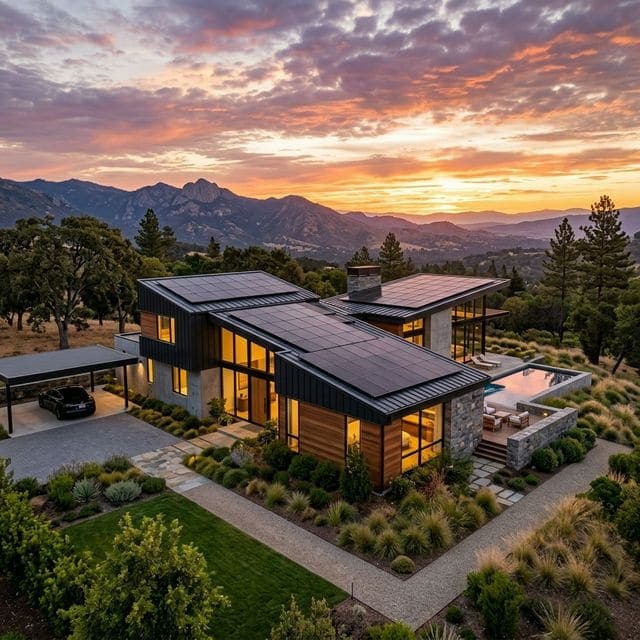
Solar for everyone: Pay Small Small
Don't let the cost stop you. Get this system installed today and pay in easy monthly installments over 6-24 months.
View Financing PlansAs your sure plug for reliable solar product supplier and installation, we at Rayspark Solar provides top-tier products to meet everyone's budget and exact needs. Call/WhatsApp: +234 706 482 6896
A solar system for CCTV is a dedicated power solution designed to keep your security cameras and recording equipment running 24/7, even during extended power outages. Depending on the size of your camera network, prices can range from an affordable entry-level budget to a more robust, high-capacity setup. Typically, a standard residential setup might cost between ₦150,000 to ₦600,000, while larger commercial installations will vary based on specific requirements.


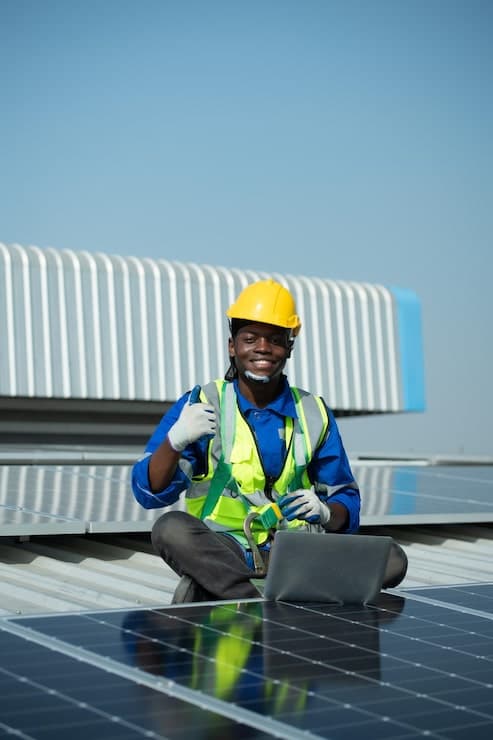
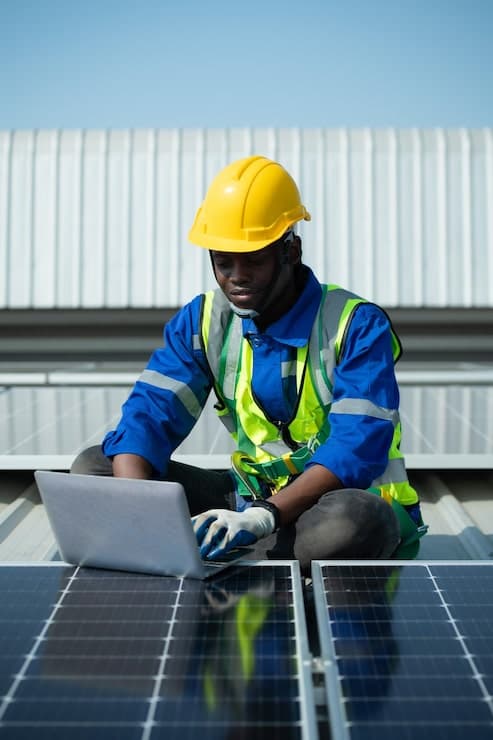
Our Team
Why You Need a Solar System for CCTV in Nigeria
In Nigeria, maintaining continuous power is often a significant challenge. Security systems, particularly CCTV cameras and their digital video recorders (DVRs) or network video recorders (NVRs), are only effective if they are constantly powered. A power cut at a crucial moment renders your entire security investment useless. This is where investing in a solar system for CCTV becomes not just a luxury, but an absolute necessity for home and business owners.
A dedicated solar setup ensures that your surveillance never goes dark. By harnessing the abundant sunlight available in Nigeria, you can create an independent, reliable power source specifically for your security needs. This isolation from the national grid means your property remains monitored and protected round the clock.
Key Components of a CCTV Solar System
To fully understand what you are investing in, it is important to know the core components that make up a solar power system for CCTV:
Solar Panels
The solar panels are responsible for capturing sunlight and converting it into direct current (DC) electricity. For a CCTV system, the wattage of the panels will depend on the total power draw of your cameras and recording equipment. We typically recommend high-efficiency monocrystalline panels for optimal performance even on cloudy days.
Charge Controller
This device sits between your solar panels and your battery. Its primary function is to regulate the voltage and current coming from the panels to prevent the batteries from overcharging, which can severely reduce their lifespan.
Deep Cycle Batteries
Batteries are the heart of the system when the sun goes down. They store the energy generated during the day to keep your CCTV running throughout the night or during periods of heavy rain. Lithium-ion and tubular gel batteries are popular choices due to their durability and long life cycles.
Inverter (If Required)
Most modern CCTV cameras run on DC power (usually 12V), but the DVR or NVR might require alternating current (AC) power. An inverter converts the DC power stored in the batteries into AC power. In some specialized setups, you can run the entire system on DC, bypassing the need for an inverter and increasing overall efficiency.
Pros and Cons of Solar Powered CCTV Systems
Like any technology investment, it is crucial to weigh the advantages and disadvantages before making a decision.
Pros
- Continuous Security: The most significant benefit is uninterrupted surveillance. Your cameras will not shut down during grid power failures.
- Reduced Electricity Bills: By taking your security system off the grid, you lower your overall energy consumption from the public utility or expensive generator fuel.
- Low Maintenance: Once installed correctly, solar systems require very little maintenance. Occasional cleaning of the panels is usually sufficient.
- Environmentally Friendly: Solar power is clean and renewable, reducing your carbon footprint.
- Remote Monitoring: It allows for security installations in remote areas where running grid cables would be prohibitively expensive or impossible.
Cons
- Initial Setup Cost: The upfront investment for solar panels, batteries, and installation can be higher than simply plugging into the grid.
- Weather Dependent: While batteries store power, prolonged periods of heavy overcast weather can reduce the system's charging efficiency.
- Space Requirements: You need adequate, unshaded roof or ground space to mount the solar panels for maximum sun exposure.
Determining Your Power Requirements
Before contacting a supplier, it is helpful to have a rough idea of your power needs. Here is how you can estimate it:
- Count Your Devices: Note the number of cameras, the DVR/NVR, and any connected monitors.
- Check Power Ratings: Look at the specifications for each device to find its power consumption in watts.
- Calculate Total Wattage: Add the wattage of all devices together.
- Consider Run Time: Your system needs to run 24 hours a day. Multiply your total wattage by 24 to get your daily energy requirement in watt-hours (Wh).
- Factor in Autonomy: How many days of backup do you need if there is no sun? Usually, 1 to 2 days of autonomy is recommended for security systems.
If this sounds complicated, do not worry. You can use our online solar calculator or simply reach out to our team, and we will perform a precise energy audit for you.
Installation and Maintenance Best Practices
To get the most out of your solar system for CCTV, proper installation is non-negotiable.
- Optimal Placement: Solar panels must be installed in a location with maximum sun exposure, entirely free from the shade of trees or adjacent buildings.
- Secure Mounting: The panels need to be securely mounted to withstand high winds and severe weather conditions.
- Quality Wiring: Using the correct gauge of wire prevents voltage drops and reduces the risk of electrical fires.
- Battery Care: Keep batteries in a cool, dry, and well-ventilated area. Extreme heat can significantly reduce battery life.
We highly recommend professional installation to ensure safety and system longevity. Our certified technicians at Rayspark Solar have extensive experience in designing and deploying these specific systems.
Frequently Asked Questions (FAQs)
How much does a solar system for CCTV cost in Nigeria?
The cost varies widely based on the number of cameras and the required backup time. A basic system for 4 cameras might start around ₦150,000, while comprehensive commercial setups can exceed ₦1,000,000. Contact us for a tailored quote.
Can I run my CCTV solely on solar power?
Yes, absolutely. An appropriately sized off-grid solar system can power your CCTV equipment entirely independently of the national grid or a generator.
What type of battery is best for a CCTV solar system?
Lithium iron phosphate (LiFePO4) batteries are generally considered the best option due to their deep discharge capabilities, long lifespan, and safety, though tubular batteries are also a viable, cost-effective alternative.
How long will the batteries last at night?
A properly designed system will have a battery bank sized to power your CCTV equipment through the night and even through a day or two of poor weather (autonomy).
Do I need a special type of CCTV camera for solar?
No. Standard CCTV cameras can be powered by a solar setup, provided the system is designed to meet their specific voltage and wattage requirements.
Secure Your Property Today
Do not leave your security to chance. Power outages should not mean a lapse in your surveillance. Invest in a dedicated solar power solution and enjoy peace of mind knowing your property is always watched.
At Rayspark Solar, we provide top-tier products to meet everyone's budget and exact needs. We offer comprehensive packages, expert installation, and reliable after-sales support.
Ready to upgrade your security infrastructure? Call/WhatsApp: +234 706 482 6896 today to consult with our experts and get a customized quote for your home or business! Alternatively, you can browse our solar packages to see more of our offerings.