.jpg&w=3840&q=75)
Solar for everyone: Pay Small Small
Don't let the cost stop you. Get this system installed today and pay in easy monthly installments over 6-24 months.
View Financing PlansAs your sure plug for reliable solar product supplier and installation, we at Rayspark Solar provides top-tier products to meet everyone's budget and exact needs. Call/WhatsApp: +234 706 482 6896
The cost of installing a reliable solar power system for a church or mosque typically ranges from ₦2,500,000 to ₦15,000,000 or more, depending on the size of the congregation, the number of electrical appliances, and the duration of power backup required. These systems are designed to handle high power loads during specific worship days and times, ensuring uninterrupted lighting, sound systems, and cooling.
Our Team
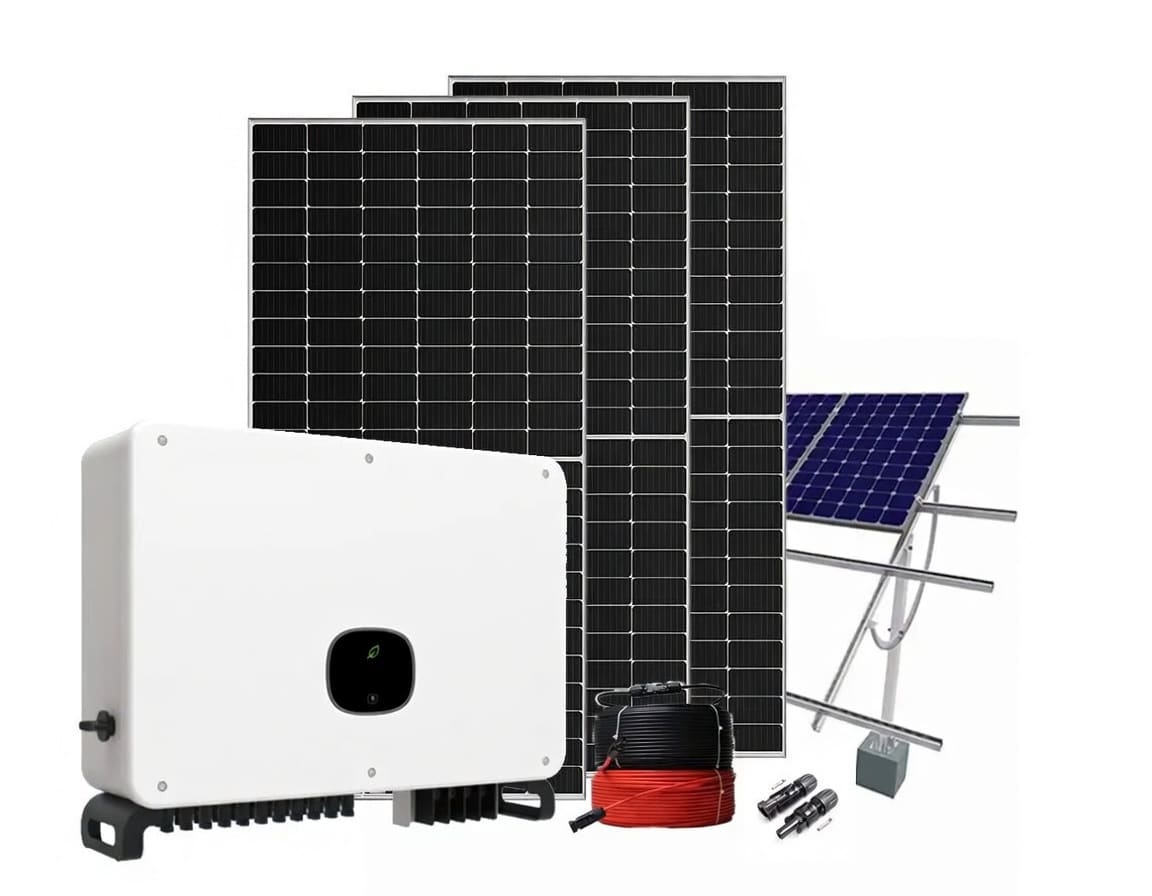
Why Religious Centers Need Reliable Power
Places of worship hold a significant role in communities, serving as gathering points for prayer, teaching, and fellowship. However, the frequent power outages and the rising cost of petrol and diesel can severely impact the operations of churches and mosques. Running large diesel generators during services is not only expensive but also creates noise and air pollution, which can distract from the spiritual experience.
Switching to solar energy provides a clean, silent, and cost-effective alternative. With a properly sized solar and inverter system, religious centers can guarantee that microphones, speakers, fans, air conditioners, and lighting systems function flawlessly throughout services, special programs, and vigils.
Addressing High Power Loads During Specific Times
One unique characteristic of churches and mosques is their power consumption pattern. Unlike residential homes or regular offices that require a steady amount of power throughout the day, religious centers typically experience massive power spikes during specific days and hours. For example:
- A church might have peak power usage on Sunday mornings and midweek evening services.
- A mosque might experience high loads on Fridays during Jumu'ah prayers and daily during evening congregational prayers.
During these peak times, the load from public address systems, heavy-duty air conditioners, bright lighting, and broadcasting equipment can be immense. A custom-designed solar energy system can store energy generated during off-peak days (like Mondays and Tuesdays for some churches) in high-capacity batteries, making that stored energy available to handle the massive load when the congregation gathers.
Key Components of a Solar System for Large Congregations
To effectively power a church or mosque, the solar installation must be robust and built with high-quality components.
High-Capacity Solar Panels
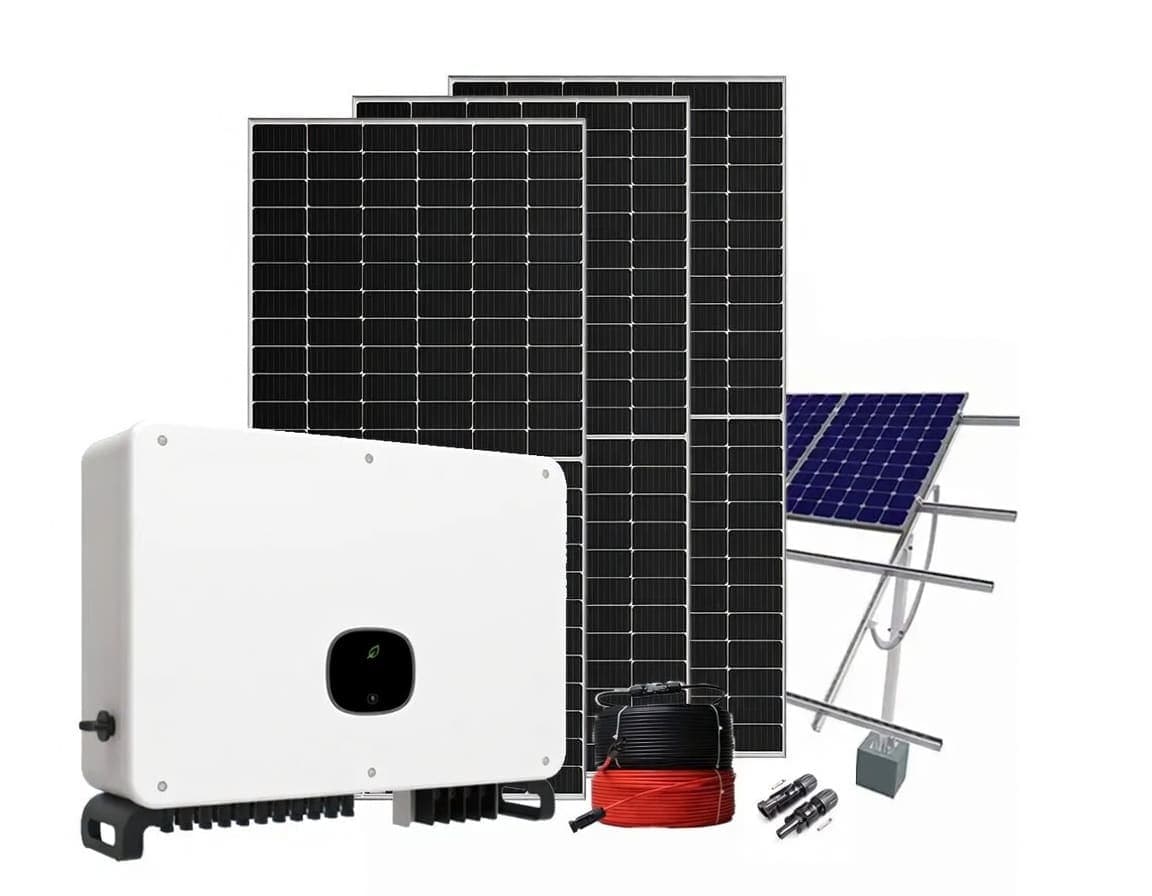
The primary energy source. Given that places of worship often have large roof spaces, installing a significant array of high-efficiency solar panels is usually feasible. These panels harvest sunlight throughout the week to charge the battery banks.
Heavy-Duty Inverters
The inverter is the heart of the system, converting the direct current (DC) stored in batteries into the alternating current (AC) used by appliances. For religious centers, heavy-duty hybrid inverters (ranging from 10kVA to 50kVA or more, sometimes configured in parallel) are necessary to handle the surge loads from amplifiers and air conditioning units.
Deep Cycle Batteries (Lithium-ion Preferred)
Because energy must often be stored over several days for a single massive discharge event (like a Sunday service), battery storage is critical. Lithium-ion batteries, such as LifePO4 batteries, are highly recommended. They offer a deeper depth of discharge, longer lifespan, and faster charging capabilities compared to traditional lead-acid batteries.
Pros and Cons of Solar for Churches & Mosques
Before making the investment, it is helpful to weigh the advantages and potential drawbacks.
Pros
- Massive Reduction in Running Costs: Eliminates the continuous and rising expenditure on diesel and petrol for generators.
- Silent Operation: Solar systems operate without the loud noise of generators, providing a peaceful environment for worship and sermons.
- Environmentally Friendly: Zero emissions contribute to a cleaner environment, aligning with the stewardship of the earth taught in many religious traditions.
- Reliability: Ensures that services are never interrupted by sudden grid power failures.
- Low Maintenance: Compared to servicing generators with oil changes and mechanical repairs, solar panels and batteries require minimal maintenance.
Cons
- High Initial Capital: The upfront cost of purchasing heavy-duty inverters, large battery banks, and numerous solar panels can be substantial.
- Space Requirements: A large roof area or ground space is needed to accommodate the necessary number of solar panels.
- Battery Replacement: Even high-quality batteries will eventually degrade and require replacement after several years of use.
Determining the Right System Size
To get an accurate estimate of the system size needed for your church or mosque, a detailed load assessment is required. This involves cataloging all appliances that will run simultaneously during peak services.
For a rough estimate of what your power needs might look like, you can use our Solar Calculator.
Example Scenarios
-
Small to Medium Mosque/Church (Capacity: 100-300 people):
- Appliances: 10-15 Ceiling fans, 20-30 LED lights, 1 Basic PA system, 1-2 laptops.
- Estimated System: 5kVA - 10kVA Hybrid Inverter, 10kWh - 15kWh Lithium Battery, 4kW - 6kW Solar Array.
-
Large Church/Mosque (Capacity: 500-1000+ people):
- Appliances: Multiple Air Conditioners, advanced sound system, stage lighting, live broadcasting equipment, numerous fans and lights.
- Estimated System: 20kVA - 50kVA (or higher) 3-phase Inverter System, 40kWh - 100kWh Battery Bank, 20kW+ Solar Array.
For standardized options, check out our tailored Solar Packages designed for various load requirements.
Step-by-Step Guide to Transitioning Your Religious Center to Solar
- Conduct an Energy Audit: List all appliances and their wattage. Identify which items are essential during a power outage.
- Consult a Professional: Engage a reliable installer like Rayspark Solar to evaluate your premises, roof structure, and exact energy requirements.
- Design the System: Work with the experts to design a system that specifically accounts for the heavy spike in usage during worship days.
- Professional Installation: Ensure the installation uses high-quality wiring, appropriate circuit breakers, and grounding to protect the expensive equipment.
- Training and Handover: The technical team at your church or mosque should receive basic training on how to monitor the system and perform simple troubleshooting.
Conclusion
Investing in a solar energy system is one of the best administrative decisions a church or mosque can make. It guarantees uninterrupted services, creates a serene atmosphere free from generator noise, and frees up funds previously spent on fuel for other important community projects. While the initial investment is significant, the long-term savings and reliability are unmatched.
Take the bold step today to secure reliable power for your congregation.
To get a customized quote or to discuss the specific power needs of your church or mosque, please contact us today. Call/WhatsApp: +234 706 482 6896. Our team of experts is ready to design and install the perfect system for you.
Frequently Asked Questions
Can a solar system run heavy air conditioners in a large church auditorium?
Yes, a solar system can power heavy air conditioners. However, it requires a robust, high-capacity inverter (often a 3-phase system) and a substantial battery bank. It is crucial to have an accurate energy audit to size the system correctly for air conditioning loads.
How long do the batteries last if we only use heavy power twice a week?
If the system is designed correctly and uses high-quality Lithium-ion batteries, the batteries can last 7 to 10 years or more. Using the batteries less frequently for deep discharges can actually help extend their lifespan, provided they are kept optimally charged by the solar panels during the week.
Is it possible to start small and upgrade the system later as our congregation grows?
Absolutely. We can design a modular solar system for your church or mosque. You can start with a basic setup to power the essential sound system and lighting, and later add more solar panels, batteries, and parallel inverters as your power needs and budget increase.
Do solar panels require maintenance?
Solar panels require very little maintenance. The main requirement is to keep them clean. Depending on the dust levels in your area, washing the panels with water every few months ensures they operate at maximum efficiency.
How much space is required for the solar panels?
The space required depends entirely on the size of the system. A 5kW system might require about 25 to 30 square meters of roof space, while a 20kW system for a larger congregation will require significantly more. We conduct a site survey to determine the best placement for the panels.