.jpg&w=3840&q=75)

Solar for everyone: Pay Small Small
Don't let the cost stop you. Get this system installed today and pay in easy monthly installments over 6-24 months.
View Financing PlansAs your sure plug for reliable solar product supplier and installation, we at Rayspark Solar provides top-tier products to meet everyone's budget and exact needs. Call/WhatsApp: +234 706 482 6896
The cost of a complete solar system for a duplex in Nigeria typically ranges between ₦3,500,000 and ₦12,000,000 depending on your energy consumption, the capacity of the inverter, the number of batteries, and the brand of components used. A standard setup for a modern duplex usually requires at least a 5kVA to 10kVA inverter system, paired with lithium batteries and adequate solar panels to guarantee a stable power supply for essential appliances like air conditioners, refrigerators, televisions, and lighting.




Our Team
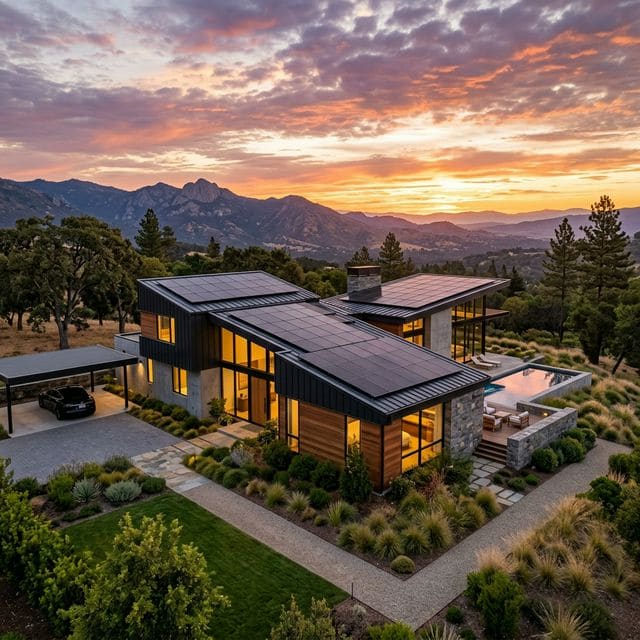
Understanding the Power Needs of a Duplex
A duplex generally houses more rooms and consequently more electrical appliances compared to a standard bungalow or flat. The power requirements of a duplex mean that you cannot settle for a basic, low-capacity solar setup if you intend to run heavy appliances.
Before diving into purchasing a solar system, it is crucial to perform an energy audit. An energy audit involves calculating the total wattage of all the appliances you plan to run simultaneously. You can use our Load Calculator to get a precise estimate of your power needs.
Common appliances in a typical Nigerian duplex include:
- Multiple air conditioning units
- Large refrigerators and deep freezers
- Water pumping machines
- High-definition televisions and home theater systems
- Lighting for interior and exterior spaces
- Microwave ovens, pressing irons, and washing machines
For such a load, a robust solar setup is required to ensure seamless transition and extended backup time.
Recommended Solar System Capacities for a Duplex
Depending on your specific energy usage profile, here are the most recommended capacities:
1. The 5kVA Solar System
The 5kVA system is the entry-level recommendation for a duplex. It is designed for households that are conscious of their energy consumption and prefer to run heavy appliances selectively.
- What it can power: Lighting across all rooms, televisions, fans, a standard refrigerator, and a pumping machine (used when the sun is out). It can also power a single 1HP inverter air conditioner.
- Estimated Cost: ₦3,500,000 to ₦4,800,000.
2. The 10kVA Solar System
The 10kVA system is the sweet spot for most duplex owners in Nigeria. It offers a great balance between cost and performance, allowing you to live comfortably without constantly worrying about managing your load.
- What it can power: Multiple televisions, all lighting, 2 to 3 inverter air conditioners, deep freezers, refrigerators, water pump, and other household electronics.
- Estimated Cost: ₦7,500,000 to ₦9,500,000.
3. The 15kVA to 20kVA Solar System
For large families or individuals running a home office with heavy energy demands, a 15kVA to 20kVA setup is ideal. This system provides maximum independence from the national grid.
- What it can power: Virtually everything in a luxury duplex, including multiple standard or inverter ACs, water heaters, and large pumping machines simultaneously.
- Estimated Cost: ₦11,000,000 and above.
Key Components of a Duplex Solar Installation
A reliable solar system is only as good as its individual components. Here is what makes up the package:
Solar Panels
Solar panels capture sunlight and convert it to direct current electricity. Monocrystalline panels are highly recommended for their efficiency, especially in the Nigerian climate. A typical 10kVA setup will require between 12 to 20 high-wattage panels (e.g., 500W to 600W each).
Inverters
The inverter is the brain of the system, converting the direct current from the panels and batteries into alternating current usable by your home appliances. Hybrid inverters from reputable brands are preferred because they intelligently manage power from solar, batteries, and the grid.
Solar Batteries
Batteries store the energy generated during the day for use at night or during cloudy weather. For a duplex, Lithium Iron Phosphate (LiFePO4) batteries are the gold standard. Although they have a higher initial cost compared to tubular or lead-acid batteries, their lifespan of over ten years makes them a superior long-term investment.
Pros and Cons of Installing Solar in a Duplex
Pros
- Uninterrupted Power Supply: Enjoy constant electricity regardless of grid failures.
- Reduced Running Costs: Eliminate the exorbitant costs of buying diesel or petrol for generators, and significantly reduce maintenance expenses.
- Noise and Pollution Free: Unlike diesel generators, solar systems operate silently and do not emit harmful fumes, promoting a healthier living environment.
- Increased Property Value: A fully installed, high-capacity solar system adds significant real estate value to your duplex.
Cons
- High Initial Capital: The upfront cost of purchasing panels, lithium batteries, and a high-capacity inverter can be substantial.
- Space Requirements: Installing an adequate number of solar panels requires significant roof space with minimal shading.
Why Choose Rayspark Solar for Your Installation?
When it comes to powering a major residential structure like a duplex, expertise matters. Rayspark Solar is a trusted name across Nigeria, renowned for delivering premium quality and reliable power solutions. We do not just sell equipment; we provide comprehensive power audits, design tailored systems, and execute installations with absolute precision. Our commitment to using Tier-1 panels and industry-leading inverters guarantees that your system will perform optimally for decades. Furthermore, our robust after-sales support ensures that you are never left in the dark.
Maintenance Tips for Your Solar System
To maximize the lifespan and efficiency of your investment, consider the following best practices:
- Regular Cleaning: Dust and bird droppings can significantly reduce panel efficiency. Wash your solar panels at least once a month, especially during the dry season.
- Monitor Battery Health: If you are using lithium batteries, ensure they do not frequently drain to zero percent. Most modern hybrid inverters can be configured to manage depth of discharge automatically.
- Professional Servicing: Schedule routine check-ups with professionals. Our team at Rayspark Solar offers comprehensive maintenance packages to keep your system in top condition.
Call to Action
Investing in a solar system for your duplex is a major decision that guarantees long-term peace of mind, comfort, and financial savings. Do not compromise on quality by settling for substandard components or unqualified installers.
Take the bold step towards energy independence today. Call or WhatsApp Rayspark Solar at +234 706 482 6896 to get a customized quote, professional advice, and seamless installation. Visit our store today and let us power your life efficiently!
Frequently Asked Questions (FAQs)
How many solar panels do I need for a duplex?
The exact number depends on your inverter capacity and battery bank. A standard 10kVA setup generally requires about 16 to 20 panels of 500W capacity each. An energy audit is required for a precise figure.
Can a solar system power my air conditioners?
Yes, absolutely. A 5kVA system can power one inverter AC, while a 10kVA or higher system can comfortably power multiple ACs. However, it is highly recommended to use inverter air conditioners because they draw significantly less starting power compared to conventional units.
How long will the batteries last at night?
This entirely depends on your battery capacity and the load you leave on overnight. With a properly sized lithium battery bank and energy-efficient appliances, you can easily enjoy power throughout the night until the sun comes up to recharge the system the next morning.
Is it necessary to completely disconnect from the national grid?
No, it is not necessary. Most modern hybrid inverters are designed to work harmoniously with the national grid. They can use grid power to charge your batteries during prolonged cloudy days while prioritizing solar power when the sun is out to save you money.