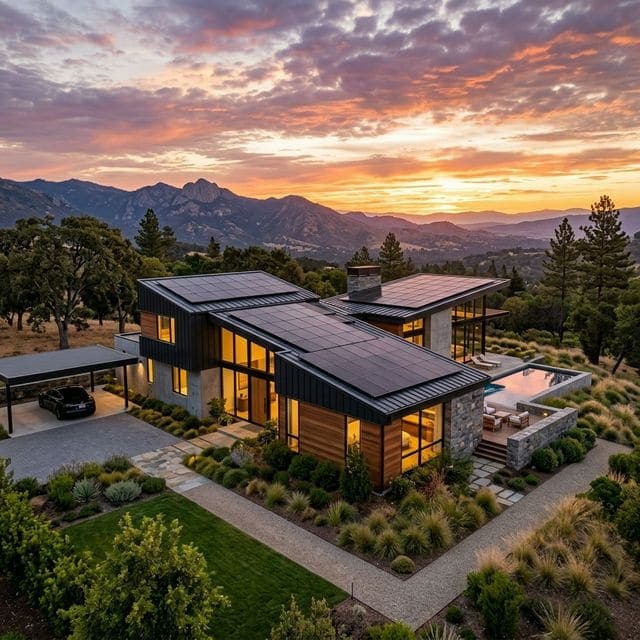
.jpg&w=3840&q=75)
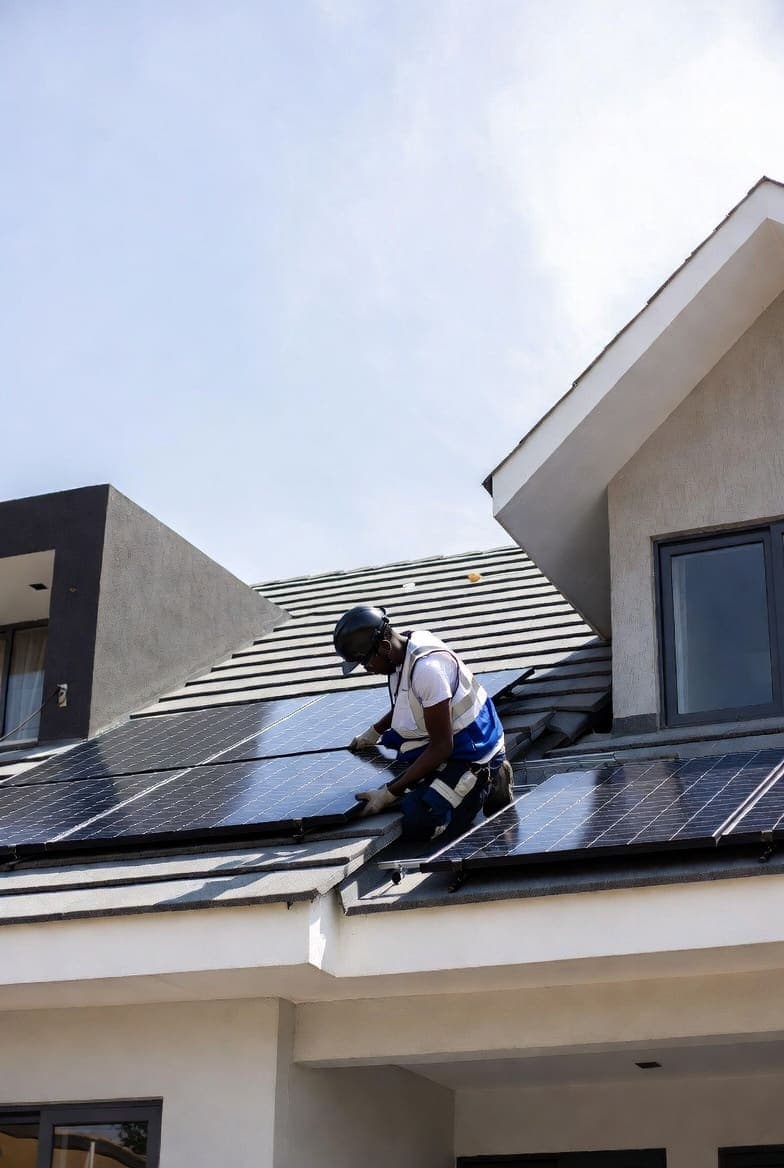
Solar for everyone: Pay Small Small
Don't let the cost stop you. Get this system installed today and pay in easy monthly installments over 6-24 months.
View Financing PlansAs your sure plug for reliable solar product supplier and installation, we at Rayspark Solar provides top-tier products to meet everyone's budget and exact needs. Call/WhatsApp: +234 706 482 6896
The cost of a solar system for a factory or warehouse in Nigeria typically ranges from N15,000,000 to N150,000,000 or more, depending on the power requirements, the size of the facility, and the specific industrial equipment being powered. High-capacity commercial solar systems ensure uninterrupted operations, drastic reduction in diesel costs, and reliable energy for heavy-duty machinery.


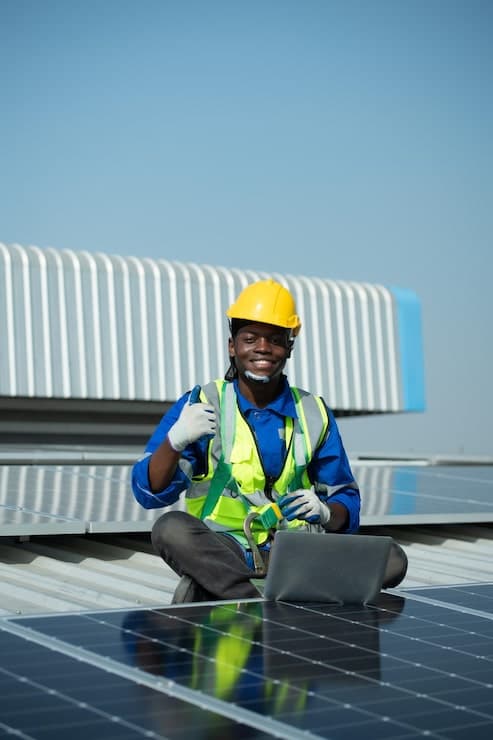
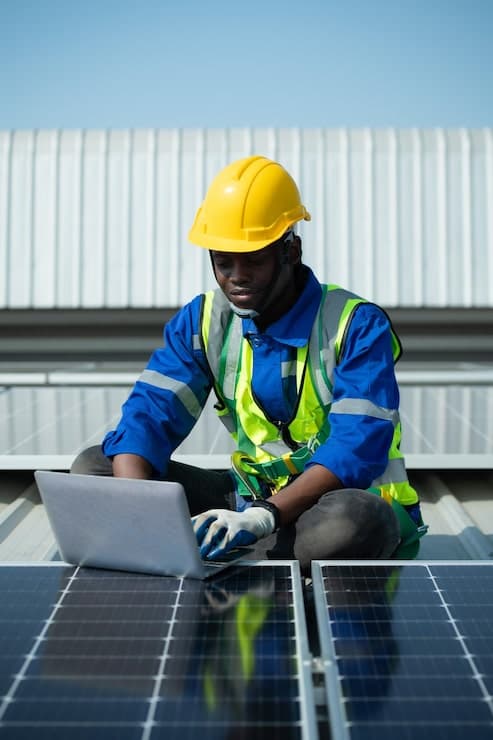
Our Team
Understanding Industrial Solar Systems
Nigeria's industrial sector relies heavily on constant power supply to maintain production schedules, preserve goods in warehouses, and operate heavy machinery. Due to the inconsistent grid power and the soaring costs of diesel fuel, transitioning to a commercial solar energy system has become a necessity for factory and warehouse owners. Solar power for industrial applications is designed to handle massive energy loads seamlessly, providing a clean, silent, and highly reliable alternative to traditional generators.
When you install a solar system for your factory or warehouse, you are investing in a robust energy infrastructure. These systems integrate high-capacity solar panels, advanced hybrid or off-grid inverters, and scalable industrial-grade lithium battery storage. This combination ensures that power is generated during the day to run the facility and charge the batteries, which then take over during non-sunlight hours or grid outages.
Key Components of a Factory and Warehouse Solar System
To ensure that your industrial operations never experience downtime, the solar system must be built with premium, heavy-duty components.
High-Efficiency Solar Panels
Factories and warehouses typically have expansive roof spaces, making them ideal for large-scale solar arrays. Monocrystalline solar panels with high wattage (often 500W and above) are used to maximize energy generation. These panels capture sunlight efficiently, even in less-than-ideal weather conditions, ensuring a steady flow of direct current electricity.
Industrial-Grade Inverters
The inverter is the brain of the solar system, converting direct current from the panels into alternating current used by your industrial machinery. For factories, three-phase hybrid inverters are commonly deployed. These inverters can handle the high surge currents required to start heavy motors, conveyor belts, and large cooling systems. They also intelligently manage power flow between the solar panels, the battery bank, the national grid, and backup generators if necessary.
Scalable Battery Storage Systems
Energy storage is critical for warehouses that operate around the clock or factories with night shifts. High-capacity lithium iron phosphate (LiFePO4) battery banks are the industry standard for commercial applications. They offer deep discharge capabilities, rapid charging, and a lifespan of over a decade. The storage capacity can be scaled up as your business grows and your energy demands increase.
Pros and Cons of Solar Systems for Factories and Warehouses
Before making a significant investment in industrial solar, it is important to weigh the advantages and limitations.
Pros
- Massive Reduction in Operating Costs: By generating your own electricity, you drastically reduce your reliance on the national grid and expensive diesel generators, leading to immediate and substantial savings.
- Uninterrupted Production: Reliable power means no more production halts or spoiled inventory in cold storage warehouses due to power outages.
- Protection Against Energy Inflation: Solar power locks in your energy costs, insulating your business from the frequent hikes in electricity tariffs and fuel prices.
- Low Maintenance: Solar systems have very few moving parts, requiring minimal maintenance compared to heavy-duty diesel generators.
- Environmental Sustainability: Transitioning to clean energy significantly reduces your company's carbon footprint, enhancing your corporate social responsibility profile.
Cons
- High Initial Capital Outlay: Procuring and installing a large-scale commercial solar system requires a significant upfront investment.
- Space Requirements: While warehouses usually have ample roof space, generating sufficient power for high-energy manufacturing processes may require extensive panel arrays.
- Weather Dependence: Energy generation fluctuates with weather conditions, making robust battery storage or a backup grid connection essential for round-the-clock operations.
How to Determine the Right Solar System Size for Your Facility
Sizing a solar system for a factory or warehouse requires a detailed energy audit. You cannot rely on guesswork when industrial machinery is involved.
Conduct a Load Assessment
List all the equipment, machinery, lighting, and HVAC systems in your facility. Note their power ratings in watts or kilowatts and the average number of hours they operate daily. This will give you the total daily energy consumption in kilowatt-hours.
Account for Surge Power
Industrial equipment, such as large motors and compressors, often requires a massive surge of power to start up. Your inverter and battery system must be specifically sized to handle these starting currents without tripping or failing.
Consult the Experts
Because of the complexity of industrial power requirements, it is highly recommended to consult with professionals. At Rayspark Solar, our engineers conduct comprehensive site assessments and design customized solar solutions tailored specifically to your factory's energy profile. You can reach out to us at +234 706 482 6896 for a detailed consultation.
Maintaining Your Commercial Solar System
To protect your investment and ensure maximum power generation, regular maintenance is required.
- Routine Cleaning: Dust, industrial soot, and debris can accumulate on solar panels, significantly reducing their efficiency. Schedule periodic professional cleaning, especially during the dry season.
- System Monitoring: Modern industrial inverters come with advanced remote monitoring software. This allows you to track energy generation, consumption, and battery health in real-time, helping to identify and resolve issues promptly.
- Professional Inspections: Have a qualified technician conduct annual inspections of the wiring, connections, and battery terminals to ensure everything is operating safely and optimally.
Frequently Asked Questions
Can a solar system run heavy factory machinery?
Yes, a properly sized commercial solar system with high-capacity three-phase inverters can easily run heavy industrial machinery, motors, and large cooling systems without any issues.
How long do industrial solar batteries last?
Premium industrial-grade lithium batteries used in these systems typically have a lifespan of 10 to 15 years, depending on the depth of discharge and operating conditions.
Will the solar system power my warehouse at night?
Absolutely. The solar panels generate excess energy during the day, which is stored in the battery bank to keep your warehouse fully operational throughout the night.
How long does the installation process take for a factory?
The timeline varies based on the system size and the complexity of the facility. A standard commercial installation can take anywhere from a few days to several weeks. Our team ensures the process is smooth and minimizes any disruption to your operations.
Call To Action
Powering your factory or warehouse with a reliable solar system is one of the smartest business decisions you can make to guarantee uninterrupted operations and maximize profitability. Do not let power outages and high diesel costs slow down your production line.
Contact us today to get a customized, high-performance solar solution for your industrial facility. Call or WhatsApp Rayspark Solar at +234 706 482 6896 to buy from our store and schedule your professional installation.