.jpg&w=3840&q=75)
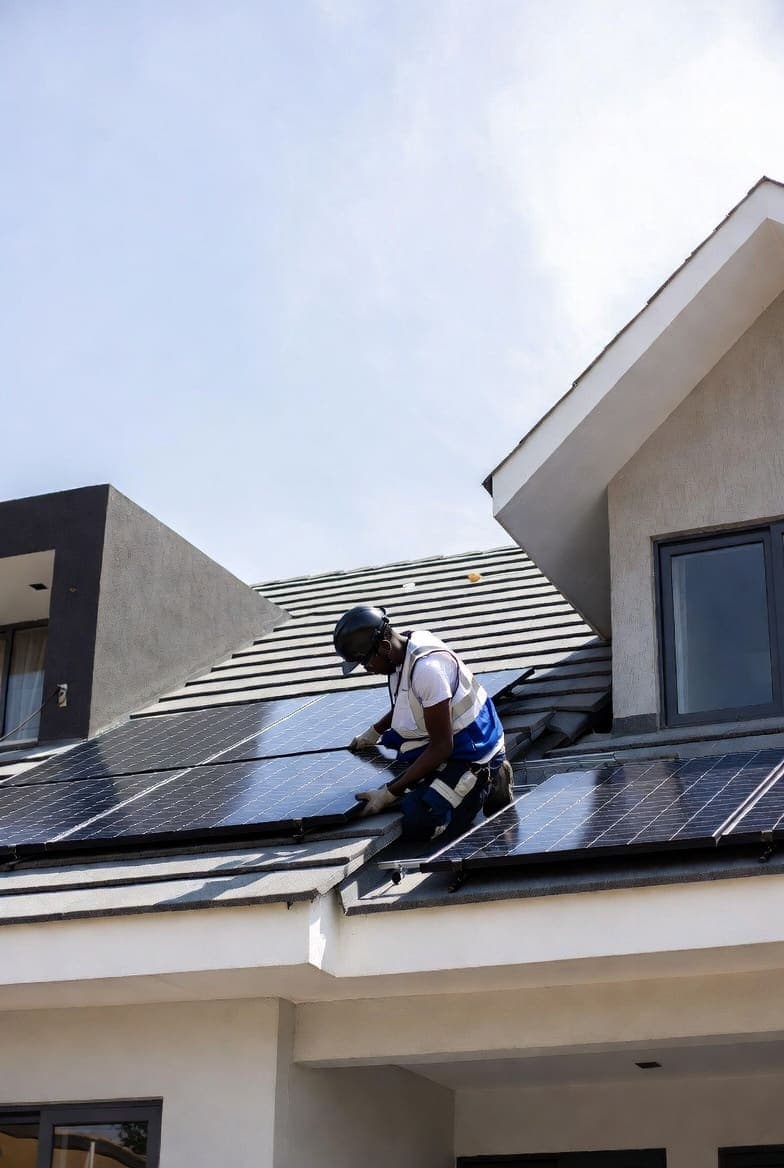
Solar for everyone: Pay Small Small
Don't let the cost stop you. Get this system installed today and pay in easy monthly installments over 6-24 months.
View Financing PlansAs your sure plug for reliable solar product supplier and installation, we at Rayspark Solar provides top-tier products to meet everyone's budget and exact needs. Call/WhatsApp: +234 706 482 6896
A solar system for a refrigerator and freezer typically requires a minimum of a 2kVA to 3kVA pure sine wave inverter, combined with two to four 200Ah or 220Ah tubular batteries and about four to six 300W+ solar panels, depending on the appliance's power rating. Expect to spend between NGN 1,500,000 to NGN 3,000,000 on average for a high-quality, long-lasting setup capable of running standard refrigeration units 24/7.




Our Team
Understanding Solar Power Requirements for Refrigeration
Running cooling appliances like refrigerators and deep freezers entirely on solar power is a fantastic way to preserve your food and reduce electricity bills. However, these appliances have specific energy demands that must be carefully accommodated. Unlike televisions or fans, refrigerators use compressors that require a significant surge of power to start—often three to four times their running wattage.
When planning your solar setup, it is crucial to look at the nameplate rating of your refrigerator or freezer. A standard chest freezer might consume 150 watts while running but could demand a 600-watt spike upon startup. Your inverter and battery setup must be robust enough to handle this peak load without tripping off.
Inverter Selection
For refrigeration, you must use a Pure Sine Wave Inverter. Modified sine wave inverters are generally cheaper but can damage sensitive compressor motors over time, causing them to run hotter and eventually fail. A minimum of a 2kVA to 3kVA pure sine wave inverter is usually recommended for running a single standard refrigerator or freezer alongside a few basic loads like lights and fans.
Battery Sizing and Storage
Refrigerators run in cycles throughout the day and night. Because the sun is not available at night, a strong battery bank is the backbone of your system. Deep-cycle tubular batteries or Lithium-ion (LiFePO4) batteries are the best choices. Typically, a 24V or 48V battery bank (using multiple 200Ah or 220Ah batteries) provides the necessary storage to keep the compressor running through the night, maintaining the cold temperature until the solar panels begin charging the system again the next morning.
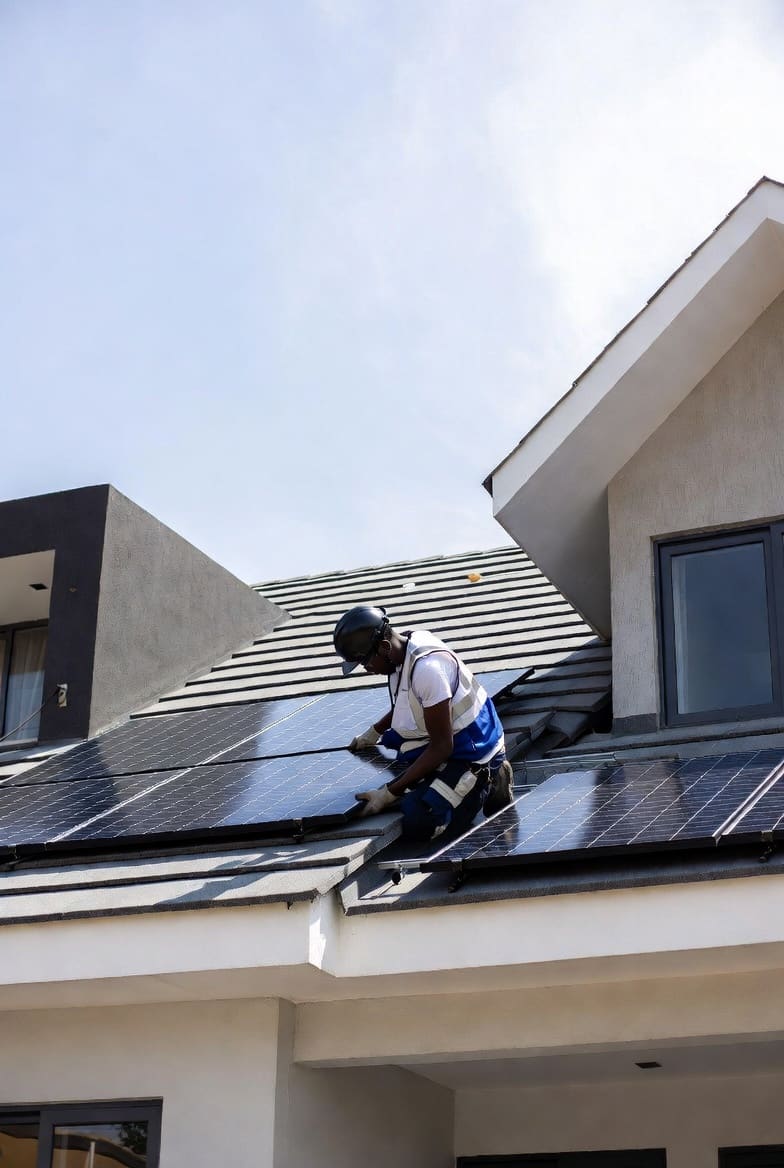
The Pros and Cons of Solar for Refrigerators and Freezers
Investing in a dedicated solar power system for your cooling needs is a major decision. Here is a look at the benefits and the potential drawbacks.
Pros
- Continuous Preservation: You will no longer have to worry about food spoilage during extended power grid outages. Your perishables stay fresh, saving you money on wasted food.
- Reduced Energy Bills: Refrigerators are typically the highest continuous power consumers in a household. Transitioning them to solar drastically cuts your monthly utility expenses.
- Quiet Operation: Unlike noisy petrol or diesel generators, solar setups operate silently, eliminating noise pollution around your home or office.
- Low Maintenance: Once installed professionally, a solar setup requires minimal maintenance compared to internal combustion engines. Simply keep the panels clean.
- Eco-Friendly: You significantly reduce your carbon footprint by relying on clean, renewable energy from the sun.
Cons
- High Initial Cost: Purchasing pure sine wave inverters, high-capacity batteries, and quality solar panels requires a substantial upfront investment.
- Space Requirements: You need adequate roof space or ground space with direct sunlight to install the necessary solar panels.
- Battery Replacement: Depending on the type of batteries you choose, they will eventually degrade and need replacement after a few years (usually 3 to 5 years for lead-acid/tubular, though Lithium batteries last much longer).
Estimating the Cost of Your Solar Setup
The exact cost of your system will depend heavily on the size and efficiency of your refrigerator. For example, modern inverter-compressor refrigerators are highly energy-efficient and require a smaller solar setup compared to older, traditional models.
If you are looking at a system designed to run a medium-sized freezer continuously, you are generally looking at a package that includes:
- 3kVA Pure Sine Wave Inverter
- Two to four 220Ah Tubular Batteries (or equivalent Lithium setup)
- Four to six 400W Solar Panels
- Charge controllers, installation accessories, and mounting racks
The total price for this caliber of system typically ranges from NGN 1,500,000 to NGN 3,000,000. For an exact quote tailored to your specific appliances, we recommend checking out our solar packages or using our solar calculator to determine the perfect size for your needs.
Crucial Tips for Maximizing Efficiency
To get the most out of your solar-powered refrigerator, consider these operational tips:
- Upgrade to Energy Efficient Models: If your fridge is more than 10 years old, it might be more cost-effective to buy a new, energy-efficient inverter refrigerator than to buy a massive solar system to power the old one.
- Location Matters: Keep your refrigerator away from direct sunlight, ovens, or unventilated areas. A fridge placed in a hot room works harder and draws more power from your batteries.
- Optimal Temperature Settings: Do not set the thermostat colder than necessary. The ideal temperature for a fridge is usually around 3 degrees Celsius, and for a freezer, minus 18 degrees Celsius.
- Keep it Full: A full freezer retains cold better than an empty one. If you have extra space, fill containers with water and let them freeze; they will help maintain the internal temperature without the compressor needing to cycle on as frequently.
Frequently Asked Questions
Can a 1kVA inverter run a refrigerator?
Generally, no. While a 1kVA inverter might mathematically cover the running wattage of a small fridge, it will likely fail to handle the high starting surge (often over 1000 watts) required by the compressor, which will cause the inverter to trip off on overload.
Is it better to use Lithium batteries for refrigeration setups?
Yes, Lithium-ion (LiFePO4) batteries are vastly superior for this application. They allow for deeper discharges, have a significantly longer lifespan (often over 10 years), and charge faster than traditional lead-acid or tubular batteries, making them perfect for the heavy continuous cycles demanded by refrigerators.
Will the system work during the rainy season?
Yes. Although solar panels generate less power during heavy cloud cover or rain, a properly sized system accounts for these variations by having an adequate battery bank to carry you through days with lower solar yield.
Do I need a special type of refrigerator for solar?
While there are specialized DC-powered solar refrigerators available, you do not necessarily need one. A standard AC refrigerator works perfectly fine as long as you use a high-quality pure sine wave inverter to convert the DC power from your batteries into the AC power the fridge requires.
Get Your System Installed Today
Do not let power instability ruin your food and your comfort. Transitioning your essential cooling appliances to solar power is one of the smartest investments you can make for your home or business.
Are you ready to make the switch? As your sure plug for reliable solar product supplier and installation, we at Rayspark Solar provides top-tier products to meet everyone's budget and exact needs. Call/WhatsApp: +234 706 482 6896 to buy your complete solar system and schedule your professional installation today!