.jpg&w=3840&q=75)
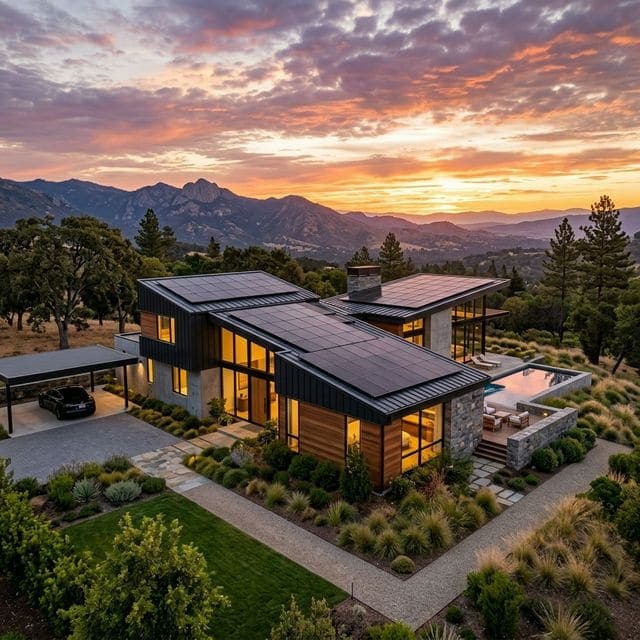
Solar for everyone: Pay Small Small
Don't let the cost stop you. Get this system installed today and pay in easy monthly installments over 6-24 months.
View Financing PlansAre you looking to buy Solar for Shops & Businesses for your office, home, or to power your work tools, and you don't know the price? You have come to the right place to get the price and other things you need to know before buying.
As your sure plug for reliable solar product supplier and installation, we at Rayspark Solar provides top-tier products to meet everyone's budget and exact needs. Call/WhatsApp: +234 706 482 6896
The cost of setting up a commercial solar system for shops and businesses varies depending on energy needs, roof space, and equipment choice, but typically ranges from a few thousand to tens of thousands of dollars. An average commercial system might see a return on investment within three to five years through significantly reduced electricity bills, tax incentives, and protection against rising energy costs.


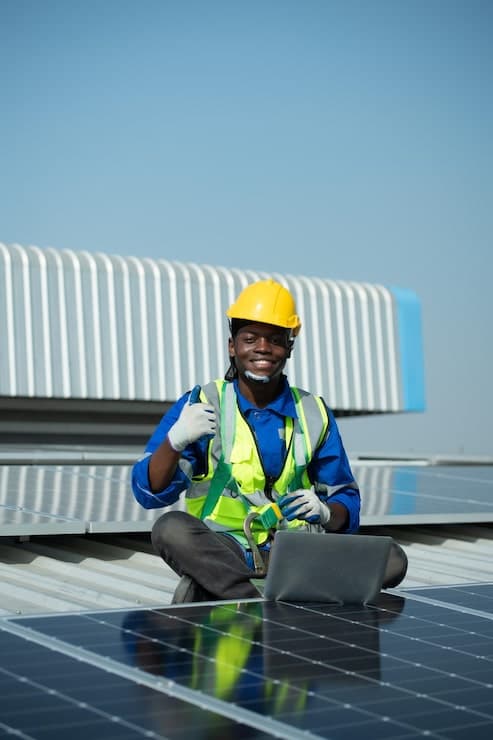
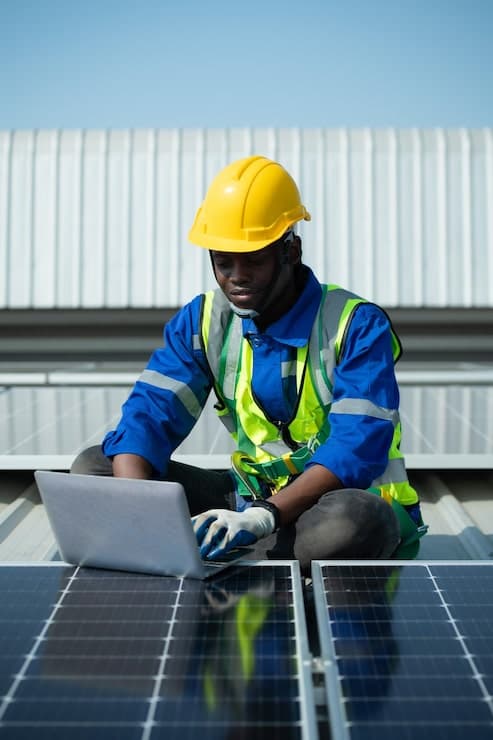
Our Team
Understanding Solar for Shops and Commercial Businesses
Running a business comes with a multitude of overhead costs, and utility bills often make up a significant portion of monthly expenses. The volatility of electricity prices can make budgeting difficult, especially for energy-intensive operations. Transitioning to solar energy offers a robust solution to these challenges, providing not only a reliable source of power but also significant long-term financial benefits.
Solar power systems for commercial applications are designed to handle larger loads than typical residential setups. Whether you operate a small retail shop, a bustling restaurant, a large office space, or a manufacturing facility, a custom-designed solar energy system can be tailored to meet your specific operational demands.
Why Make the Switch to Solar?
The decision to invest in solar technology is driven by several compelling factors that impact both the bottom line and the broader operational strategy of a business.
First and foremost is cost reduction. By generating your own electricity on-site, you drastically reduce your reliance on the traditional power grid. This translates to immediate savings on monthly utility bills. Over the lifespan of the solar system, which typically exceeds twenty-five years, these savings can accumulate to a substantial amount, freeing up capital that can be reinvested into other areas of your business.
Secondly, solar energy provides energy independence and predictability. Utility rates have historically shown an upward trend, subject to market fluctuations and infrastructure costs. A commercial solar system allows you to lock in your energy costs for decades. You will know exactly what your energy expenses will be, making long-term financial planning and budgeting much more accurate and secure.
Furthermore, adopting solar energy aligns your business with sustainable practices. Consumers and business partners increasingly prefer to associate with environmentally responsible companies. By reducing your carbon footprint, you enhance your brand image and demonstrate a commitment to corporate social responsibility.
Key Components of a Commercial Solar System
To fully appreciate the value of solar for your business, it is helpful to understand the core components that make up the system.
Solar Panels
Solar panels are the most visible part of the system. They capture sunlight and convert it into direct current electricity. For commercial applications, high-efficiency panels are often preferred to maximize energy production within the available roof or ground space. The number and type of panels required will depend on your business's energy consumption patterns.
Inverters
The electricity generated by solar panels is direct current, but most commercial buildings and appliances run on alternating current. Inverters are critical devices that convert direct current into usable alternating current. In a commercial setting, you might use string inverters, which manage multiple panels, or microinverters, which are attached to individual panels to optimize performance, particularly in shaded conditions.
Battery Storage Systems
While not strictly required, adding a battery storage system can significantly enhance the value of your commercial solar setup. Batteries store excess solar energy generated during peak sunlight hours for use during the evening, during cloudy periods, or in the event of a grid outage. This is particularly valuable for businesses that operate outside of daylight hours or those that require an uninterrupted power supply to prevent loss of inventory or data.
Assessing Your Business Energy Needs
Before installing a solar system, a thorough evaluation of your current energy usage is necessary. This involves analyzing past utility bills to understand peak demand times and overall consumption patterns.
Our experts at Rayspark Solar can assist you in this process. We evaluate your facility's energy profile and assess your site's physical characteristics, such as roof condition, orientation, and shading. You can also get a preliminary estimate of your requirements by visiting our calculator page. This comprehensive assessment ensures that the system we design is perfectly sized to meet your operational needs while maximizing your return on investment.
Pros and Cons of Solar for Shops and Businesses
Understanding both the advantages and potential drawbacks is crucial for making an informed decision about commercial solar integration.
Pros
- Significant Cost Savings: The most prominent advantage is the dramatic reduction in monthly electricity expenses. Over time, the system pays for itself and generates long-term financial returns.
- Protection Against Rate Hikes: By generating your own power, you insulate your business from unpredictable and rising utility rates, ensuring stable energy costs.
- Enhanced Brand Reputation: Demonstrating a commitment to sustainability appeals to eco-conscious consumers and can provide a competitive edge in your market.
- Increased Property Value: Commercial buildings equipped with solar energy systems are often valued higher and may be more attractive to prospective buyers or tenants.
- Reliability and Independence: Combined with battery storage, solar systems can provide backup power during grid failures, minimizing downtime and protecting critical operations.
Cons
- Initial Investment Required: Purchasing and installing a commercial solar system requires upfront capital. However, various financing options, tax incentives, and the long-term savings often offset this initial cost.
- Space Requirements: Solar panels require adequate roof or ground space. The amount of space needed depends on your energy consumption and the efficiency of the panels used.
- Weather Dependency: Solar panels generate electricity based on sunlight. Production decreases during cloudy days and ceases at night. This is why grid connection or battery storage is necessary for continuous power.
Maximizing Your Investment
To get the most out of your commercial solar system, it is important to choose high-quality components and partner with an experienced installation team. Proper installation ensures optimal performance and longevity. Regular maintenance, although minimal for solar systems, is also essential to keep the equipment functioning at peak efficiency.
We offer a range of comprehensive packages designed to suit different business sizes and energy profiles, ensuring a seamless transition to clean energy.
Frequently Asked Questions
How long does it take to install a commercial solar system? The installation timeline varies based on the size and complexity of the system. While the physical installation on the roof might take a few days to a few weeks, the entire process—including site assessment, design, permitting, and grid connection—can take several months.
Will my business have power during an outage? Standard grid-tied solar systems automatically shut off during a power outage to protect utility workers fixing the lines. To maintain power during an outage, you must include a battery storage system in your setup.
How long do commercial solar panels last? High-quality solar panels are highly durable and are typically guaranteed to last 25 to 30 years. Even after this period, they will continue to generate electricity, though at a slightly reduced efficiency.
Is my roof suitable for solar panels? Most commercial roofs can accommodate solar panels, provided they are structurally sound and have sufficient unshaded area. Our team conducts a thorough structural analysis during the site assessment to ensure your roof can safely support the system.
Do solar panels require a lot of maintenance? Solar systems require very little maintenance. Since there are no moving parts, wear and tear are minimal. Occasional cleaning to remove dust or debris and an annual professional inspection are usually sufficient to maintain optimal performance.
Take the Next Step Toward Energy Independence
Investing in solar energy is a strategic decision that offers immediate and long-term benefits for your business. It reduces operating costs, provides energy security, and demonstrates corporate responsibility. Stop letting high utility bills eat into your profits.
Make the smart choice for your business's future today. For professional advice, tailored system design, and expert installation, contact Rayspark Solar.
Call/WhatsApp: +234 706 482 6896 to discuss your commercial solar needs and secure the best energy solution for your enterprise.