.jpg&w=3840&q=75)
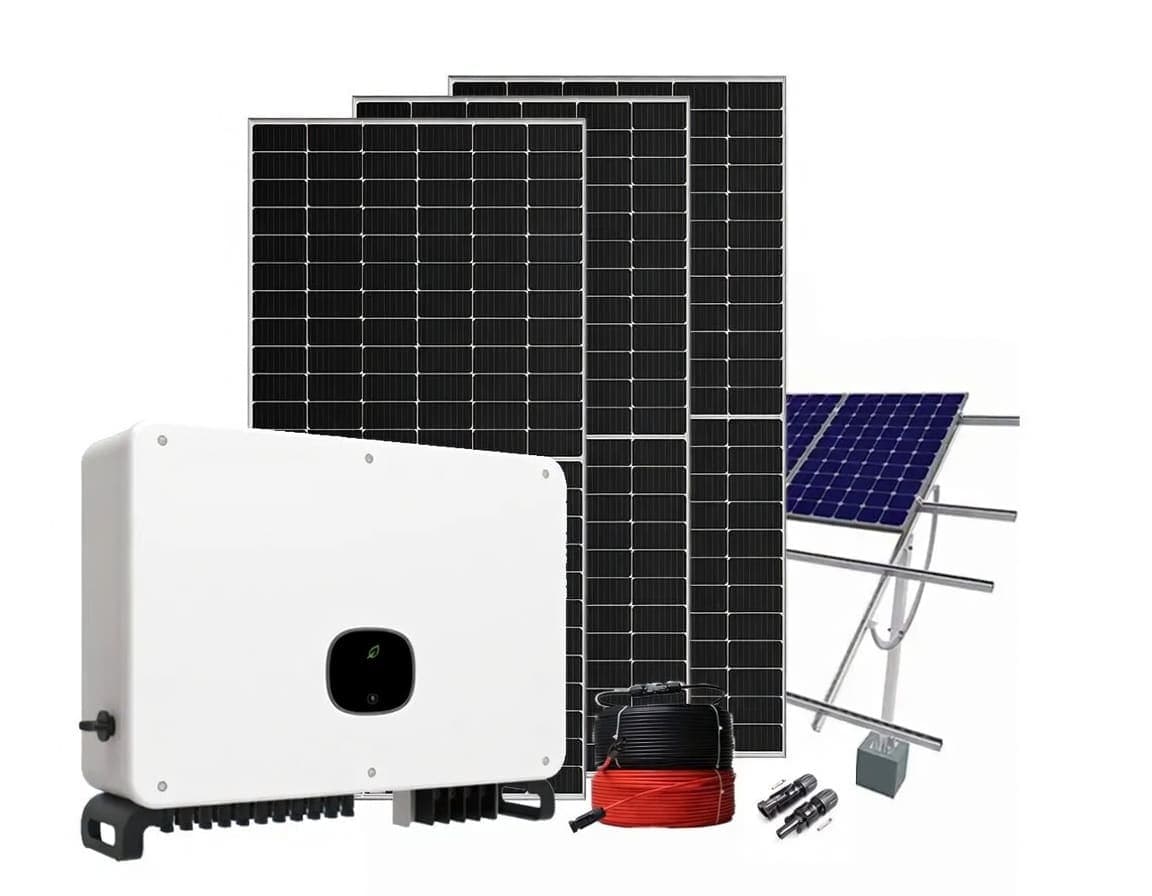
Solar for everyone: Pay Small Small
Don't let the cost stop you. Get this system installed today and pay in easy monthly installments over 6-24 months.
View Financing PlansAs your sure plug for reliable solar product supplier and installation, we at Rayspark Solar provides top-tier products to meet everyone's budget and exact needs. Call/WhatsApp: +234 706 482 6896
Solar inverter prices in Nigeria range from ₦150,000 for basic 1kVA pure sine wave inverters suitable for small electronics, to over ₦5,000,000 for robust 10kVA to 20kVA hybrid systems designed for entire homes or commercial office spaces. The exact cost depends on the brand, capacity, type of inverter, and the inclusion of advanced features such as hybrid capabilities and smart monitoring systems.




Our Team
Understanding Solar Inverter Prices in Nigeria
Navigating the market for solar power solutions requires a comprehensive understanding of what determines the cost of a solar inverter. As power outages and grid instability remain persistent challenges, many businesses and households are transitioning to alternative energy. The solar inverter is the heart of this system, converting the direct current (DC) generated by your solar panels or stored in your batteries into the alternating current (AC) required by your household appliances and office equipment.
Investing in a solar inverter is a long-term commitment. To make an informed decision, it is vital to explore the different categories, capacities, and the average market prices.
Average Price Ranges Based on Capacity
The capacity of an inverter, measured in kiloVolt-Amperes (kVA), is the primary determinant of its price. Here is a detailed breakdown of the average prices you can expect:
- 1kVA to 2.5kVA Inverters: Typically priced between ₦150,000 and ₦350,000. These are ideal for basic setups such as lighting, fans, a television, and charging laptops or mobile devices.
- 3kVA to 5kVA Inverters: Ranging from ₦400,000 to ₦950,000. This is the most common range for average residential homes. A 5kVA system can comfortably power a freezer, refrigerator, multiple fans, televisions, and a moderate water pumping machine.
- 7.5kVA to 10kVA Inverters: Expect to spend between ₦1,200,000 and ₦2,500,000. These heavy-duty inverters are designed for large households with multiple air conditioning units, heavy water pumps, and commercial offices with several workstations and servers.
- 15kVA and Above: Prices start from ₦3,500,000 and can exceed ₦8,000,000 depending on the specifications. These are industrial-grade systems meant for large corporate offices, hospitals, factories, and entire residential estates.
Types of Solar Inverters and Their Impact on Cost
Not all inverters are built the same. The technology used in the inverter significantly impacts both its performance and its price tag in the Nigerian market.
Pure Sine Wave vs. Modified Sine Wave
- Pure Sine Wave Inverters: These are more expensive but highly recommended. They produce a clean, smooth electrical wave that is identical to grid power. They are essential for sensitive electronics like laptops, medical equipment, televisions, and appliances with motors (like refrigerators and air conditioners).
- Modified Sine Wave Inverters: These are cheaper alternatives but produce a choppy electrical wave. While they can power simple devices like lights and heating elements, they can cause a humming noise in fans and potentially damage sensitive appliances over time. We generally advise against using modified sine wave inverters for modern home setups.
Hybrid Solar Inverters
Hybrid inverters are becoming increasingly popular. They combine the functions of a traditional inverter and a solar charge controller into one compact unit. They can intelligently manage power from the solar panels, the national grid, and the battery bank simultaneously. Because of this advanced technology, hybrid inverters cost significantly more than standalone standard inverters, but they save money and space in the long run by eliminating the need to purchase a separate solar charge controller.
Pros and Cons of Investing in a Solar Inverter System
Before making a purchase, it is helpful to weigh the advantages and disadvantages.
Pros:
- Uninterrupted Power Supply: Provides a reliable source of electricity, completely eliminating the frustration of sudden grid failures.
- Cost Savings on Fuel: Drastically reduces or completely eliminates the need to buy diesel or petrol for generators, leading to massive long-term financial savings.
- Silent Operation: Unlike noisy generators, inverters operate silently, providing a peaceful environment for your home or office.
- Low Maintenance: Solar inverters require very little maintenance compared to internal combustion engines. There are no oil changes or spark plugs to replace.
- Eco-Friendly: Reduces your carbon footprint by utilizing clean, renewable energy.
Cons:
- High Initial Cost: The upfront capital required to purchase the inverter, batteries, and solar panels can be substantial.
- Battery Replacement: While the inverter itself can last over a decade, batteries (especially Lead-Acid or Tubular) will need replacement every few years, which adds to the lifetime cost. Lithium-ion batteries last longer but have a higher initial cost.
- Space Requirements: A complete system requires dedicated space for the inverter unit and a well-ventilated area for the battery bank.
Crucial Tips for Choosing the Right Solar Inverter
To ensure you get the best value for your money, consider the following tips:
- Calculate Your Total Load: Never guess your power requirements. List all the appliances you intend to power simultaneously and calculate their total wattage. This will determine the minimum kVA rating you need. You can use our online load calculator to get an accurate estimate.
- Factor in Surge Power: Appliances with motors (like fridges, ACs, and water pumps) require a surge of power to start—often two to three times their running wattage. Ensure your chosen inverter can handle this initial surge.
- Check the Battery Voltage: Inverters are designed to work with specific battery bank voltages (12V, 24V, 48V, etc.). A 12V inverter requires one 12V battery, a 24V system requires two, and a 48V system requires four. Higher capacity inverters generally operate on higher voltages.
- Prioritize Quality Brands: Opt for reputable brands that offer solid warranties and have accessible service centers in Nigeria. Investing in a durable, reliable brand is always cheaper in the long run.
- Consider Future Expansion: If you plan to add more appliances later, buy an inverter with a slightly higher capacity than you currently need.
Exploring Complete Solar Packages
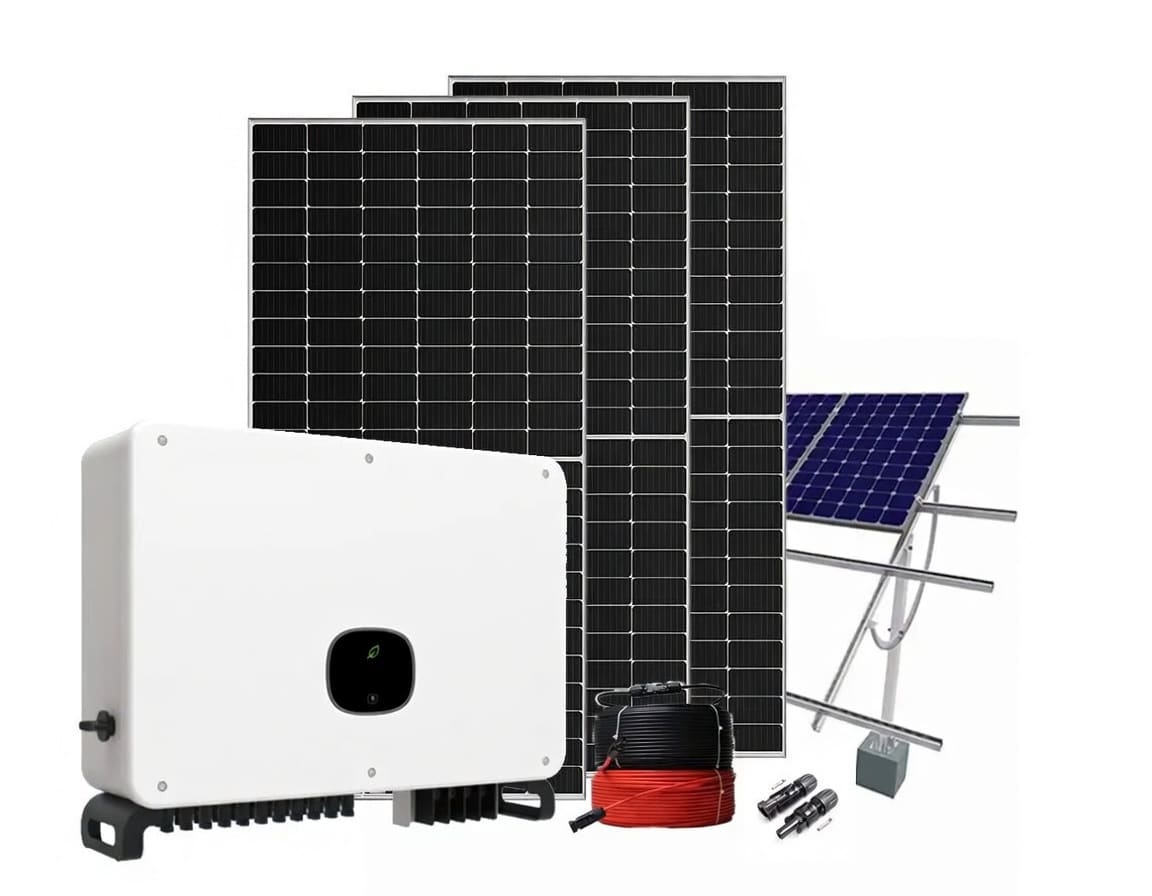
If the process of selecting individual components seems daunting, we recommend looking into pre-designed solar packages. These packages bundle the inverter, compatible batteries, solar panels, and installation accessories into one cohesive system. This ensures that all components work together seamlessly.
You can browse our carefully curated solar packages designed to fit various load requirements and budgets. From basic power backup to complete off-grid solutions, we have a package that is right for you.
Frequently Asked Questions (FAQs)
What is the difference between an inverter and a UPS?
A Uninterruptible Power Supply (UPS) is designed to provide immediate, short-term backup power (usually a few minutes) to allow you to save your work and safely shut down a computer during a power outage. An inverter is designed to provide long-term backup power for hours or even days, depending on the battery bank size.
Can an inverter run an air conditioner?
Yes, absolutely. However, you need an inverter with a sufficient capacity (typically 3kVA or higher, depending on the AC size) and a robust battery bank. Inverter ACs are highly recommended as they consume significantly less power and do not have the high starting surge of traditional ACs.
How long does a solar inverter last?
A high-quality pure sine wave or hybrid solar inverter can last anywhere from 10 to 15 years, provided it is installed correctly, not consistently overloaded, and kept in a cool, dry, well-ventilated environment.
Do I need solar panels to use an inverter?
No, you do not immediately need solar panels. An inverter can function purely as a power backup system, charging its batteries from the national grid or a generator when power is available, and then supplying that stored power during an outage. However, adding solar panels turns it into a true solar power system, reducing your reliance on the grid.
Which is better: Tubular batteries or Lithium-ion batteries?
Lithium-ion batteries are vastly superior. They have a longer lifespan (often 10+ years), can be discharged more deeply without damage, charge faster, and require zero maintenance. Tubular batteries are much cheaper upfront but require regular maintenance (topping up with distilled water) and need to be replaced more frequently.
Get Your Solar Inverter Today!
Are you ready to say goodbye to power outages and expensive generator fuel? Let us help you design and install the perfect power backup system for your needs.
Contact Rayspark Solar today to secure the best solar inverter prices in Nigeria and enjoy professional, hassle-free installation. Call/WhatsApp: +234 706 482 6896.