.jpg&w=3840&q=75)
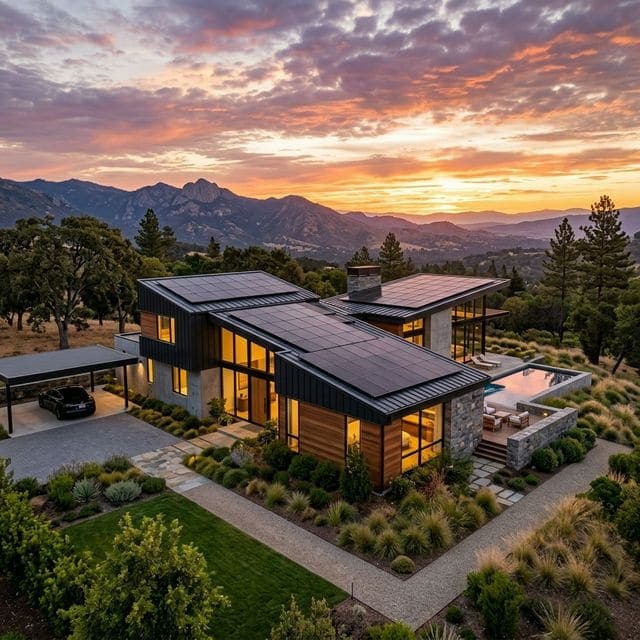
Solar for everyone: Pay Small Small
Don't let the cost stop you. Get this system installed today and pay in easy monthly installments over 6-24 months.
View Financing PlansAs your sure plug for reliable solar product supplier and installation, we at Rayspark Solar provides top-tier products to meet everyone's budget and exact needs. Call/WhatsApp: +234 706 482 6896
A solar system for offices generally costs between ₦2,500,000 and ₦15,000,000 depending on the size of the office, the number of appliances, and the power requirement of the equipment used. It provides a reliable and cost-effective alternative to grid power or diesel generators, ensuring uninterrupted workflow and reduced operational costs.


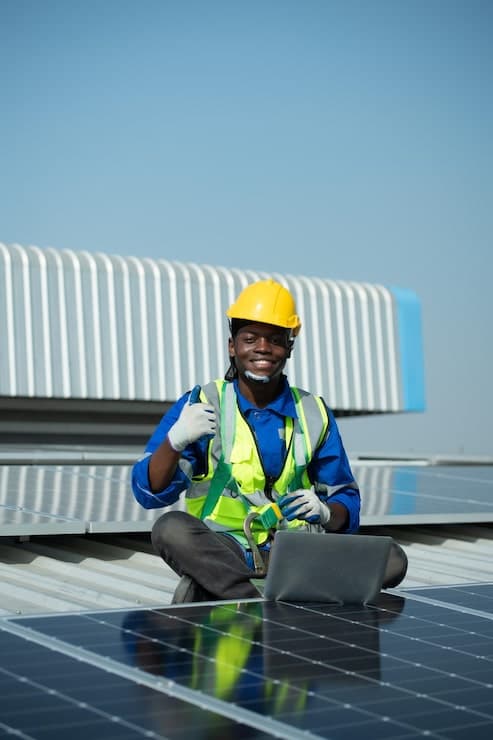
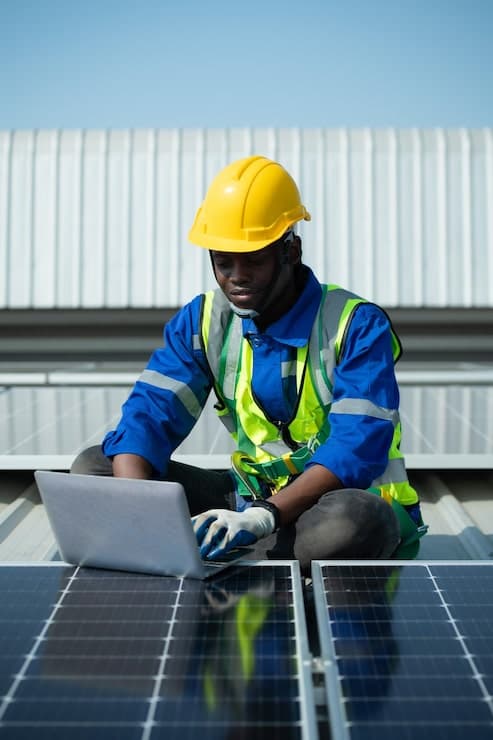
Our Team
Why Your Business Needs a Solar System for Offices
Power interruptions can severely impact business operations, leading to lost revenue, decreased productivity, and equipment damage. A dedicated solar system for offices mitigates these risks by providing a steady and clean energy supply. Whether you are running a small startup, a medium-sized enterprise, or a large corporate headquarters, integrating solar power into your infrastructure is a strategic business decision.
The reliance on diesel generators has long been the norm, but with rising fuel costs, constant maintenance, and the hassle of fuel procurement, generators are no longer the most economical choice. A solar system for offices not only eliminates the need for daily fuel purchases but also creates a quieter and healthier work environment free from harmful emissions and noise pollution. By switching to renewable energy, you also protect your sensitive electronic equipment from power surges and voltage fluctuations common with grid power.
Key Components of a Solar System for Offices
Understanding the components of a solar system will help you make an informed purchasing decision and understand how the entire setup operates to power your business.
Solar Panels
The solar panels are responsible for capturing sunlight and converting it into direct current electricity. For commercial setups, high-efficiency monocrystalline panels are strongly recommended. They are designed to maximize energy generation within a limited roof space, ensuring that even on days with partial sunlight, your system generates adequate power.
Solar Inverters
The inverter is the heart of the solar system. It converts the direct current generated by the panels into alternating current, which is the standard electrical format required to run office appliances such as computers, printers, and air conditioners. Hybrid inverters are particularly useful for offices as they can seamlessly switch between solar, battery, and grid power, providing an optimal and uninterrupted power flow.
Energy Storage Batteries
Batteries store excess solar energy generated during the day for use during cloudy periods, evenings, or sudden grid failures. Lithium-ion batteries are the preferred choice for a solar system for offices due to their longer lifespan, deeper depth of discharge, and significantly lower maintenance requirements compared to traditional tubular or lead-acid batteries.
Mounting Structures and Accessories
Durable mounting racks secure the panels to the roof or ground, ensuring they withstand harsh weather conditions. Additionally, charge controllers, surge protectors, breakers, and high-quality cabling are necessary accessories that ensure the system operates safely, efficiently, and complies with standard electrical safety codes.
Factors Determining the Price of Your Installation
The cost of installing a solar system for offices varies widely based on several specific factors:
Office Size and Energy Demand
A small office running a few laptops, lighting, and a single air conditioner will require a smaller system, typically ranging from 3kVA to 5kVA. In contrast, a large corporate office with central air conditioning, heavy-duty servers, elevators, and multiple workstations will necessitate a robust system, often exceeding 15kVA, 20kVA, or even 50kVA.
Battery Capacity
The desired backup time significantly impacts the total cost. If your office requires power during extended grid outages or operates overnight shifts, a larger battery bank is essential. Increasing the storage capacity increases the initial investment but guarantees operations remain smooth during extended power cuts.
Quality of Components
Investing in premium, tier-one solar panels and smart lithium-ion batteries will cost more upfront but will offer better overall performance, much longer warranties, and lower replacement costs over the lifespan of the system.
Pros and Cons of a Solar System for Offices
Before making an investment, it is helpful to weigh the advantages and potential drawbacks of switching your office to solar power.
Pros
- Significant Cost Savings: Drastically reduces or completely eliminates monthly electricity bills and the exorbitant costs associated with purchasing diesel or petrol for generators.
- Uninterrupted Operations: Provides continuous power supply, preventing downtime, communication drops, and data loss during unexpected grid failures.
- Low Maintenance: Solar systems require very minimal maintenance compared to mechanical generators. Routine cleaning of panels and periodic electrical checks are usually sufficient.
- Environmental Sustainability: Reduces the carbon footprint of your business, aligning with global green energy initiatives and boosting your corporate social responsibility profile.
- Noise Reduction: Operates entirely silently, creating a more focused, productive, and professional work environment compared to noisy generators.
Cons
- High Initial Investment: The upfront cost of purchasing and installing a commercial-grade solar system can be quite substantial for some businesses.
- Space Requirements: Solar panels require adequate and unshaded roof or ground space for optimal performance. Offices in high-rise buildings without roof access might find this challenging.
- Weather Dependency: Power generation is naturally reduced during heavy rains or prolonged cloudy periods, making adequate battery storage a crucial requirement.
Choosing the Right Size for Your Office
Selecting the appropriate system size requires a highly detailed energy audit. You must calculate the total wattage of all appliances that need to run simultaneously and determine the precise number of hours they will operate each day.
For example, a typical 5kVA system can support basic office equipment, including LED lighting, standing fans, 5 to 10 laptops, and a small desktop printer. However, if you intend to power heavy appliances like industrial printing machines, large server racks, or multiple air conditioning units simultaneously, you will need to scale up considerably to a 10kVA, 20kVA, or even higher capacity system. Consulting with a professional installer like Rayspark Solar is vital to ensure you get a system tailored precisely to your specific energy profile.
Return on Investment (ROI) for Office Solar
Many businesses are initially hesitant due to the upfront costs, but the Return on Investment for a commercial solar setup is highly favorable. When you calculate the cumulative costs of grid electricity bills, diesel fuel, generator servicing, and parts replacement over a 3 to 5 year period, it often exceeds the initial cost of a premium solar system. In most commercial scenarios, businesses recover their investment within 2 to 4 years, after which they enjoy virtually free electricity for decades.
Frequently Asked Questions
How long does a solar system for offices last?
High-quality solar panels typically come with a 25-year performance warranty. Premium lithium-ion batteries can last between 10 to 15 years, while high-end inverters may need replacement or servicing after 5 to 10 years depending on usage and maintenance.
Can a solar system run office air conditioners?
Yes, a properly sized solar system can comfortably run multiple air conditioners. However, it requires a larger inverter capacity and a substantial battery bank to handle the high starting surge and continuous power draw of the AC compressors.
Do solar panels require a lot of maintenance?
No, solar panels require very little maintenance. Simply washing them with clean water every few months to remove accumulated dust, bird droppings, and debris is usually enough to maintain optimal efficiency.
How soon can the installation be completed?
The installation timeline heavily depends on the system's size and complexity. Most small to medium office installations can be completed within two to three days by our professional technical team, with minimal disruption to your daily workflow.
Is my office roof suitable for solar panels?
Most office roofs, whether flat concrete, corrugated iron, or aluminum, are suitable. Our team will conduct a site inspection to determine the structural integrity and the optimal angle for panel placement to maximize sunlight exposure.
Contact Us Today
Investing in a reliable power solution is critical for the success, growth, and efficiency of your business. Do not let unpredictable power outages dictate your productivity or inflate your operational expenses.
Ready to upgrade your workspace with a customized, high-performance solar solution? Contact Rayspark Solar today for a comprehensive energy audit, expert advice, and a competitive quote.
Call/WhatsApp: +234 706 482 6896 to buy from the Rayspark Solar store.