.jpg&w=3840&q=75)
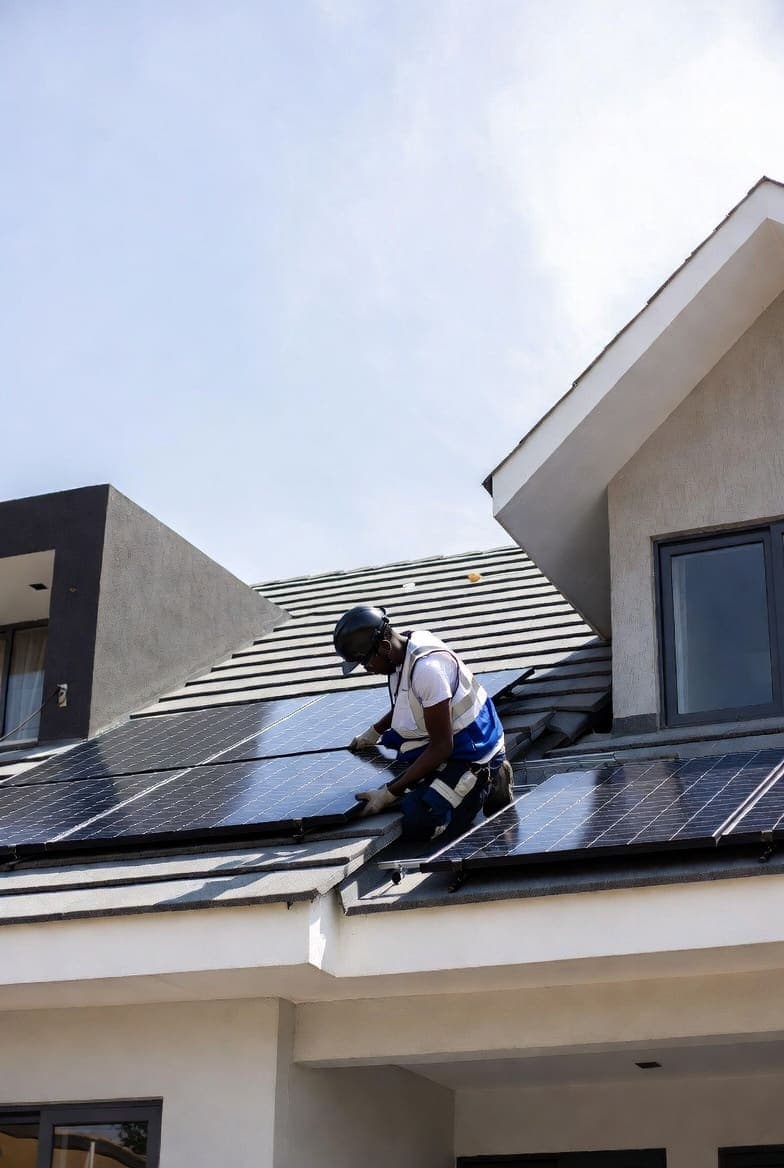
Solar for everyone: Pay Small Small
Don't let the cost stop you. Get this system installed today and pay in easy monthly installments over 6-24 months.
View Financing PlansAs your sure plug for reliable solar product supplier and installation, we at Rayspark Solar provides top-tier products to meet everyone's budget and exact needs. Call/WhatsApp: +234 706 482 6896
The cost of a solar system in Nigeria typically ranges from ₦500,000 for basic setups powering essential electronics, up to ₦10,000,000 or more for comprehensive systems designed to run high-energy appliances like air conditioners and heavy machinery. The exact price depends on the inverter capacity, battery type, number of solar panels, and installation complexity.


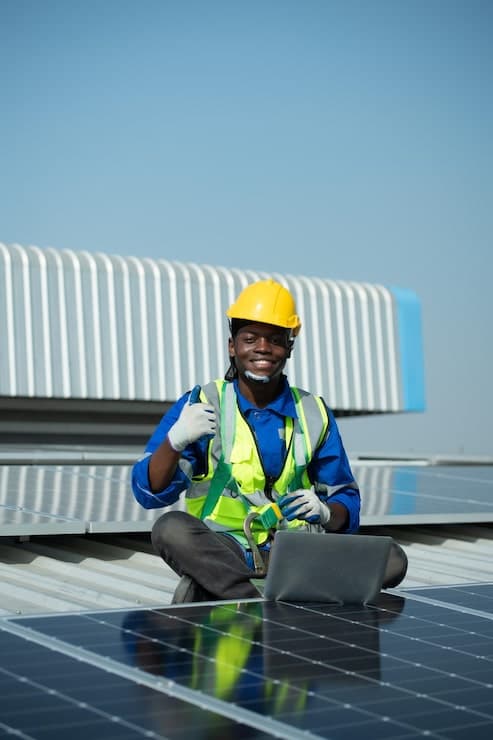
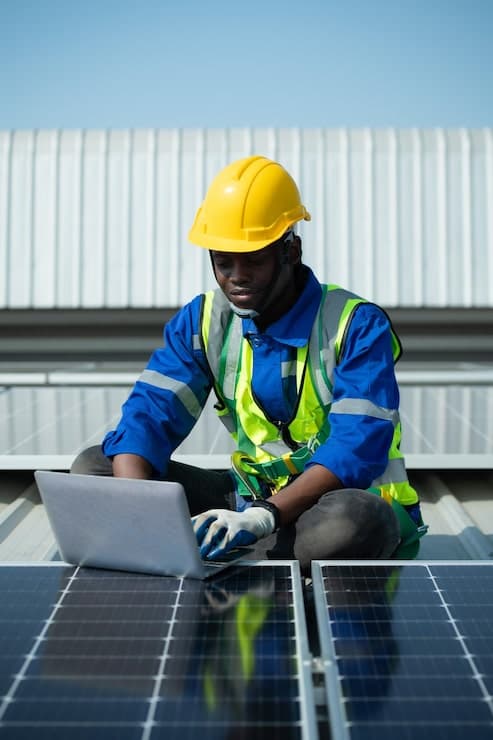
Our Team
Understanding Solar System Components
When evaluating solar system prices in Nigeria, it is crucial to understand the individual components that make up the entire setup. Each part plays a vital role in harvesting, storing, and converting solar energy into usable electricity for your home or business.
Solar Panels
The solar panels are the most visible part of the system. They capture sunlight and convert it into direct current (DC) electricity. The cost of panels usually depends on their wattage and type, such as monocrystalline or polycrystalline. Monocrystalline panels are generally more efficient and slightly more expensive.
Inverters
An inverter is the heart of the solar power system. It converts the DC electricity generated by the panels or stored in the batteries into alternating current (AC) electricity, which is what standard household appliances use. Inverters range from small 1kVA units to large 10kVA or 20kVA industrial sizes.
Solar Batteries
Batteries store the energy generated during the day for use at night or during cloudy weather. There are two main types of batteries used in Nigeria:
- Lead-Acid Batteries: These are more affordable but have a shorter lifespan and require more maintenance.
- Lithium-Ion Batteries: These are more expensive upfront but offer a longer lifespan, deeper discharge cycles, and require zero maintenance.
Charge Controllers
The charge controller regulates the voltage and current coming from the solar panels to the batteries. It prevents the batteries from overcharging, which can reduce their lifespan or cause damage.
Factors Influencing Solar System Prices in Nigeria
Several variables dictate the final quotation you will receive for a solar system installation. Understanding these factors can help you make an informed decision and choose a system that fits your budget and power requirements.
Power Requirements
The total wattage of the appliances you intend to run simultaneously will determine the size of the inverter and the number of batteries you need. A home running only lights, fans, and a television will require a significantly smaller and cheaper system than a facility running multiple air conditioners, deep freezers, and water pumps.
Battery Technology
As mentioned earlier, opting for lithium-ion batteries will increase the initial cost of the solar system compared to lead-acid batteries. However, because lithium batteries last much longer, they often prove to be more cost-effective over a five to ten-year period.
Quality of Materials
The brand and quality of the components significantly impact the price. Premium brands with proven track records and comprehensive warranties will cost more than lesser-known, budget-friendly alternatives. At Rayspark Solar, we prioritize high-quality, durable components that guarantee long-term performance.
Installation Complexity
The structure of your roof, the distance between the roof and the battery bank, and the existing electrical wiring in your building can all affect the installation cost. Complex installations that require custom mounting structures or extensive rewiring will add to the overall price.
Typical Solar System Packages and Estimated Prices
To give you a clearer picture, here is a breakdown of standard solar system sizes and their estimated market prices in Nigeria. Please note that these are estimates and prices may fluctuate based on exchange rates and component availability.
Basic Setup (1kVA to 1.5kVA)
This setup is ideal for small apartments or shops. It can comfortably power LED lights, fans, a television, and charge laptops and phones.
- Estimated Price Range: ₦500,000 to ₦800,000
- Pros: Highly affordable, easy to install, perfect for basic needs.
- Cons: Cannot power heavy appliances like irons, refrigerators, or air conditioners.
Standard Setup (2.5kVA to 3.5kVA)
This is the most common package for average Nigerian homes. It can power lights, fans, televisions, home theater systems, a refrigerator, and a small pumping machine.
- Estimated Price Range: ₦1,200,000 to ₦2,500,000
- Pros: Balances cost with substantial power delivery, supports essential household appliances.
- Cons: Still limited when it comes to multiple high-wattage appliances running concurrently.
Premium Setup (5kVA to 7.5kVA)
Designed for large homes and medium-sized offices. This robust system can support all standard appliances plus one or two air conditioners, a deep freezer, and water pumps.
- Estimated Price Range: ₦3,000,000 to ₦5,500,000
- Pros: High capacity, reliable performance for heavy usage.
- Cons: Requires a significant upfront investment.
Industrial Setup (10kVA and Above)
These systems are built for large establishments, factories, or luxury homes with extensive power needs. They can handle multiple air conditioners, industrial machinery, and complex electrical loads.
- Estimated Price Range: ₦7,000,000 to ₦15,000,000+
- Pros: Complete energy independence, handles almost any electrical load.
- Cons: Very high initial cost and requires significant space for solar panels and batteries.
Pros and Cons of Investing in a Solar System
Before making a purchase, it is helpful to weigh the advantages and disadvantages of switching to solar energy.
Pros
- Constant Power Supply: Enjoy uninterrupted electricity regardless of the national grid's performance.
- Reduced Running Costs: Eliminate the daily expense of purchasing petrol or diesel for a generator.
- Silent Operation: Unlike generators, solar systems operate silently, providing a peaceful environment.
- Environmentally Friendly: Solar energy is clean and green, reducing your carbon footprint.
- Low Maintenance: Once installed, high-quality solar systems require very little maintenance.
Cons
- High Initial Cost: The upfront investment can be substantial.
- Space Requirements: You need adequate roof space for panels and a secure area for batteries.
- Weather Dependent: Energy generation drops during rainy or heavily overcast days, though batteries compensate for this.
Frequently Asked Questions (FAQs)
How long do solar batteries last?
Tubular lead-acid batteries typically last between 2 to 4 years depending on usage. Lithium-ion batteries, on the other hand, can last between 5 to 10 years or more.
Can a solar system power my air conditioner?
Yes, a solar system can power an air conditioner, but you will need a higher capacity setup (typically 3kVA and above) and a sufficient battery bank. Inverter air conditioners are highly recommended as they consume less starting power.
Do solar panels require maintenance?
Solar panels require minimal maintenance. Occasional cleaning to remove dust and bird droppings ensures they operate at maximum efficiency. Rainfall often helps keep them clean naturally.
Is it possible to upgrade my solar system later?
Absolutely. You can start with a smaller system and add more panels and batteries later as your power needs increase or your budget allows.
Get Started with Rayspark Solar
Investing in a solar system is a smart decision that pays off through continuous power and savings on fuel costs. When you are ready to make the switch, ensure you work with professionals who understand the technicalities of solar installations.
Take the next step towards reliable, uninterrupted electricity today. For expert advice, customized quotations, and professional installation services, reach out to us immediately.
Call or WhatsApp Rayspark Solar at +234 706 482 6896 to get the best solar system for your budget!